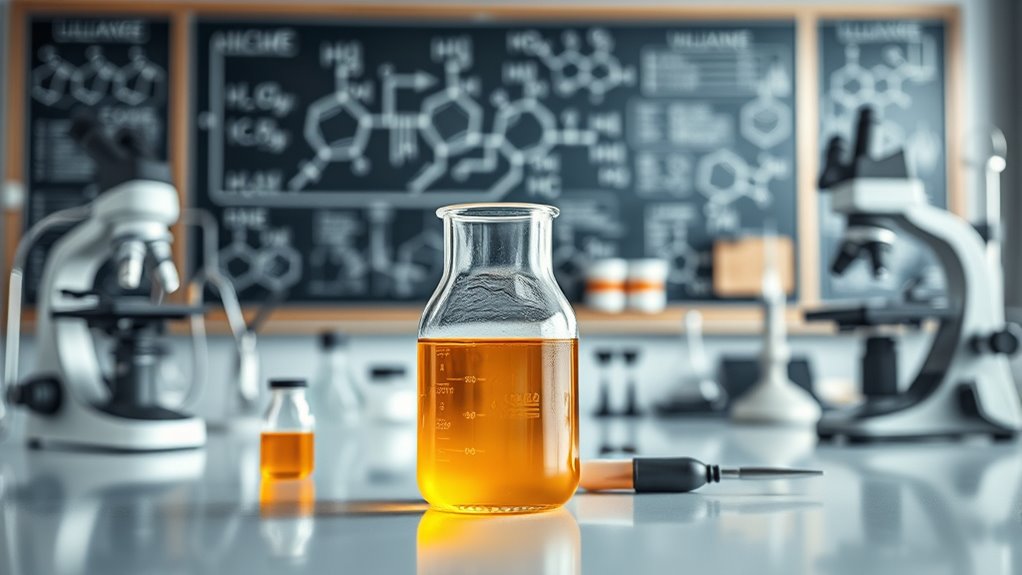

Silicone chemistry has evolved remarkably, transforming industries from wartime innovations to modern medtech. You can see how its unique properties—like stability, flexibility, and resistance—have enabled breakthroughs in medical devices, implants, and electronics. Its versatility drives advancements in biocompatible and durable materials that support life-saving technologies today. If you want to understand how this material continues to push boundaries, there’s much more to discover about its incredible journey.
Key Takeaways
- Silicone chemistry evolved during WWII for industrial and military uses, driven by its durability and temperature resistance.
- Post-war advancements led to the development of biocompatible silicones, revolutionizing medical devices and implants.
- Silicone’s unique properties enabled its widespread adoption in biomedical applications like prosthetics, sealants, and drug delivery systems.
- Ongoing innovations in silicone formulations enhanced performance, facilitating modern MedTech innovations such as wearable sensors.
- The integration of silicone materials continues to transform healthcare, electronics, and industrial sectors, underpinning modern technological advancements.
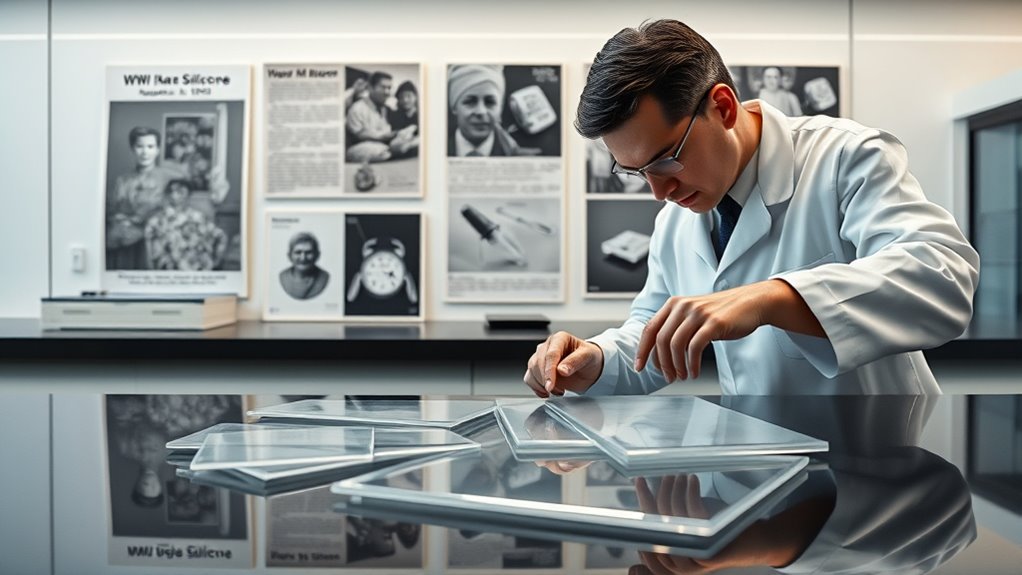
Have you ever wondered what makes silicones so versatile and widely used in industries ranging from healthcare to electronics? It all comes down to their unique chemical structure and adaptable properties. Silicone chemistry has evolved markedly since its early days, enabling innovations across various sectors like biomedical applications and industrial manufacturing. These materials are known for their stability, flexibility, and resistance to extreme temperatures, making them ideal for numerous uses.
In biomedical applications, silicones stand out because they are biocompatible, meaning they don’t cause adverse reactions when in contact with living tissue. This property allows you to find silicones in medical devices like implants, catheters, and sealants. Silicone’s inert nature ensures safety and longevity, which are critical in healthcare settings. Their flexibility and durability make them suitable for prosthetics, drug delivery systems, and even wearable medical sensors. Because silicones can be sterilized repeatedly without degrading, they’re trusted for long-term use in medical environments. As a result, silicone-based materials have become integral to modern medicine, improving patient outcomes and expanding possibilities for treatment.
Meanwhile, in industrial manufacturing, silicones have revolutionized production lines. Their resistance to chemicals, UV radiation, and extreme temperatures means you can incorporate them into sealing, gasketing, and insulating applications with confidence. Silicone’s versatility allows manufacturers to create components that withstand harsh environments, extending product lifespan and reducing maintenance costs. From automotive to electronics industries, silicones are used to seal electronic components, insulate wiring, and prevent moisture ingress. Their ease of processing and ability to form custom shapes make them invaluable for designing complex parts quickly and efficiently. Additionally, recent advancements in silicone formulation continue to expand their applications and performance capabilities.
The chemical stability of silicones also plays a key role in these applications. You can mold or extrude them into precise shapes, ensuring tight seals and reliable performance. Their low surface tension helps in creating smooth, non-stick coatings, which are crucial in many manufacturing processes. As technology advances, silicones continue to evolve, pushing the boundaries of what’s possible in both biomedical and industrial sectors. Their durable, adaptable nature means they’re not just a passing trend but a fundamental material in modern science and industry.
In essence, the rise of silicone chemistry has transformed how industries operate. From protecting electronic devices to supporting life-saving medical devices, silicones offer a combination of properties that are hard to match. As research progresses, you’ll likely see even more innovative uses for these remarkable materials, further cementing their role as a cornerstone of modern technology.
As an affiliate, we earn on qualifying purchases.
Frequently Asked Questions
How Sustainable Is Silicone Production for the Environment?
Silicone production has moderate environmental impact due to resource sustainability concerns. While it’s durable and long-lasting, extracting raw materials like silica can strain resources. The process also releases some greenhouse gases. However, advancements are improving sustainability through recycling initiatives and greener manufacturing methods. You can help reduce environmental impact by supporting companies that prioritize eco-friendly practices and choosing silicone products with lower carbon footprints, making your choices more sustainable.
What Are the Latest Innovations in Silicone-Based Drug Delivery?
Imagine a highway delivering medicine directly to where it’s needed most. Silicone nanocarriers now enable targeted drug release, improving treatment precision. Recent innovations focus on customizing these carriers to enhance stability and control over drug release rates. You benefit from fewer side effects and more effective therapies, as these cutting-edge silicone-based systems optimize delivery pathways, making treatments safer and more efficient.
Can Silicone Materials Be Fully Biodegradable?
Silicone materials generally aren’t fully biodegradable, which raises concerns about environmental impact. You should know that recycling challenges make it difficult to break down silicones naturally. While researchers are exploring eco-friendly alternatives, current silicones tend to persist in the environment, contributing to pollution. If you’re considering silicone use, look for options with better recyclability or biodegradable properties to reduce environmental harm and address these recycling challenges.
How Does Silicone Chemistry Impact Biomedical Device Longevity?
Silicone chemistry markedly impacts biomedical device longevity by enhancing biocompatibility and resisting silicone degradation. You should guarantee thorough biocompatibility testing to confirm the material’s safety over time. Silicone’s stable chemical structure minimizes degradation, which helps extend device lifespan. However, environmental factors can still affect its durability. By understanding these interactions, you can improve device performance, ultimately ensuring longer-lasting, safer biomedical implants and equipment.
Are There Any Health Risks Associated With Long-Term Silicone Exposure?
You might worry about health risks from long-term silicone exposure, but current research shows silicone’s long-term biocompatibility makes it safe for most people. While silicone allergenicity is rare, some individuals may develop sensitivities over time. Overall, extensive studies suggest that silicone materials used in medical devices pose minimal health risks, making them a reliable choice for long-term implants and products.
Conclusion
So, here’s the truth: silicone’s journey from wartime wonder to medical marvel proves that even the most mundane materials can become industry heroes—if you slap a shiny label on them. Next time you’re marveling at your high-tech gadgets or medical devices, remember, it’s probably silicone quietly doing all the heavy lifting. Who knew that a simple polymer would turn into humanity’s secret weapon—because apparently, we can’t get enough of shiny, versatile, life-saving goo.