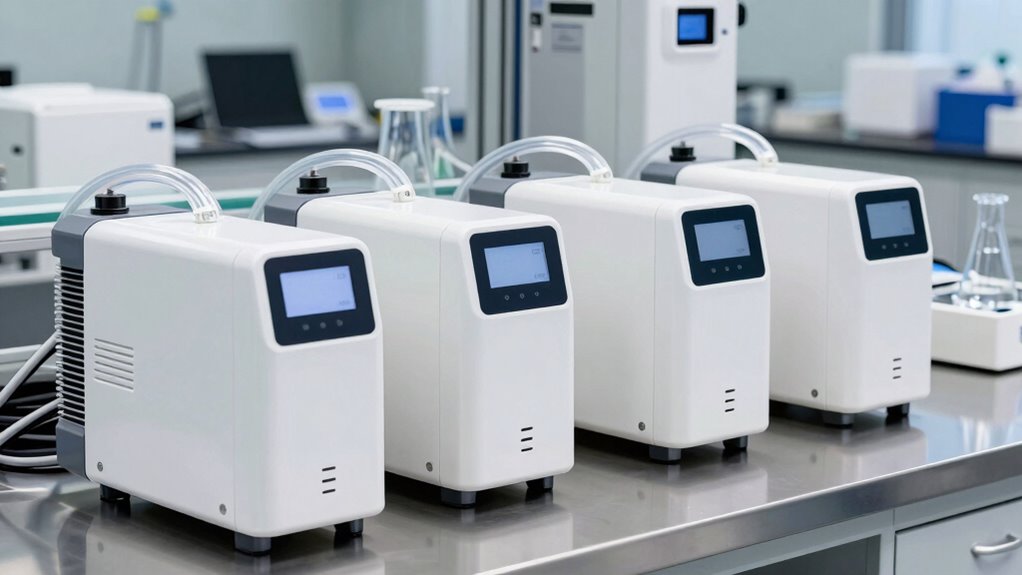

Oil-free vacuum pumps are becoming everywhere because they help you keep environments clean, reduce maintenance costs, and promote sustainability—critical factors for labs today. They eliminate oil leaks and spills, making them ideal for contamination-sensitive processes. Plus, their durability and low upkeep save you time and money. As industries prioritize safety and greener practices, these pumps offer a smarter way forward. Discover more about what’s driving this shift and how it impacts your work.

Prime made for students and young adults
- Fast, free delivery for dorm and study essentials
- Prime Video and Amazon Music included
- Member-only deals
Key Takeaways
- Increasing environmental regulations and contamination concerns drive demand for oil-free vacuum pumps in sensitive labs.
- Technological improvements have made oil-free pumps more reliable, cost-effective, and comparable to traditional systems.
- Labs prioritize contamination prevention, making oil-free pumps essential for maintaining product safety and quality.
- Lower maintenance and operational costs of oil-free pumps appeal to labs seeking efficiency and sustainability.
- Growing industry awareness and standards are accelerating adoption of oil-free vacuum solutions across various research and production settings.
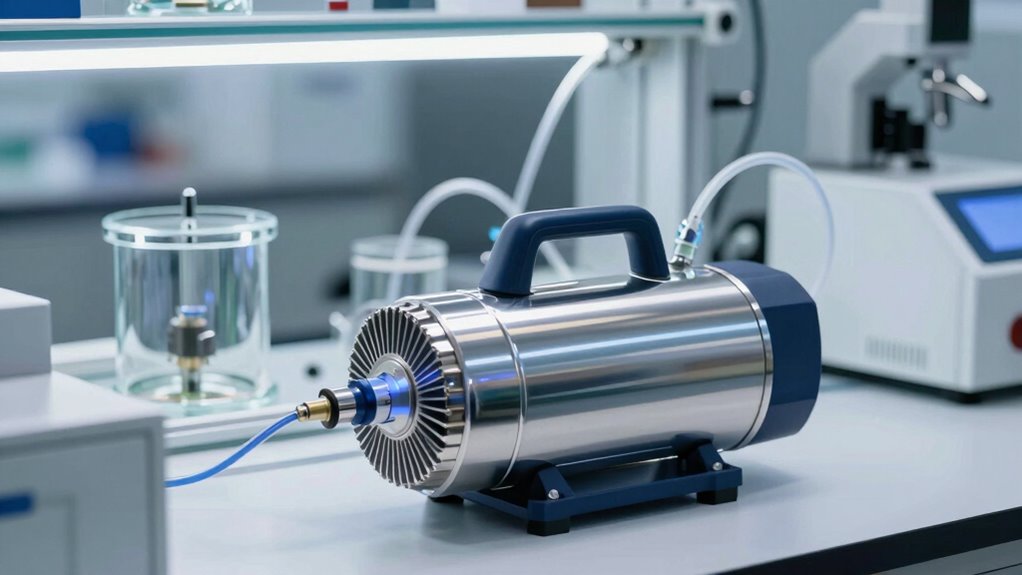
Oil-free vacuum pumps are essential tools in industries where contamination must be minimized, such as food processing, pharmaceuticals, and electronics manufacturing. When you choose these pumps, you eliminate the risk of oil leaks contaminating your products or environment, which is critical for maintaining quality and safety standards. One of the main advantages of oil-free pumps is their low maintenance costs. Unlike oil-lubricated systems that require regular oil changes, filters, and potential repairs due to oil degradation, oil-free models operate without oil, reducing downtime and ongoing expenses. This reliability means you spend less time troubleshooting and more time focusing on your core operations, making them especially appealing for labs and production lines aiming for efficiency.
Beyond cost savings, oil-free vacuum pumps also offer a significant environmental benefit. Since they don’t use oil, there’s no risk of oil spills or disposal issues that can harm ecosystems. This aligns well with increasing regulatory pressures and corporate sustainability goals. By reducing the environmental impact, you’re not only protecting your workplace but also demonstrating responsible practices to clients, regulators, and the community. Many industries are shifting toward greener solutions, and oil-free pumps fit seamlessly into these initiatives, helping you meet stricter environmental standards without sacrificing performance.
You’ll notice that the growing popularity of oil-free vacuum pumps is driven by these combined advantages. As regulations tighten and the demand for contamination-free processes increases, labs and manufacturing facilities are adopting these systems more rapidly. The lower maintenance costs mean you can allocate resources more efficiently, and the environmental benefits support a cleaner, safer operation. This shift also reflects technological advancements that have made oil-free pumps more durable, reliable, and cost-effective than ever before. They now deliver the same high performance as traditional pumps but with fewer concerns about oil-related issues. Advancements in technology have made these pumps more accessible and reliable than ever, encouraging wider adoption across various industries.
oil-free vacuum pump for laboratories
As an affiliate, we earn on qualifying purchases.
As an affiliate, we earn on qualifying purchases.
Frequently Asked Questions
How Do Oil-Free Pumps Compare in Cost to Traditional Vacuum Pumps?
Oil-free vacuum pumps typically have a higher initial investment compared to traditional oil-based pumps, but their cost comparison over time favors oil-free models. You save on maintenance and oil replacement, which reduces ongoing expenses. While the upfront cost may seem steeper, the long-term savings and reliability often make oil-free pumps a smarter choice for your lab’s budget and operational efficiency.
What Maintenance Is Required for Oil-Free Vacuum Pumps?
Think of your oil-free vacuum pump as a well-tuned instrument—requiring only a few simple tune-ups. You’ll need to regularly inspect filters and replace them when dirty, ensuring peak performance. Unlike traditional pumps, lubricant replacement isn’t necessary. Keep an eye out for unusual noises or leaks, and clean the pump exterior periodically. With minimal maintenance, your oil-free pump stays reliable, efficient, and ready for any lab task.
Are Oil-Free Vacuum Pumps Suitable for High-Vacuum Applications?
Yes, oil-free vacuum pumps are suitable for high-vacuum applications because they offer excellent corrosion resistance, making them ideal for sensitive environments. They also operate with lower noise levels, which helps maintain a quiet lab setting. Their design eliminates oil contamination risks, ensuring purity and reliability. If your applications demand high vacuum levels with minimal maintenance and environmental impact, oil-free pumps are a smart, efficient choice.
How Do Oil-Free Pumps Impact Laboratory Safety Standards?
Oil-free pumps enhance laboratory safety standards by reducing contamination risks, making your environment safer and cleaner. They eliminate the need for oil lubrication, preventing oil leaks and airborne particles that could compromise safety or sample integrity. This simplifies safety compliance, as you don’t have to manage oil disposal or worry about oil-related hazards. Overall, oil-free vacuum pumps support a safer, more hygienic lab setting, helping you meet strict safety protocols effortlessly.
Can Oil-Free Vacuum Pumps Handle Corrosive or Aggressive Gases?
Yes, oil-free vacuum pumps can handle corrosive or aggressive gases if their pump materials are compatible. You need to choose pumps with corrosion-resistant components like PTFE or stainless steel to withstand corrosive gases. Be sure to verify pump material compatibility before use, as incompatible materials can degrade quickly, risking contamination or failure. Proper selection guarantees safe, efficient operation when working with aggressive gases.
Conclusion
Oil-free vacuum pumps are transforming labs by offering cleaner, quieter, and more reliable performance. They eliminate oil contamination, reduce maintenance, and improve safety—all while boosting efficiency. As you adopt these pumps, you gain not just better results, but also peace of mind, lower costs, and a smaller environmental footprint. Embrace the change, enjoy the benefits, and stay ahead in your research. With oil-free pumps, you’re stepping into a cleaner, smarter, more sustainable future.
Fall Picks
fall essentials
As an affiliate, we earn on qualifying purchases.