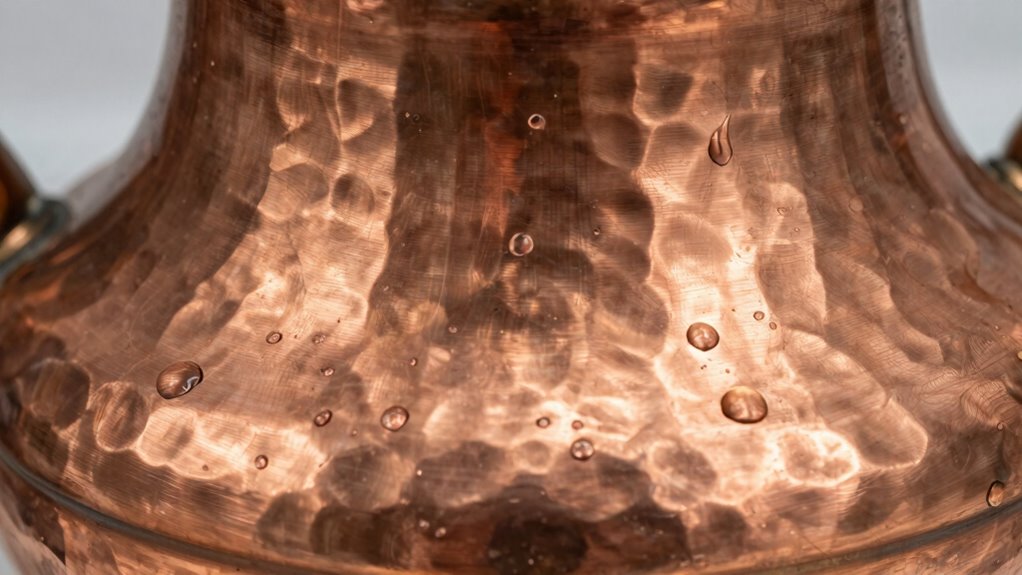

Copper surfaces don’t kill germs instantly. While copper releases ions that disrupt the cellular functions of bacteria and viruses, it takes minutes to hours for microbes to be completely inactivated. The effectiveness depends on the type of microorganism and how long it stays in contact with the surface. Rushing or wiping surfaces quickly won’t eliminate germs effectively. To understand how to best use copper for hygiene, keep exploring these important details.

Prime made for students and young adults
- Fast, free delivery for dorm and study essentials
- Prime Video and Amazon Music included
- Member-only deals
Key Takeaways
- Copper releases antimicrobial ions over time; it does not kill germs instantly upon contact.
- Effective microbial inactivation requires sufficient exposure time, often minutes to hours.
- Immediate sterilization from brief contact with copper surfaces is a misconception.
- Proper cleaning and adequate contact duration are essential for copper’s antimicrobial benefits.
- Copper’s durability and sustained antimicrobial action depend on regular maintenance, not instant germ elimination.
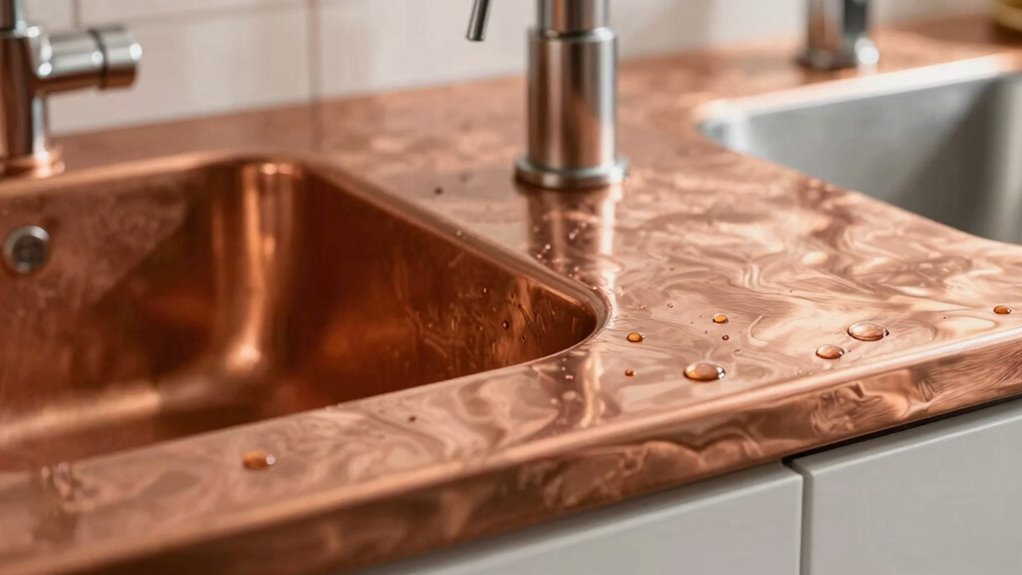
Many people believe that copper surfaces instantly eliminate germs, but this is a misconception. While copper does possess antimicrobial properties, these don’t mean that germs vanish the moment they come into contact with the metal. Instead, copper works over time by continuously releasing ions that interfere with the cellular functions of bacteria and viruses, eventually killing or inactivating them. This process isn’t instantaneous; it can take anywhere from a few minutes to several hours, depending on the type of microorganism and environmental conditions. So, expecting immediate sterilization upon contact is unrealistic and can lead to dangerous assumptions about safety and cleanliness.
Copper’s antimicrobial properties are often highlighted as a natural solution to reduce microbial presence, but they shouldn’t be mistaken for a quick fix. It’s important to understand that the effectiveness of copper surfaces depends on how long germs are exposed to the metal. If you wipe a copper surface with a cloth, you might remove visible dirt, but the microbes that remain could still be alive if they haven’t been exposed long enough to the antimicrobial action. This highlights the need for thorough cleaning practices combined with the use of copper, rather than relying solely on the material to do all the work. Additionally, exposure duration plays a critical role in the antimicrobial effectiveness of copper surfaces, emphasizing the importance of proper contact time. Regular cleaning practices help maintain optimal antimicrobial effectiveness and reduce the risk of microbial survival. Moreover, understanding the mechanism of action behind copper’s antimicrobial properties can help in designing better hygiene protocols.
Another key factor you should consider is the surface durability of copper. Copper is known for its robustness, making it suitable for high-touch areas like door handles, railings, and countertops. Its surface durability ensures that it withstands frequent use without deteriorating quickly, maintaining its antimicrobial properties over time. This longevity means you won’t need to replace copper fixtures as often as other materials, which can be both cost-effective and practical. However, the durability also means that the surface can develop a patina or tarnish over time, which doesn’t affect its antimicrobial ability but can change its appearance. Regular maintenance and cleaning are essential to keep copper surfaces looking good and functioning effectively. Additionally, proper cleaning practices are vital to preserve both its appearance and antimicrobial features.
As an affiliate, we earn on qualifying purchases.
Frequently Asked Questions
How Long Does It Take for Copper to Kill Bacteria?
You might think copper kills bacteria instantly, but it actually takes time. Depending on factors like copper oxidation and surface durability, bacteria can be killed within a few hours—often around two to four hours. Copper’s ability to produce antimicrobial ions improves as it oxidizes, enhancing its effectiveness. So, while copper isn’t instant, its antimicrobial properties develop over time, making it a durable, long-lasting surface for reducing germs.
Are All Types of Bacteria Affected Equally by Copper?
Not all bacteria react the same way to copper. Some, like certain strains, are quickly killed, while others are more resistant, especially if a copper allergy or surface discoloration occurs. This variation keeps you guessing—are your surfaces truly protective? Copper’s effectiveness isn’t uniform, and factors like surface condition or bacterial type matter. Stay vigilant, because some microbes may survive longer than you expect, challenging the myth of instant germ death.
Can Copper Surfaces Prevent Virus Transmission Effectively?
Copper surfaces can help reduce virus transmission, but they don’t prevent it entirely. Their copper aesthetics make them attractive for interiors, and their antimicrobial properties can kill some viruses over time. However, the environmental impact of copper mining and disposal raises concerns. You should still practice good hygiene and cleaning protocols, as copper alone isn’t a foolproof solution. It’s a helpful addition, but not a substitute for other safety measures.
Do Copper Surfaces Require Special Maintenance or Cleaning?
Think of copper surfaces as delicate gardens that need gentle tending. You don’t need harsh chemicals; instead, stick to simple cleaning protocols like wiping with a damp cloth and mild soap. Regular copper care prevents tarnish and keeps surfaces shining. Avoid abrasive scrubbers that scratch the metal, and dry it thoroughly after cleaning. With consistent, gentle maintenance, your copper surfaces stay beautiful and effective in reducing germs.
Are Copper Surfaces Safe for Everyday Human Contact?
Copper surfaces are generally safe for everyday contact, but you should be aware of potential copper toxicity if ingested in large amounts. While incidental contact isn’t harmful, prolonged exposure or ingestion can cause health issues. Also, consider the environmental impact of copper mining and disposal. To stay safe, clean surfaces regularly and avoid direct contact with copper dust or particles, especially if you have sensitive skin or health concerns.
Conclusion
Remember, copper surfaces don’t kill germs instantly; it takes time. In fact, studies show copper can reduce bacteria by 99% within a few hours, but it’s not an instant sanitizer. So, don’t rely solely on copper for immediate germ elimination—regular cleaning with soap and disinfectants is still essential. Keep in mind, over 80% of infections are transmitted through touch, highlighting the importance of proper hygiene alongside surface materials.
Fall Picks
fall essentials
As an affiliate, we earn on qualifying purchases.