

For students who need a dependable place to record experiments, Student Lab Notebook: Chemistry – 100 Duplicate Sets is my best overall pick because duplicate pages suit classes that need a retained copy of lab work. Yeplan Chemistry Laboratory Notebook offers a straightforward bound format, while The Organic Chem Lab Survival Manual focuses on practical technique rather than recording results. The main choice is between a notebook for documenting assigned labs and a manual that teaches experiments or course content. Page layout, curriculum fit, and whether you need duplicate records matter more than a broad chemistry title. Read on for how all 12 options compare and which student each one suits.

Prime made for students and young adults
- Fast, free delivery for dorm and study essentials
- Prime Video and Amazon Music included
- Member-only deals
Key Takeaways
- Recording and instruction are different jobs: duplicate notebooks such as the 100-set Student Lab Notebook prioritize lab records, while course manuals and experiment books provide procedures or teaching material.
- Duplicate pages are useful when records must be shared or retained: the 100-set and 50-set notebooks offer that format, though students who only need one personal copy may prefer a standard notebook.
- Course alignment can outweigh general coverage: the General Chemistry 1 manual, AP and IB investigations book, and Pearson Edexcel A Level lab book each target a more defined study path.
- Technique books suit students ready for hands-on work: The Organic Chem Lab Survival Manual centers on lab skills, while Illustrated Guide to Home Chemistry Experiments emphasizes at-home experiments.
- Notebook page counts alone do not show course fit: Yeplan’s 105-page format gives a basic record-keeping option, but students should check required sections and instructor rules before buying.
| Student Lab Notebook: Chemistry – 100 Duplicate Sets |  | Best for Shared Lab Records | Subject: Chemistry | Format: Student lab notebook | Duplicate sets: 100 | VIEW LATEST PRICE | See Our Full Breakdown |
| Yeplan Chemistry Laboratory Notebook, 105 Pages, 8.5 × 11 Inches |  | Best for Calculations and Sketches | Brand: Yeplan | Page count: 105 pages | Dimensions: 8.5 × 11 inches | VIEW LATEST PRICE | See Our Full Breakdown |
| General Chemistry 1 Lab Manual and Notebook: 2026–2027 |  | Best for General Chemistry 1 Course Pairing | Subject: General Chemistry 1 | Format: Lab manual and notebook | Academic year: 2026–2027 | VIEW LATEST PRICE | See Our Full Breakdown |
| Chemistry Lab Investigations for AP and IB Students |  | Best for AP and IB Coursework | Subject: Chemistry | Format: Lab investigations book | Intended students: AP and IB students | VIEW LATEST PRICE | See Our Full Breakdown |
| High School Chemistry Lab Manual: 41 Hands-On Experiments for Grades 9–12 |  | Best for Hands-On High School Practice | Subject: Chemistry | Format: High school lab manual | Experiments: 41 hands-on experiments | VIEW LATEST PRICE | See Our Full Breakdown |
| Pearson Edexcel International A Level Chemistry Lab Book |  | Best for International A Level Students | Subject: Chemistry | Course: Pearson Edexcel International A Level Chemistry | Product type: Lab book | VIEW LATEST PRICE | See Our Full Breakdown |
| Addison-Wesley Chemistry Lab Manual | 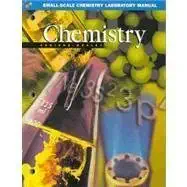 | Best General Lab Manual | Subject: Chemistry | Product type: Lab manual | Publisher: Addison-Wesley | VIEW LATEST PRICE | See Our Full Breakdown |
| The Organic Chem Lab Survival Manual: A Student’s Guide to Techniques |  | Best for Organic Lab Techniques | Subject: Organic chemistry | Product type: Student guide to laboratory techniques | Intended audience: Students | VIEW LATEST PRICE | See Our Full Breakdown |
| Student Lab Notebook: Chemistry, 50 Duplicate Sets |  | Best for Duplicate Lab Records | Subject: Chemistry | Product type: Student laboratory notebook | Format: Duplicate sets | VIEW LATEST PRICE | See Our Full Breakdown |
| Chemistry Laboratory Notebook for Science Students and Researchers |  | Best Compact Bound Notebook | Subject: Chemistry | Intended audience: Science students and researchers | Page count: 101 pages | VIEW LATEST PRICE | See Our Full Breakdown |
| BookFactory Carbonless Chemistry Lab Notebook, 50 Duplicate Sets |  | Best for Shared Lab Records | Brand: BookFactory | Page size: 8.5 x 11 inches | Grid format: 1/4 inch (6 mm) | VIEW LATEST PRICE | See Our Full Breakdown |
| Illustrated Guide to Home Chemistry Experiments: All Lab, No Lecture |  | Best for Independent Home Experiments | ISBN-10 / ASIN: 0596514921 | Format: Illustrated guide | Subject: Home chemistry experiments | VIEW LATEST PRICE | See Our Full Breakdown |
| chemistry lab books for student | Subject | ASIN | Page count | Format |
|---|---|---|---|---|
| Student Lab Notebook: Chemistr | Chemistry | 1533969523 | Not provided | Student lab notebook |
| Yeplan Chemistry Laboratory No | — | — | 105 pages | — |
| General Chemistry 1 Lab Manual | General Chemistry 1 | B0H2Y2C6LZ | Not provided | Lab manual and notebook |
| Chemistry Lab Investigations f | Chemistry | B08T6BTQCV | Not provided | Lab investigations book |
| High School Chemistry Lab Manu | Chemistry | B0G52LR31B | — | High school lab manual |
| Pearson Edexcel International | Chemistry | 1292244712 | Not provided | — |
| Addison-Wesley Chemistry Lab M | Chemistry | 0130548618 | Not provided | — |
| The Organic Chem Lab Survival | Organic chemistry | 1119608554 | Not provided | — |
| Student Lab Notebook: Chemistr | Chemistry | 1533969515 | — | Duplicate sets |
| Chemistry Laboratory Notebook | Chemistry | 1512033669 | 101 pages | — |
| BookFactory Carbonless Chemist | — | — | — | — |
| Illustrated Guide to Home Chem | Home chemistry experiments | — | — | Illustrated guide |
More Details on Our Top Picks
Student Lab Notebook: Chemistry – 100 Duplicate Sets
For students who need a record they can hand in while keeping a copy, the 100 duplicate sets give this notebook a clear role in the roundup. That makes it more suited to documented class experiments than the Yeplan Chemistry Laboratory Notebook, which offers a grid for calculations and sketches but no duplicate sets in the supplied details. The chemistry focus is useful, though the product information does not say whether pages include prompts, safety sections, or space for particular data. I would choose it when duplicate documentation is the main need; students wanting a flexible all-purpose layout have more evidence to work with in Yeplan’s stated 5 × 5 grid. The tradeoff is limited detail about the notebook’s page design and construction.
Pros:- Designed specifically for chemistry lab work
- Includes 100 duplicate sets for keeping a copy of recorded work
- Suited to sharing or submitting experiment records
Cons:- Page layout and included prompts are not specified
- Binding, dimensions, and paper details are not provided
Best for: Chemistry students whose lab course requires duplicate records to submit or share.
Not ideal for: Students who need a specified grid, page count, binding, or structured experiment prompts; those details are not provided.
- Subject:Chemistry
- Format:Student lab notebook
- Duplicate sets:100
- ASIN:1533969523
- Page count:Not provided
- Dimensions:Not provided
Our verdict“Choose this notebook when duplicate chemistry lab records matter more than a documented page layout or construction details.”
Yeplan Chemistry Laboratory Notebook, 105 Pages, 8.5 × 11 Inches
The Yeplan notebook is the clearest choice here for students who move between written observations, calculations, and diagrams: its 5 × 5 grid supports all three on the same page. The described thick paper is intended to resist ink bleed-through, while the flexible cover suits regular handling. Compared with Student Lab Notebook: Chemistry – 100 Duplicate Sets, Yeplan gives more specific layout and paper information, but it does not offer the stated duplicate records. Its 105 pages and full letter-size dimensions provide a defined working area, though students who need a bound-in course manual should look at General Chemistry 1 Lab Manual and Notebook instead. Binding is listed as unknown, and the supplied details do not establish whether its layout matches a particular course’s required format.
Pros:- 5 × 5 grid supports calculations, sketches, and organized notes
- 105 pages provide a defined notebook length
- Thick paper is described as resistant to ink bleed-through
- Flexible cover is designed for daily use
Cons:- Binding type is unknown
- No duplicate sets are specified
- Course-specific prompts or alignment are not provided
Best for: Students who regularly combine data tables, handwritten notes, calculations, and sketches in one lab notebook.
Not ideal for: Students whose instructor requires duplicate pages or a specific manual format; neither is specified for this notebook.
- Brand:Yeplan
- Page count:105 pages
- Dimensions:8.5 × 11 inches
- Ruling:5 × 5 grid (5 squares per inch)
- Binding:Unknown
- Cover:Flexible
- Paper:Thick; described as resistant to ink bleed-through
- Color:Blue
- Unit count:1
Our verdict“Pick Yeplan for a grid-based workspace with stated paper and page details, provided your course does not require duplicate records or a prescribed manual.”
General Chemistry 1 Lab Manual and Notebook: 2026–2027
This title pairs a General Chemistry 1 lab manual and notebook in one item, making it the most course-specific choice among these five. Its stated 2026–2027 academic year may help students identify the intended edition, while the Yeplan Chemistry Laboratory Notebook offers a general grid layout without a named course or year. The supplied product data does not describe experiments, page structure, safety content, or how closely the material follows any instructor’s syllabus, so the title alone cannot establish a fit with a particular class. Compared with High School Chemistry Lab Manual, this option names a college-style course level but provides no stated experiment count or NGSS alignment. I would treat it as a targeted option for students whose course matches the title, with limited evidence about what is inside.
Pros:- Combines a lab manual and notebook in one title
- Names General Chemistry 1 as its subject
- Identifies the 2026–2027 academic year
Cons:- No experiment count or contents are provided
- Page layout, length, and physical construction are unspecified
- Course or syllabus alignment is not described
Best for: Students enrolled in a General Chemistry 1 course whose instructor or course materials identify this 2026–2027 manual and notebook.
Not ideal for: Students seeking a clearly described experiment collection, known page layout, or high-school grade-level manual.
- Subject:General Chemistry 1
- Format:Lab manual and notebook
- Academic year:2026–2027
- ASIN:B0H2Y2C6LZ
- Page count:Not provided
- Experiment count:Not provided
Our verdict“Consider this combined manual and notebook when its named course and academic year match your class, after checking that it fits the syllabus.”
Chemistry Lab Investigations for AP and IB Students
This book’s distinction is its explicit audience: AP and IB chemistry students looking for lab investigations tied to those programs. That focus makes it a more targeted starting point than Yeplan’s general-purpose notebook, which provides a grid but no stated curriculum audience. The title and description do not give an experiment count, specific AP or IB topics, safety guidance, or a page format, so buyers cannot tell from the supplied information how much practical coverage it offers or whether it matches a particular course. High School Chemistry Lab Manual, by comparison, states 41 hands-on experiments and grades 9–12, giving a clearer sense of scope. I would choose this one for its named program fit, while checking contents before relying on it as a full lab course resource.
Pros:- Explicitly intended for AP and IB students
- Focuses on chemistry lab investigations
- Offers a more curriculum-targeted framing than a general lab notebook
Cons:- Experiment count and topics are not specified
- Safety content and page layout are not described
- Specific AP or IB syllabus alignment is not detailed
Best for: AP or IB chemistry students seeking a lab investigations book aimed specifically at those programs.
Not ideal for: Students who need a known experiment count, detailed safety coverage, or a confirmed match to their syllabus.
- Subject:Chemistry
- Format:Lab investigations book
- Intended students:AP and IB students
- ASIN:B08T6BTQCV
- Experiment count:Not provided
- Page count:Not provided
Our verdict“Choose it as a program-focused investigations resource if AP or IB chemistry is your priority and you can confirm its contents suit your course.”
High School Chemistry Lab Manual: 41 Hands-On Experiments for Grades 9–12
With 41 hands-on experiments, a stated grades 9–12 audience, safety guidelines, and skills practice, this manual gives high-school students a more defined practical scope than Chemistry Lab Investigations for AP and IB Students, whose supplied details name its audience but not its experiment count or safety coverage. The stated NGSS alignment also gives teachers and students a curriculum reference, although the data does not specify which standards or how each experiment maps to them. Compared with the General Chemistry 1 Lab Manual and Notebook, this title is more explicit about the activity count and grade range, but it is not described as including a notebook. It suits students who want a structured collection of experiments; those needing course-specific college lab documentation should look elsewhere.
Pros:- Includes 41 hands-on experiments
- Identifies grades 9–12 as its target range
- Includes safety guidelines and skills practice
- Described as NGSS-aligned
Cons:- Specific experiment topics and standards mapping are not provided
- No notebook component is specified
- Page count and physical format are not described
Best for: Grades 9–12 students and teachers seeking a hands-on chemistry lab manual with stated safety guidance and skills practice.
Not ideal for: College General Chemistry 1 students or learners who need a dedicated notebook, detailed page specifications, or named experiment topics.
- Subject:Chemistry
- Format:High school lab manual
- Experiments:41 hands-on experiments
- Grade level:9–12
- Includes:Safety guidelines and skills practice
- Alignment:NGSS-aligned
- ASIN:B0G52LR31B
Our verdict“Choose this manual for a defined set of high-school chemistry activities with stated safety and skills coverage, rather than for a standalone lab notebook.”
Pearson Edexcel International A Level Chemistry Lab Book
For students following Pearson Edexcel International A Level Chemistry, the named syllabus is the clearest reason to choose this lab book: it ties the resource to a specific course rather than offering a general place to record experiments. Compared with the Addison-Wesley Chemistry Lab Manual, whose description identifies only the subject and publisher, this title gives buyers a more precise curriculum match. The available product details do not describe its experiments, page layout, or teaching support, so I would verify that it suits the student’s course before relying on it as a complete lab resource. That limited information also makes it a weaker fit than a dedicated technique guide such as The Organic Chem Lab Survival Manual for students seeking practical explanations beyond a course-aligned book.
Pros:- Identifies Pearson Edexcel International A Level Chemistry as its course focus
- More syllabus-specific in its title than the general Addison-Wesley Chemistry Lab Manual
- A dedicated lab book for chemistry students
Cons:- No experiment list or activity details are provided
- Page count, layout, and binding are unspecified
- The available description does not establish whether it includes technique instruction
Best for: Students enrolled in Pearson Edexcel International A Level Chemistry who want a lab book identified for their specific qualification.
Not ideal for: Students outside the Pearson Edexcel International A Level course, or anyone seeking confirmed experiment instructions, detailed technique guidance, or specified notebook layouts.
- Subject:Chemistry
- Course:Pearson Edexcel International A Level Chemistry
- Product type:Lab book
- ASIN:1292244712
- Page count:Not provided
- Binding:Not provided
Our verdict“Choose this when the student follows Pearson Edexcel International A Level Chemistry and confirm the contents match the course before buying.”
Addison-Wesley Chemistry Lab Manual
The Addison-Wesley Chemistry Lab Manual is the broadest fit among the course-linked options here: its description names chemistry and a lab manual, but no particular exam board or student level. That makes it less targeted than the Pearson Edexcel International A Level Chemistry Lab Book, which signals a specific qualification, while its manual format suggests a different purpose from the record-keeping focus of Student Lab Notebook: Chemistry, 50 Duplicate Sets. The product data does not list experiments, learning level, or notebook pages, so I would not assume it can serve as either a complete course text or a structured notebook. Its appeal is the straightforward subject focus; its drawback is that buyers have little information to judge fit before choosing it.
Pros:- Clearly identified as a chemistry lab manual
- Publisher is specified
- General subject framing may suit buyers not tied to a named exam board
Cons:- No course level or curriculum alignment is provided
- Experiment topics and contents are unspecified
- No page count, binding, or notebook format details are listed
Best for: Chemistry students or instructors looking for a general lab manual and able to confirm the manual matches their course.
Not ideal for: Students who need a lab notebook with documented page structure, duplicate copies, or a clearly stated qualification alignment.
- Subject:Chemistry
- Product type:Lab manual
- Publisher:Addison-Wesley
- ASIN:0130548618
- Course level:Not provided
- Page count:Not provided
Our verdict“Consider this as a general chemistry manual when its contents can be checked against the student’s course requirements.”
The Organic Chem Lab Survival Manual: A Student’s Guide to Techniques
Students who need help understanding practical methods in an organic chemistry laboratory have a more focused choice here than with the general Addison-Wesley Chemistry Lab Manual. The title explicitly frames this as a student guide to techniques, which points toward procedural learning rather than simply recording results in a notebook such as Chemistry Laboratory Notebook for Science Students and Researchers. That focus gives it a distinct role for learners who want technique-oriented support alongside their course materials. The supplied description does not identify specific techniques, experiments, or the level of detail, however, so buyers should check the contents against their lab syllabus. It is also a narrower subject match than a general chemistry book and may not address the needs of students in non-organic lab courses.
Pros:- Explicitly focused on organic chemistry lab techniques
- Written and positioned as a student guide
- Offers a different purpose from a record-keeping notebook
Cons:- Organic chemistry focus limits its use across other lab subjects
- Specific techniques and experiments are not listed in the provided data
- Page count, format, and binding are unspecified
Best for: Students taking an organic chemistry lab who want a technique-focused companion to their course manual.
Not ideal for: Students in general, analytical, or inorganic chemistry labs who need broad experiment coverage or a notebook for recording results.
- Subject:Organic chemistry
- Product type:Student guide to laboratory techniques
- Intended audience:Students
- Laboratory focus:Organic chemistry techniques
- ASIN:1119608554
- Page count:Not provided
Our verdict“Pick this as a technique companion for an organic chemistry lab, after confirming its contents match the course.”
Student Lab Notebook: Chemistry, 50 Duplicate Sets
The defining feature here is practical: 50 duplicate sets let a student create a second copy of each chemistry lab record. That is useful when a course requires a retained copy, or when notes need to be shared, though the product data does not explain the paper or copy-transfer method. Compared with BookFactory Carbonless Chemistry Lab Notebook, 50 Duplicate Sets, this notebook has the same stated set quantity, but the supplied details do not establish whether its pages are carbonless. It is also more purpose-built for duplicated records than the standard Chemistry Laboratory Notebook for Science Students and Researchers, which lists a page count and binding instead. Since layout, page count, and binding are absent, buyers should confirm that the format meets their lab’s documentation rules.
Pros:- Designed for chemistry lab work
- Includes 50 duplicate sets
- Duplicate format can support keeping or submitting a second record
Cons:- Paper type and duplication method are not specified
- Page layout and page count are not provided
- Binding and physical dimensions are unspecified
Best for: Chemistry students who need duplicate sets of lab records for submission, sharing, or keeping a second copy.
Not ideal for: Students whose course requires a specific notebook layout, confirmed carbonless paper, or a stated page count and binding.
- Subject:Chemistry
- Product type:Student laboratory notebook
- Format:Duplicate sets
- Quantity:50 sets
- ASIN:1533969515
- Paper type:Not provided
Our verdict“Choose this when duplicate chemistry lab records are the priority and the course does not require a more specific notebook format.”
Chemistry Laboratory Notebook for Science Students and Researchers
With 101 pages, a perfect-bound format, and an 8 × 10-inch size, this notebook gives buyers more concrete format information than most options in this batch. Its bound pages make it a straightforward choice for a student who wants one portable place to record experiments; by comparison, Student Lab Notebook: Chemistry, 50 Duplicate Sets is built around making duplicate records rather than a specified bound volume. The broader audience of students and researchers also makes this less course-specific than the Pearson Edexcel International A Level book. The tradeoff is that no page layout or special recording features are described, so students needing structured tables or duplicate copies should check whether it meets their lab’s requirements.
Pros:- 101 pages are specified
- Perfect-bound format provides a defined notebook style
- 8 × 10-inch dimensions offer a more compact footprint than a standard 8.5 × 11-inch notebook
- Described for both students and researchers
Cons:- Page layout and dedicated lab sections are not described
- Perfect binding may not suit buyers who prefer a notebook that lies flat
- Does not state that it provides duplicate records
Best for: Science students who want a portable, bound chemistry notebook with a stated page count and dimensions.
Not ideal for: Students who need duplicate copies, a course-specific manual, or a notebook with a confirmed experiment-recording layout.
- Subject:Chemistry
- Intended audience:Science students and researchers
- Page count:101 pages
- Binding:Perfect bound
- Dimensions:8 × 10 inches
- Product type:Laboratory notebook
- ASIN:1512033669
Our verdict“Choose this for a portable, bound chemistry notebook when a basic recording book suits the student’s lab requirements.”
BookFactory Carbonless Chemistry Lab Notebook, 50 Duplicate Sets
The BookFactory Carbonless Chemistry Lab Notebook suits students who need to keep a copy of each recorded experiment for an instructor, partner, or project file. Its 50 numbered duplicate sets pair a permanent original with a perforated transfer page, a more useful setup for submitting records than the standard single-page format of the Yeplan Chemistry Laboratory Notebook. The quarter-inch grid helps organize tables and measurements, while the Wire-O binding lets the book lie flat during bench work. The tradeoff is capacity: 50 sets may run short for a long course, especially beside the Student Lab Notebook: Chemistry – 100 Duplicate Sets. Removed duplicates also mean the notebook is less suited to students who want every page to stay bound in one volume.
Pros:- Numbered originals and perforated duplicates make it easier to submit or share records
- Quarter-inch grid supports orderly tables, measurements, and diagrams
- Wire-O binding allows the notebook to lie flat on a lab bench
- Signature, project, date, and book-number fields support traceable recordkeeping
Cons:- Fifty duplicate sets may not cover a long or experiment-heavy course
- Perforated transfer pages can be removed, so the record is not kept entirely in the bound book
- Its dedicated chemistry record format offers less flexibility for other coursework
Best for: Chemistry students who must submit duplicate experiment records or share copies with a lab partner or instructor
Not ideal for: Students with a year-long lab course who need more than 50 duplicate records, or anyone who wants pages to remain bound
- Brand:BookFactory
- Page size:8.5 x 11 inches
- Grid format:1/4 inch (6 mm)
- Duplicate sets:50
- Binding:Wire-O
- Cover material:Polypropylene
- Weight:12.8 ounces
- Country of manufacture:USA
Our verdict“Choose this notebook if you need numbered, shareable chemistry records and can work within its 50-set capacity.”
Illustrated Guide to Home Chemistry Experiments: All Lab, No Lecture
Illustrated Guide to Home Chemistry Experiments: All Lab, No Lecture is the most practice-oriented choice here for students who want experiment guidance outside a scheduled class. Its title promises an illustrated, hands-on approach, which sets it apart from recordkeeping books such as the BookFactory Carbonless Chemistry Lab Notebook: this is a guide for carrying out experiments, not a place to preserve duplicate lab records. The available product details provide no experiment count, grade level, materials list, or safety information, so I would not choose it as a replacement for a course-specific manual like High School Chemistry Lab Manual: 41 Hands-On Experiments for Grades 9–12 without checking whether its contents fit the student’s needs. That lack of detail also makes it harder to judge its scope before buying.
Pros:- Designed around hands-on chemistry experiments for home use
- Illustrated presentation may help readers follow practical procedures
- Its experiment-guide format complements a separate lab notebook
- The title signals a practical focus rather than a lecture-centered text
Cons:- Available product data does not specify experiment count or subject coverage
- Grade level and alignment with school courses are not provided
- Materials and safety details are unavailable, making suitability for home use difficult to assess
Best for: Students seeking an illustrated guide to doing chemistry experiments at home, independent of a lab notebook
Not ideal for: Students who need a course-aligned lab manual, specified experiment coverage, or a notebook for submitting formal records
- ISBN-10 / ASIN:0596514921
- Format:Illustrated guide
- Subject:Home chemistry experiments
- Approach:Hands-on experiments
Our verdict“Consider this guide for independent home experiments, but check its contents first if you need a course-matched manual or clear safety and materials details.”

How We Picked
I ranked these chemistry lab books by how well their format and content match common student needs: recording results, following a course, learning techniques, or finding experiments. For notebooks, I weighed duplicate-page options, stated page count, and suitability for organized lab records. For manuals and guides, I looked at the intended level, curriculum focus, and whether the book appears aimed at instruction, practical methods, or experiment ideas.
The ranking favors clear student use and a defined role over a broad title alone. A course-specific manual can be a better fit than a general book when it matches the class, while a duplicate notebook ranks highly for students whose work must be copied or submitted in a retained format. I also account for tradeoffs: a notebook may not teach procedures, and a hands-on guide may not meet a school’s required lab-record layout. Since instructors often set format and safety rules, buyers should verify those requirements before choosing.
| chemistry lab books for student | Subject | Format |
|---|---|---|
| Student Lab Notebook: Chemistr | Chemistry | Student lab notebook |
| Yeplan Chemistry Laboratory No | — | — |
| General Chemistry 1 Lab Manual | General Chemistry 1 | Lab manual and notebook |
| Chemistry Lab Investigations f | Chemistry | Lab investigations book |
| High School Chemistry Lab Manu | Chemistry | High school lab manual |
| Pearson Edexcel International | Chemistry | — |
| Addison-Wesley Chemistry Lab M | Chemistry | — |
| The Organic Chem Lab Survival | Organic chemistry | — |
| Student Lab Notebook: Chemistr | Chemistry | Duplicate sets |
| Chemistry Laboratory Notebook | Chemistry | — |
| BookFactory Carbonless Chemist | — | — |
| Illustrated Guide to Home Chem | Home chemistry experiments | Illustrated guide |
Factors to Consider When Choosing Chemistry Lab Books For Students
Start with the job the book needs to do. A lab record book, a course manual, and an experiment guide can all be called chemistry lab books, but they solve different problems. These questions can help narrow the choice before you buy.
Match the Book to Its Job
Decide whether you need to document assigned experiments, learn procedures, or find experiments to perform. A notebook helps organize observations and calculations, but it may not explain the chemistry behind a procedure. A manual can supply course instructions yet leave you needing a separate notebook for results. Buying a guide when your instructor expects a specific record format can leave you without the right place to submit work. Check your syllabus for words like lab manual, notebook, workbook, or experiment guide. If one book cannot serve both roles, treat them as separate course materials rather than assuming the title covers everything.
Check Course and Exam Alignment
Course labels such as AP, IB, International A Level, or General Chemistry 1 signal a target audience, but they do not guarantee that the material matches your class. Compare the book’s edition, topics, and experiment list with your course outline before relying on it. A curriculum-specific title may save time when its sequence matches your lessons, while a general manual can be more flexible across classes. Students preparing for a practical assessment should check whether the book covers the techniques and reporting style their teacher expects. Avoid choosing solely by school level or a familiar curriculum name. When class requirements are unclear, ask the instructor which edition and format to use.
Choose the Right Record Format
Notebook layout affects how easily you can capture methods, observations, data, and conclusions during a lab. Duplicate pages can provide a copy for submission or sharing, but they add little value if all work stays in one personal book. A bound notebook may keep records together, while a loose or specially formatted system may be easier for a teacher to review; confirm what your class accepts. Check whether pages support the information you need, including space for tables, calculations, and diagrams. Do not assume that a page count tells you how much usable writing area each spread offers. If records need signatures or fixed sections, verify those details before purchasing.
Be Realistic About Level and Independence
A beginner usually benefits from guided procedures and explanations that connect each step to the underlying chemistry. More experienced students may prefer a technique-focused reference that helps them work through unfamiliar methods. Home experiment books ask readers to judge whether they have appropriate supervision, equipment, and a safe setting. A book’s student audience does not mean every activity is suitable to perform independently. Check the stated level and read the safety guidance before planning practical work. If you are new to laboratory chemistry, favor clear instruction and teacher-approved activities over an appealing experiment list.
Plan for Instructor Rules and Lab Safety
Schools and instructors may require a particular notebook style, pre-lab format, or system for recording data. Those rules can matter more than features that look useful in a general product description. Ask whether carbonless duplicates, bound pages, or a specific manual edition are accepted before buying. For experiment guides, check that the activities fit the setting where you will work and follow the book’s safety guidance. Do not use a home chemistry title as a substitute for proper supervision or school safety procedures. Confirming requirements first can prevent buying a book you cannot use for the course.
Frequently Asked Questions
Should I buy a lab notebook or a lab manual for my chemistry class?
Check the syllabus or ask your instructor, since the terms are sometimes used loosely. A notebook is mainly a place to record procedures, observations, data, and conclusions; a manual usually provides instructions or course material. Some classes require both, and a manual may not leave room for a complete lab record. If you can only identify one required item, confirm whether it includes the pages and sections your teacher expects. That small check can prevent choosing a book that is useful but not accepted for submissions.
Are duplicate-page chemistry notebooks worth choosing?
They are useful when you need to hand in a copy while keeping a record in your notebook, or when lab partners need matching records. If your class submits work digitally or your teacher only checks the original, the extra copy may go unused. Compare the number of duplicate sets with how many experiments you expect to complete over the course. Also check whether the duplicate pages capture the full record you need, rather than just brief notes. Your instructor’s record policy should decide this more than convenience alone.
Can I use a general chemistry lab book for an AP, IB, or A Level course?
Possibly, but a general title may not follow your course’s order, required practicals, or assessment style. Compare its contents against the current course outline and the experiments your teacher assigns. A targeted book can make revision and preparation more direct when the syllabus matches, though it may be less useful outside that course. A general book can work as a supplement for background or extra practice. Ask your instructor before treating any book as a replacement for assigned course materials.
Is a home chemistry experiment guide suitable for a student working alone?
A book aimed at home experiments does not automatically make every activity suitable for unsupervised work. Students should check the safety instructions, required equipment, and any age or supervision guidance, then discuss plans with a knowledgeable adult or instructor. Some activities may be intended for a properly equipped setting rather than a kitchen or bedroom. Do not substitute online or book instructions for school safety rules. If you cannot meet the stated safety conditions, choose a classroom-approved activity instead.
What should I check before buying a chemistry lab book for a course?
Confirm the exact title and edition your instructor expects, then check whether the book is a notebook, manual, or supplementary guide. Look for required page formats, duplicate copies, pre-lab sections, and space for tables or calculations. For curriculum-focused books, compare the listed level and topics with your class. If the book includes experiments, review its safety guidance and confirm they are appropriate for your setting. These checks are more reliable than choosing by title or page count alone.
Conclusion
For the strongest all-around record-keeping choice, I recommend Student Lab Notebook: Chemistry – 100 Duplicate Sets, especially when copies need to be retained or submitted. The 50-set duplicate notebooks are the value-minded route for students who need that format but expect fewer lab records; BookFactory Carbonless Chemistry Lab Notebook is the premium-specific option for buyers who want carbonless duplicate pages. Beginners should start with a course-aligned manual, such as High School Chemistry Lab Manual or General Chemistry 1 Lab Manual and Notebook, based on their class. For AP or IB coursework, choose the targeted investigations book; for Pearson Edexcel A Level, choose its dedicated lab book. Students focused on practical technique can turn to The Organic Chem Lab Survival Manual, while those seeking supervised home experiments can examine Illustrated Guide to Home Chemistry Experiments. Check instructor requirements before settling on any pick.