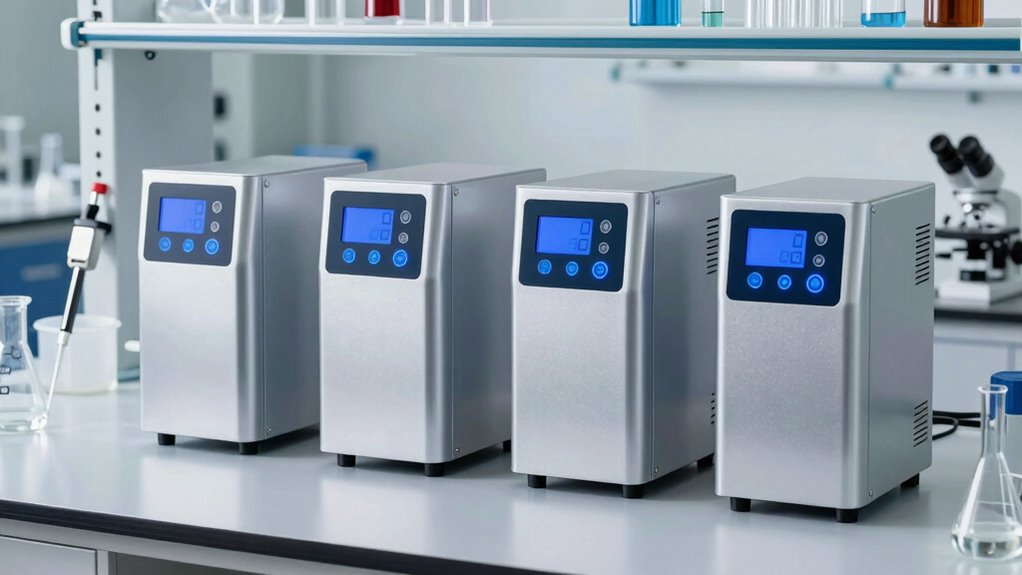

Choosing the right compressed air dryer for lab instruments requires balancing precise moisture removal, reliable operation, and compatibility with your existing setup. For high-precision labs, the Schulz ADS-50-UP stands out with its electronic control and effective moisture elimination. If your focus is on protecting sensitive equipment in a mid-sized lab, the VEVOR 125 CFM dryer offers industrial-grade performance with advanced features. For smaller, more budget-conscious setups, the Milton desiccant system provides a simple but reliable moisture barrier. Each of these picks has distinct strengths and tradeoffs, so I’ll help clarify which model best fits different lab needs.

Prime made for students and young adults
- Fast, free delivery for dorm and study essentials
- Prime Video and Amazon Music included
- Member-only deals
Key Takeaways
- The Schulz ADS-50-UP offers precise moisture control ideal for sensitive lab instruments but is heavier and limited to 115V power.
- The VEVOR dryer excels in industrial environments requiring high flow rates and automatic maintenance features, with a higher initial cost.
- The smaller Milton desiccant dryers are budget-friendly and effective for low to mid-range flow needs but have limited capacity and require desiccant replacement.
- Size, flow capacity, and maintenance features are key factors that differentiate these options for lab applications.
- Matching the dryer’s capacity and features to your specific instrument requirements ensures optimal moisture removal without overspending.
| Schulz ADS-50-UP Non-Cycling Compressed Air Dryer, 50 CFM, 115V |  | Best Overall for Precision and Control | CFM: 50 | Voltage: 115V | Max Inlet Pressure: 232 PSI | VIEW ON AMAZON | See Our Full Breakdown |
| Refrigerated Compressed Air Dryer 21.6 CFM, 1/4 HP Air Compressor Moisture Removal System |  | Best for Small to Mid-Size Labs | Airflow Capacity: 21.6 CFM | Motor Power: 1/4 HP | Inlet Connection: 1/2″ NPT | VIEW ON AMAZON | See Our Full Breakdown |
| VEVOR Compressed Air Dryer, 125 CFM Refrigerated Industrial Air-Drying System for 20HP-30HP Compressors |  | Best for Industrial-Scale Lab Needs | Flow Rate: 125 CFM | Voltage: 110-120V | Working Pressure: 87 – 232 PSI | VIEW ON AMAZON | See Our Full Breakdown |
| Milton 1072 1/2″ Deluxe Desiccant Dryer System | 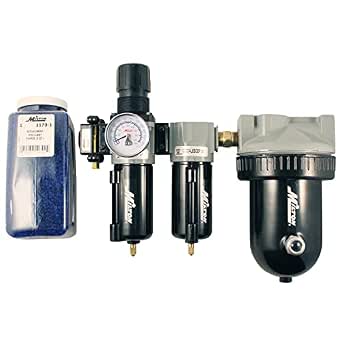 | Best Budget-Friendly Desiccant Drying | Thread Size: 1/2″ | Maximum Pressure: 250 PSI | Capacity: 1 quart | VIEW ON AMAZON | See Our Full Breakdown |
| Milton 1170-2 1/2″ Compact FRL Desiccant Air Dryer for Moisture Removal | 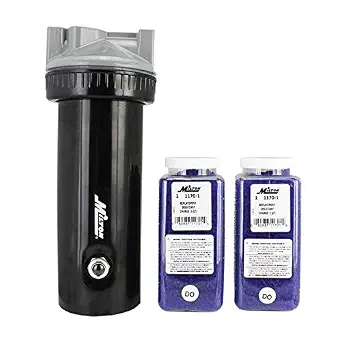 | Best for High-Demand Applications | Inlet/Outlet Size: 1/2 inch | Maximum Pressure: 250 PSI | Desiccant Charges: Two 1-quart charges | VIEW ON AMAZON | See Our Full Breakdown |
| compressed air dryer for lab instrument | Maximum Pressure |
|---|---|
| Schulz ADS-50-UP Non-Cycling C | — |
| Refrigerated Compressed Air Dr | 140 PSI |
| VEVOR Compressed Air Dryer | — |
| Milton 1072 1/2" Deluxe Desicc | 250 PSI |
| Milton 1170-2 1/2" Compact FRL | 250 PSI |
More Details on Our Top Picks
Schulz ADS-50-UP Non-Cycling Compressed Air Dryer, 50 CFM, 115V
This dryer stands out for its electronic controller, which allows precise moisture and temperature regulation, critical for sensitive lab instruments. It handles up to 50 CFM at 115V, making it suitable for medium-sized lab setups. Compared with larger industrial units, it offers more accurate control and energy efficiency, but its heavier weight and limited voltage options might pose installation challenges. Its durable, compact design makes it easier to integrate into existing lab environments, especially where precise moisture control is paramount.
Pros:- Precise electronic control for moisture and temperature
- Effective moisture removal for sensitive instruments
- Compact, durable design with easy maintenance
- Handles up to 50 CFM at 115V
Cons:- Heavy weight may require assistance during installation
- Limited to 115V power supply
- Not suitable for very high flow rate needs
Best for: Labs needing reliable, precise moisture control for sensitive instruments
Not ideal for: Large industrial setups or labs with 220V power supplies
- CFM:50
- Voltage:115V
- Max Inlet Pressure:232 PSI
- Power:Single-phase
- Connections:½” NPT
- Weight:approximately 70 lbs
Our verdict“A versatile, control-enhanced choice ideal for labs prioritizing precision and ease of maintenance.”
Refrigerated Compressed Air Dryer 21.6 CFM, 1/4 HP Air Compressor Moisture Removal System
This unit provides up to 21.6 CFM of dry, moisture-free air, making it well-suited for small to mid-sized laboratory environments. It effectively removes up to 90% of moisture, protecting sensitive tools and components from corrosion. Compared to the Schulz model, it offers higher airflow capacity for smaller spaces but might be overpowered for tiny setups where lower CFM suffices. Its steel construction ensures durability, but installation may require space and proper setup to optimize airflow and drainage.
Pros:- Removes up to 90% of moisture, reducing corrosion risks
- High airflow capacity for small to mid-size applications
- Durable steel construction
- Effective for protecting pneumatic tools and equipment
Cons:- Overpowered for very small compressors
- Requires proper installation space
- Limited to 140 PSI maximum pressure
Best for: Small to mid-sized labs needing reliable moisture removal without high flow demands
Not ideal for: Large industrial labs or setups requiring over 30 CFM
- Airflow Capacity:21.6 CFM
- Motor Power:1/4 HP
- Inlet Connection:1/2″ NPT
- Maximum Pressure:140 PSI
- Dew Point:36°F
Our verdict“A robust, high-capacity dryer ideal for small to medium laboratory environments needing dependable moisture control.”
VEVOR Compressed Air Dryer, 125 CFM Refrigerated Industrial Air-Drying System for 20HP-30HP Compressors
This industrial-grade dryer offers a flow rate of 125 CFM, suitable for large laboratory or research facilities with high airflow demands. It features a user-friendly color screen control panel, automatic drainage, and high-efficiency heat exchange, making it a powerful and reliable choice. Compared with smaller units, it provides more capacity and automation, but its higher initial cost and need for 110-120V power may limit some labs’ budgets or installation options. It’s best suited for high-demand environments where continuous, reliable moisture removal is critical.
Pros:- Effective moisture removal for industrial flow rates
- Automatic drainage reduces maintenance
- Intuitive color screen control panel
- Fast heat dissipation and moisture condensation
Cons:- High initial cost
- Requires 110-120V power supply
- Designed for specific compressor sizes
Best for: Large laboratories and research facilities with high airflow and automation needs
Not ideal for: Small labs or those with limited electrical capacity
- Flow Rate:125 CFM
- Voltage:110-120V
- Working Pressure:87 – 232 PSI
- Dew Point Temperature:35.6 – 50 °F
- Refrigerant Type:R410a
Our verdict“An industrial powerhouse best suited for large-scale lab environments demanding high flow and automation.”
Milton 1072 1/2″ Deluxe Desiccant Dryer System
The Milton 1072 offers simple, effective moisture control for smaller systems, with a maximum pressure of 250 PSI and a capacity of 1 quart. Made of durable metal, it is straightforward and reliable for low to mid-flow applications in the lab. Compared to refrigerated dryers, it excels in environments where very low dew points are required, such as with highly sensitive instruments that need dry, oil-free air. However, its limited capacity and lack of advanced controls mean it’s less suited for high-volume or automated systems.
Pros:- Durable metal construction
- High maximum pressure capacity
- Cost-effective for small systems
- Simple, reliable operation
Cons:- Limited capacity for large systems
- No detailed installation instructions
- Only suitable for 1/2″ pipe systems
Best for: Budget-conscious labs or applications requiring very dry air at lower flow rates
Not ideal for: Large-scale or high-flow systems needing continuous moisture removal
- Thread Size:1/2″
- Maximum Pressure:250 PSI
- Capacity:1 quart
- Material:Metal
- Flow Rate:100 SCFM
Our verdict“A dependable, low-cost desiccant dryer ideal for small lab applications with moderate moisture removal needs.”
Milton 1170-2 1/2″ Compact FRL Desiccant Air Dryer for Moisture Removal
This compact FRL desiccant dryer is designed to protect high-demand pneumatic tools and systems, delivering air dry down to -30°F. It features a visual indicator for desiccant saturation and includes two 1-quart desiccant charges, making it suitable for continuous operation in critical lab environments. Compared with larger industrial units, it offers excellent moisture removal in a small footprint, but the need for desiccant replacement and pre-drying can add to maintenance. Its 1/2-inch inlet/outlet size limits use to smaller connections, but it offers high performance for demanding applications.
Pros:- Effective down to -30°F for sensitive instruments
- Compact and easy to integrate
- Visual indicator for desiccant status
- Includes two desiccant charges
Cons:- Requires oven drying of desiccant beads before first use
- Limited to 1/2″ inlet/outlet
- Desiccant replacement needed over time
Best for: High-demand, precision lab instruments requiring dry air down to -30°F
Not ideal for: Large-scale systems or setups with larger inlet/outlet sizes
- Inlet/Outlet Size:1/2 inch
- Maximum Pressure:250 PSI
- Desiccant Charges:Two 1-quart charges
- Material:Polypropylene filter element
- Temperature Range:Down to -30°F
Our verdict“A high-performance, compact desiccant dryer perfect for demanding lab applications where moisture control is critical.”

How We Picked
Our selection process focused on models that combine reliable moisture removal with compatibility for lab instrument environments. I prioritized units with adjustable controls, sufficient flow capacity, and ease of maintenance. Cost and energy efficiency were also considered, ensuring options that cater to different lab sizes and budgets. I compared specifications like dew point, maximum pressure, and user controls, emphasizing those that balance performance with ease of use for laboratory settings.
Factors to Consider When Choosing Compressed Air Dryer For Lab Instruments
Selecting the right compressed air dryer for lab instruments hinges on understanding your specific needs regarding airflow capacity, dew point, and maintenance complexity. For highly sensitive equipment, precise control and low dew points are key; for larger setups, capacity and automation are more critical. The following sections will help clarify what to consider to match your lab’s unique requirements.
Flow Capacity and Dew Point
Matching your lab’s airflow needs with the dryer’s capacity prevents undersizing or overspending. Sensitive instruments often require a dew point below 35°F, which some units achieve better than others. Consider your total airflow demand and the dew point specifications to ensure optimal performance without unnecessary cost.
Type of Dryer: Refrigerated vs. Desiccant
Refrigerated dryers are generally suitable for most lab environments, offering a good balance of cost and moisture removal down to about 36°F dew point. Desiccant dryers, on the other hand, excel when extremely low dew points are necessary, such as in high-precision applications, but they often require more maintenance and replacement desiccant charges.
Ease of Maintenance and Automation
Automation features like automatic drainage and control panels reduce ongoing maintenance and help maintain consistent moisture levels. Desiccant systems with visual indicators or pre-drying requirements add to maintenance considerations, so evaluate your lab’s capacity for regular upkeep.
Frequently Asked Questions
What is the ideal dew point for lab instruments?
For most sensitive lab equipment, a dew point below 35°F is recommended to prevent moisture-related issues such as corrosion and instrument malfunction. Some applications demand even lower dew points, which desiccant dryers are better suited to provide.
How do I determine the right flow capacity for my lab?
Calculate your total compressed air demand by summing the flow rates of all instruments and tools that will use the system. It’s wise to add a margin—about 20%—to ensure the dryer can handle peak demands without performance drops. Matching capacity prevents undersized units from failing and overspending on unnecessarily large equipment.
Are refrigerated or desiccant dryers better for lab use?
Refrigerated dryers typically suffice for standard lab needs, offering reliable moisture removal down to around 36°F dew point. Desiccant dryers are preferable when extremely dry air is essential, such as in high-precision experiments or sensitive instrumentation, though they tend to be more maintenance-intensive.
What maintenance is involved with these dryers?
Refrigerated dryers generally require periodic cleaning of filters and checks on drainage systems. Desiccant dryers need desiccant replacement or oven drying, depending on the model, along with regular inspections. Automated units with electronic controls reduce manual intervention but still require routine monitoring.
Can I install these dryers myself?
Installation difficulty varies by model. Smaller units like Milton’s desiccant systems are generally straightforward and suitable for DIY setup, provided you follow manufacturer instructions. Larger industrial dryers may require professional installation to ensure proper connections, electrical supply, and ventilation for optimal operation.
Conclusion
For lab environments requiring ultra-precise moisture control and easy operation, the Schulz ADS-50-UP makes a compelling choice. Smaller labs or those on a budget will find the Milton desiccant dryers effective and affordable. If your setup demands high airflow and automation, the VEVOR 125 CFM dryer provides industrial-grade performance. Ultimately, matching the dryer’s capacity, dew point, and maintenance requirements to your lab’s specific needs will ensure optimal instrument protection and performance.