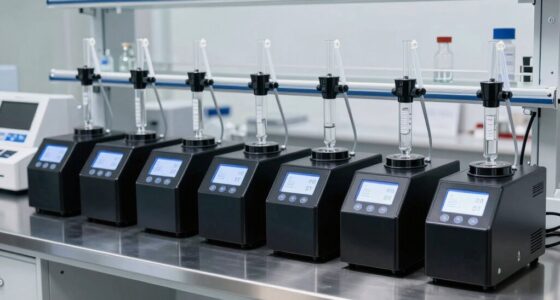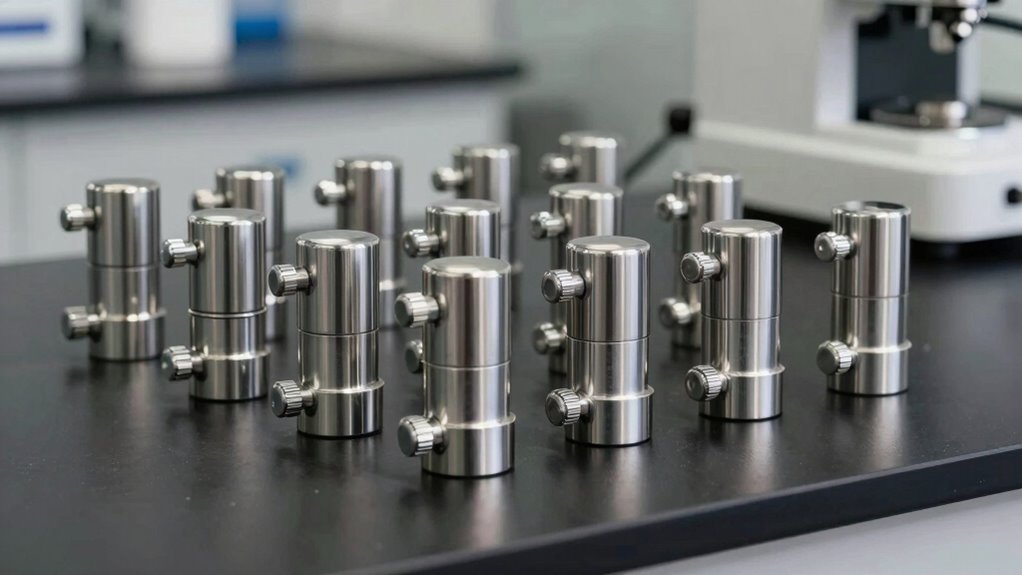

When searching for a lab ball mill jar roller, the goal is to find a machine that offers reliable, uniform grinding with ease of use. The Horizontal Laboratory Ball Mill with 5L Alumina Grinding Jar stands out as the best overall, combining capacity and durability. For those prioritizing high hardness and chemical resistance, the Alumina Corundum Ball Rolling Mill Jar for Lab excels, while the TMAXCN Zirconia Jar for Ball Mill offers excellent wear resistance for demanding applications. Buyers often face tradeoffs between capacity, material compatibility, and price. Keep reading for a detailed breakdown of what makes each option unique and how to choose the right one for your lab needs.

Prime made for students and young adults
- Fast, free delivery for dorm and study essentials
- Prime Video and Amazon Music included
- Member-only deals
Key Takeaways
- The best overall lab ball mill jar roller balances capacity, durability, and ease of operation.
- Material choice (e.g., alumina, zirconia, PTFE) significantly impacts wear resistance and chemical compatibility.
- Larger capacities typically come with higher price tags and require more power, making size a key tradeoff.
- Precision control features, like digital speed regulation, are more common in premium models but add to cost.
- Durability and sealing mechanisms vary, affecting maintenance needs and longevity.
| Horizontal Laboratory Ball Mill with 5L Alumina Grinding Jar |  | Best Overall for Precise and Flexible Grinding | Grinding Jar Capacity: 5L | Feed Particle Size: < 3mm | Grinding Fineness: Approximately 300 mesh | VIEW ON AMAZON | See Our Full Breakdown |
| Alumina Corundum Ball Rolling Mill Jar for Lab, 500ml/17oz, Stainless Steel Clamp Seal, High Purity & Hardness |  | Best for High-Quality Material Compatibility | Capacity: 500ml/17oz | Material: Alumina Corundum | Seal: Stainless Steel Clamp | VIEW ON AMAZON | See Our Full Breakdown |
| 500ML-10L Alumina Corundum Ball Mill Jar, High Hardness |  | Best for Heavy-Duty Laboratory Milling | Material: Alumina Corundum | Capacity: 500ml to 10L | Sealing: Stainless steel clamp | VIEW ON AMAZON | See Our Full Breakdown |
| TMAXCN Zirconia Jar for Ball Mill (1000ml) |  | Best for High-Strength and Toughness Needs | Brand: TMAXCN | Model: TMAX-XQM | Capacity: 1000ml | VIEW ON AMAZON | See Our Full Breakdown |
| 5L Horizontal Ball Mill Grinding Machine 220V Digital Control Lab Roller Jar Mill Grinder with Alumina Jar and Balls |  | Best for Digital Precision and Versatile Laboratory Use | Capacity: 5L | Voltage: 220V | Power: 250W | VIEW ON AMAZON | See Our Full Breakdown |
| 500ml Alumina Corundum Ball Mill Jar with Stainless Steel Locking Clamp for Laboratory Grinding |  | Best for High-Hardness Material Milling | Material: High-Purity Alumina (Corundum) Ceramic | Application: Planetary ball mills, roller ball mills, laboratory grinding | Outer Diameter: 100mm | VIEW ON AMAZON | See Our Full Breakdown |
| 220V Laboratory Ball Mill with 2 x 5L Ceramic Jars, 800RPM, Horizontal Planetary Design |  | Best for Dual-Sample Processing and Versatility | Voltage: 220V | Jars Capacity: 2 x 5L | Maximum RPM: 800 | VIEW ON AMAZON | See Our Full Breakdown |
| Large Ball Mill Jars – 3 LTR Capacity by Inoxia |  | Best for Large-Scale Milling Projects | Capacity: 3 LTR | Material: High-density polyethylene | Features: Airtight, watertight, wide neck openings, rubber rings | VIEW ON AMAZON | See Our Full Breakdown |
| Ball Mill Jar, Alumina Corundum Grinding Jar with Stainless Steel Locking Clamp, 500ml/17oz |  | Best for Demanding High-Hardness Laboratory Milling | Capacity: 500ml / 17oz | Material: Alumina Corundum | Clamp: Stainless Steel | VIEW ON AMAZON | See Our Full Breakdown |
| 500ML-10L Alumina Corundum Ball Mill Jar, High Hardness |  | Best for Versatile Capacity Ranges in Laboratory Settings | Capacity: 500ml, 1L, 2L, 3L, 5L, 10L | Material: High-purity alumina (corundum) ceramic | Outer Diameter: 100mm to 246mm | VIEW ON AMAZON | See Our Full Breakdown |
| HNZXIB 5L Lab Jar Mill Small Roller Ball Mill with PTFE Jar, 110V |  | Best for Small Batch Ultrafine Grinding | Capacity: 5L | Feed particle size: 0.1mm-10mm | Output size: 0.5-1.75kg/h | VIEW ON AMAZON | See Our Full Breakdown |
| Laboratory Planetary Ball Mill Machine with 4 Stainless Steel Jars and 0.1 Micron Granularity |  | Best for High-Precision Fine Grinding in Research | Jars: 4 x 0.1 L stainless steel | Granularity: 0.1 micrometers | Weight: 73 pounds | VIEW ON AMAZON | See Our Full Breakdown |
| TMAXCN Planetary Ball Mill Jar, 50ml, Polyurethane |  | Best for Custom Laboratory Jars and Small-Scale Grinding | Capacity: 50ml | Material: Polyurethane | Includes: Lid, sealing ring | VIEW ON AMAZON | See Our Full Breakdown |
| 5L Lab Roller Ball Mill, Small Lab Equipment Jar Mill |  | Best for Versatile Small-Scale Scientific and Educational Use | Capacity: 5L | Operation: Easy | Suitable for: Wet and dry grinding | VIEW ON AMAZON | See Our Full Breakdown |
| lab ball mill jar roller | Capacity | Material |
|---|---|---|
| Horizontal Laboratory Ball Mil | — | — |
| Alumina Corundum Ball Rolling | 500ml/17oz | Alumina Corundum |
| 500ML-10L Alumina Corundum Bal | 500ml to 10L | Alumina Corundum |
| TMAXCN Zirconia Jar for Ball M | 1000ml | Zirconia |
| 5L Horizontal Ball Mill Grindi | 5L | — |
| 500ml Alumina Corundum Ball Mi | 500ml | High-Purity Alumina (Corundum) Ceramic |
| 220V Laboratory Ball Mill with | — | — |
| Large Ball Mill Jars | 3 LTR | High-density polyethylene |
| Ball Mill Jar | 500ml / 17oz | Alumina Corundum |
| 500ML-10L Alumina Corundum Bal | 500ml, 1L, 2L, 3L, 5L, 10L | High-purity alumina (corundum) ceramic |
| HNZXIB 5L Lab Jar Mill Small R | 5L | — |
| Laboratory Planetary Ball Mill | — | Metal frame, stainless steel jars |
| TMAXCN Planetary Ball Mill Jar | 50ml | Polyurethane |
| 5L Lab Roller Ball Mill | 5L | — |
More Details on Our Top Picks
Horizontal Laboratory Ball Mill with 5L Alumina Grinding Jar
This ball mill excels in providing precise digital speed control and low-noise operation thanks to its belt drive system, making it ideal for detailed research. Compared with the 5L Horizontal Ball Mill Grinder, it offers more adjustable features, such as variable jar sizes and safety controls like an emergency stop. The tradeoff is its complexity, which might challenge beginners setting it up for the first time. Its adjustable rubber rollers allow compatibility with jars from 50ml to 5L, offering excellent flexibility for different experiments or sample sizes. However, it’s limited to a maximum jar size of 5L, which could restrict larger-scale projects.
Pros:- Precise digital speed control for stable, repeatable grinding
- Low-noise belt drive ensures quieter operation
- Adjustable rollers accommodate various jar sizes
Cons:- Setup may be complicated for users unfamiliar with advanced equipment
- Limited to grinding jars up to 5L, restricting larger batch processing
Best for: Research labs needing precise control and flexible jar sizes for fine grinding and small to medium batch processing.
Not ideal for: Small hobbyist setups or industrial-scale operations due to its complexity and limited jar capacity.
- Grinding Jar Capacity:5L
- Feed Particle Size:< 3mm
- Grinding Fineness:Approximately 300 mesh
- Speed Control:Digital display with voltage adjustment knob
- Operation Noise:Low noise
- Drive Type:Belt drive
Our verdict“This pick suits laboratories that prioritize precision and flexibility over simplicity.”
Alumina Corundum Ball Rolling Mill Jar for Lab, 500ml/17oz, Stainless Steel Clamp Seal, High Purity & Hardness
This alumina corundum jar is tailored for high-purity, wear-resistant milling, making it perfect for ceramics, glazes, and mineral samples. When compared with the 500ML-10L Alumina Corundum Ball Mill Jar, it offers a compact 500ml capacity ideal for targeted testing. The secure stainless steel clamp seal ensures sample integrity, especially under demanding conditions, but this design is less suitable for larger or industrial applications. Its high purity alumina guarantees exceptional hardness, reducing wear over multiple uses, yet its fragility under mishandling could pose a risk during intense milling. The smooth interior facilitates cleaning, but it’s specifically designed for delicate laboratory tasks rather than bulk processing.
Pros:- High-purity alumina offers excellent hardness and wear resistance
- Secure stainless steel clamp seal maintains sample integrity
- Thermal and structural stability in demanding conditions
Cons:- Limited to small-scale laboratory use, not suited for industrial needs
- Fragile if mishandled under high stress
Best for: Laboratory researchers focusing on high-purity ceramic glazes, mineral analysis, or small-scale ceramic production.
Not ideal for: Industrial or large-volume milling applications due to limited capacity and fragility concerns.
- Capacity:500ml/17oz
- Material:Alumina Corundum
- Seal:Stainless Steel Clamp
- Hardness:High
- Purity:High
- Application:Ceramic Glaze, Quartz, Feldspar
Our verdict“This jar is ideal for precision-focused, small-batch ceramic or mineral milling tasks.”
500ML-10L Alumina Corundum Ball Mill Jar, High Hardness
This alumina corundum jar offers broad capacity options from 500ml up to 10L, making it suitable for high-volume or heavy-duty lab work. Compared with the 500ml alumina jar, it provides more versatility for different project scales. Its high surface hardness and abrasion resistance ensure a long lifespan even under intense milling conditions, but the heavier weight of larger sizes demands careful handling. The airtight stainless steel clamp guarantees reliable sealing, although the heavier units may be less convenient for frequent repositioning or manual handling. This jar is best suited for labs needing durable, multiple-capacity options but may be overkill for small or delicate tasks.
Pros:- High abrasion and surface hardness for long-term durability
- Multiple capacity options from 500ml to 10L
- Secure airtight sealing for consistent results
Cons:- Heavier, which can complicate handling and cleaning
- Requires careful handling to prevent damage
Best for: Laboratories requiring durable, high-capacity jars for mineral, ceramic, or powder milling with frequent use.
Not ideal for: Small-scale or low-budget setups where lightweight or simpler options are preferred, due to weight and handling considerations.
- Material:Alumina Corundum
- Capacity:500ml to 10L
- Sealing:Stainless steel clamp
- Interior:Seamless, non-porous
- Temperature Resistance:High
Our verdict“This jar is best for high-volume, durable milling needs in professional laboratory environments.”
TMAXCN Zirconia Jar for Ball Mill (1000ml)
The Zirconia jar from TMAXCN is engineered for excellent toughness and strength, making it suitable for demanding laboratory or industrial grinding. Compared to the alumina jars, zirconia offers superior toughness and fracture resistance, ideal for rougher or high-impact milling. Its smooth surface finish enhances efficiency, but since the grinding balls are not included, additional purchase is necessary, which could complicate setup. The 1000ml capacity suits medium batch sizes, yet the absence of included balls means extra steps for users. This jar is perfect for labs demanding durable, high-impact resistant containers, though it may be overkill for gentle or low-stress milling tasks.
Pros:- High strength and toughness of zirconia material
- Smooth surface finish enhances grinding efficiency
- Includes lid and sealing ring for secure operation
Cons:- Grinding balls are not included, requiring extra purchase
- Potentially more expensive than alumina options
Best for: Industrial or advanced research labs that need tough, high-strength jars for aggressive milling operations.
Not ideal for: Basic or small-scale laboratories with limited budgets or simpler requirements, due to additional costs for grinding media.
- Brand:TMAXCN
- Model:TMAX-XQM
- Capacity:1000ml
- Material:Zirconia
- Includes:Jar, lid, sealing ring
Our verdict“This jar is ideal for high-impact, durability-focused milling in demanding research environments.”
5L Horizontal Ball Mill Grinding Machine 220V Digital Control Lab Roller Jar Mill Grinder with Alumina Jar and Balls
This 5L horizontal ball mill melds digital control with comprehensive safety features, making it ideal for precise grinding and mixing. Unlike the Horizontal Laboratory Ball Mill with 5L Alumina Grinding Jar, it includes all necessary accessories—alumina jars and grinding balls—streamlining setup for users. The digital panel offers clear, adjustable parameters, enhancing repeatability for research or production. However, its maximum capacity of 5L and 250W power might limit larger or more demanding projects, and the size may be restrictive for some laboratory spaces. It’s a well-rounded choice for those prioritizing control and convenience in small to medium batch processing.
Pros:- Digital control panel with LED display for accurate operation
- Includes all necessary jars and grinding balls
- Effective safety protections like overload and automatic shutoff
Cons:- Limited to 5L capacity, not suitable for large batches
- Power consumption and size may restrict some laboratory spaces
Best for: Laboratory technicians needing accurate, controlled grinding with ready-to-use accessories for small to medium projects.
Not ideal for: Large-scale production or setups requiring higher power or capacity beyond 5L.
- Capacity:5L
- Voltage:220V
- Power:250W
- Material of Jars:Alumina
- Jar Sizes:5/10/15mm
- Weight:32kg
Our verdict“This mill suits labs seeking precise digital control with a ready-to-go setup for small to medium grinding tasks.”
500ml Alumina Corundum Ball Mill Jar with Stainless Steel Locking Clamp for Laboratory Grinding
This alumina corundum jar excels at handling abrasive, high-hardness materials, making it ideal for demanding mineral and ceramic grinding tasks. Its wear-resistant alumina construction and thermal stability outperform typical plastic or lower-grade ceramic jars, ensuring durability during intense operations. The stainless steel locking clamp guarantees a secure seal, preventing leaks in high-speed or high-temperature applications. Compared to the larger-capacity options like the Large Ball Mill Jars by Inoxia, this model is more suited for small-batch R&D work, but it sacrifices volume for precision and toughness. Its weight and size do limit portability and ease of handling, especially outside a lab setting. This pick makes the most sense for researchers focused on precision, demanding materials, and small-volume testing, but it’s less suitable for industrial-scale milling or portable use.
Pros:- High hardness and wear resistance ideal for abrasive materials
- Secure stainless steel locking clamp prevents leaks during high-speed grinding
- Smooth interior reduces contamination and facilitates cleaning
- Thermal stability suitable for high-temperature processing
Cons:- Limited to small batch laboratory use, not suitable for industrial scale
- Heavyweight design hampers portability and quick handling
Best for: Laboratory researchers working with high-hardness, abrasive powders requiring precise small-batch milling.
Not ideal for: Field technicians or industrial operators needing large-volume or portable milling solutions, due to its weight and size.
- Material:High-Purity Alumina (Corundum) Ceramic
- Application:Planetary ball mills, roller ball mills, laboratory grinding
- Outer Diameter:100mm
- Height (without lid):120mm
- Height (with lid):129mm
- Approximate Weight:1.35kg
- Capacity:500ml
- Closure:Stainless Steel Locking Clamp with Sealing Lid
Our verdict“This jar is perfect for precise, high-hardness material grinding in small laboratory settings but isn’t designed for larger or mobile applications.”
220V Laboratory Ball Mill with 2 x 5L Ceramic Jars, 800RPM, Horizontal Planetary Design
This dual-station planetary ball mill offers substantial capacity with two 5-liter ceramic jars, making it an excellent choice for simultaneous processing of multiple samples. Its adjustable settings for jar size and safety features elevate usability in diverse research environments. Compared with smaller-capacity jars, like the 500ml Alumina Corundum Ball Mill Jar, this model supports larger batch sizes, although it comes with a higher price tag and requires a 220V power source, which might limit use in regions with different voltage standards. The lack of detailed noise or motor power info means users need to verify compatibility with existing lab infrastructure. Its high RPM capability supports rapid grinding but can generate significant noise and wear, so it’s best suited for well-equipped labs with safety protocols. Overall, this mill is tailored for labs needing high throughput and versatility, but less so for budget-conscious or low-volt environments.
Pros:- Supports two samples simultaneously for increased productivity
- Versatile with support for both dry and wet grinding
- Adjustable jar sizes and built-in safety features
- High maximum RPM for faster processing
Cons:- Limited to 220V power supply, requiring converters in some regions
- No detailed data on motor power or noise levels
- Higher cost compared to manual or single-jar mills
Best for: Research labs conducting high-volume ceramic, glaze, or mineral processing with the need for parallel sample grinding.
Not ideal for: Small-scale hobbyists or labs in regions with voltage limitations, due to its size and power requirements.
- Voltage:220V
- Jars Capacity:2 x 5L
- Maximum RPM:800
- Grinding Method:Dry and wet
- Application:Ceramics, glazes, inks, minerals
Our verdict“This mill suits high-throughput laboratories needing dual, large-capacity ceramic jars with flexible operation, but it’s less ideal for small-scale or region-specific power setups.”
Large Ball Mill Jars – 3 LTR Capacity by Inoxia
This 3-liter polyethylene jar is designed for sizable milling tasks, making it suitable for batch processing of large quantities. Its airtight and watertight seals, along with wide neck openings, facilitate filling and cleaning, offering a practical solution for extensive research or production. Compared to smaller alumina jars like the 500ml Alumina Corundum Ball Mill Jar, it provides significantly increased volume but at the expense of material hardness—plastic may not withstand high thermal stress or aggressive materials. It’s a lightweight, easy-to-handle option with good sealing but less durable under high-temperature or highly abrasive conditions. This jar is ideal for labs that prioritize volume and ease of maintenance over extreme material hardness or chemical resistance, but not for applications needing high-temperature or chemically aggressive milling.
Pros:- Large 3-liter capacity suitable for big milling batches
- Airtight and watertight seals prevent leaks during operation
- Wide neck openings simplify filling and cleaning
- Lightweight and easy to handle
Cons:- Made from plastic, limiting high-temperature or chemically aggressive applications
- Designed primarily for ceramic media, compatibility with other media may vary
Best for: Large-scale research or production environments requiring high-volume milling with easy handling and cleaning.
Not ideal for: High-temperature or abrasive material processing, where plastic material may degrade or deform over time.
- Capacity:3 LTR
- Material:High-density polyethylene
- Features:Airtight, watertight, wide neck openings, rubber rings
Our verdict“This jar is perfect for high-volume milling that values ease of use and cleaning, but less so for high-heat or chemically reactive environments.”
Ball Mill Jar, Alumina Corundum Grinding Jar with Stainless Steel Locking Clamp, 500ml/17oz
This alumina corundum jar offers high hardness and thermal resilience, making it suitable for intense milling tasks involving abrasive and dense powders. Its durable construction and seamless interior facilitate easy cleaning and reduce contamination risks, outperforming lower-grade ceramic or plastic jars in demanding environments. The stainless steel locking clamp ensures a tight seal, especially important during high-speed or high-temperature operations. Compared to the 500ml Alumina Corundum Ball Mill Jar with Sealing Lid, this model emphasizes durability and resistance under thermal stress, though it is heavier and less portable. It’s ideal for labs conducting rigorous milling of high-hardness materials but less suited for quick, casual experiments or portable setups.
Pros:- High-hardness alumina construction withstands intense milling
- Secure stainless steel locking clamp prevents leaks
- Seamless interior simplifies cleaning and reduces contamination
- Resistant to thermal stress and wear
Cons:- Heavyweight, which can make handling cumbersome
- Limited to laboratory use, not suitable for industrial scale
Best for: Laboratory researchers engaged in high-hardness, abrasive, and thermal-stress-prone milling tasks.
Not ideal for: Field applications or environments requiring lightweight, portable equipment, due to its weight and fixed design.
- Capacity:500ml / 17oz
- Material:Alumina Corundum
- Clamp:Stainless Steel
- Features:High Hardness, Thermal Stress Resilience, Seamless Interior
Our verdict“This jar is ideal for high-hardness, demanding lab milling but isn’t practical for portable or large-scale industrial operations.”
500ML-10L Alumina Corundum Ball Mill Jar, High Hardness
This series of alumina corundum jars spans capacities from 500ml to 10L, offering flexibility in scaling laboratory milling operations. Their high-grade alumina material and secure stainless steel clamps provide excellent durability, thermal stability, and an airtight seal. Compared to smaller jars like the 500ml Alumina Corundum Ball Mill Jar, these variants accommodate larger batches without sacrificing material hardness or performance. The smooth interior surface simplifies cleaning, and the robust construction withstands high-temperature cycles. However, the manual measurement tolerances and heavy weight could pose handling challenges, especially with the larger sizes. These jars suit labs needing scalable options for diverse batch sizes, though the heavier weight limits ease of use in mobile or space-constrained environments.
Pros:- High hardness and wear resistance across size range
- Secure airtight seal prevents leaks during vigorous milling
- Smooth interior reduces powder buildup and cleaning time
- Thermal stability suitable for high-temperature grinding
Cons:- Manual measurements may vary by about 1cm, affecting precise fitting
- Heavyweight design complicates handling and setup
Best for: Research facilities requiring scalable alumina jars for varying batch sizes with high hardness and thermal stability.
Not ideal for: Smaller labs or applications where portability and quick handling are priorities, due to heavy weight and manual sizing.
- Capacity:500ml, 1L, 2L, 3L, 5L, 10L
- Material:High-purity alumina (corundum) ceramic
- Outer Diameter:100mm to 246mm
- Height without lid:120mm to 334mm
- Height with lid:129mm to 344mm
- Reference Weight:1.5kg to 12.5kg
- Sealing Method:Stainless steel locking clip with sealing lid
Our verdict“This versatile set of alumina jars is well-suited for scalable, high-demand laboratory milling but requires handling equipment for larger sizes.”
HNZXIB 5L Lab Jar Mill Small Roller Ball Mill with PTFE Jar, 110V
This compact roller ball mill stands out for its ability to handle ultrafine grinding in small quantities, making it ideal for research requiring precise particle sizes. Unlike the larger 5L horizontal models, this unit offers more uniform grinding with minimal setup, thanks to its PTFE jar compatibility and variable spindle speeds. The tradeoff is its limited capacity, unsuitable for bulk production, and the need for specific jar materials to prevent contamination. Compared with the 5L Lab Roller Ball Mill, it excels in versatility and ease of use but sacrifices scale. It’s perfect for labs focused on small, high-precision batches where flexibility and compactness matter most.
Pros:- Suitable for both dry and wet grinding applications
- Compact, space-saving design with high efficiency
- Versatile tank material compatibility for different materials
- Provides uniform particle size distribution
Cons:- Limited to small batch sizes, not suitable for large-scale use
- Requires specific tank materials for optimal performance
- Power and capacity may be insufficient for industrial needs
Best for: Researchers and technicians needing ultrafine grinding in small batches, especially in electronics or biomedicine labs.
Not ideal for: Industrial-scale production or large volume processing, due to its limited capacity and power.
- Capacity:5L
- Feed particle size:0.1mm-10mm
- Output size:0.5-1.75kg/h
- Mesh size:300-500 mesh
- Spindle Speed:60-570 r.p.m.
- Mill Jar material:PTFE
- Power:0.37KW
- Weight:32 KG
Our verdict“This mill offers precise, small-batch ultrafine grinding perfect for specialized research but isn’t suitable for high-volume production.”
Laboratory Planetary Ball Mill Machine with 4 Stainless Steel Jars and 0.1 Micron Granularity
This planetary ball mill is geared toward achieving extremely fine particles, down to 0.1 micrometers, making it a top choice for detailed research work. Its four-station setup offers high throughput, outperforming smaller single-jars like the TMAXCN Polyurethane model. The sturdy metal frame and stainless steel jars ensure durability, but its weight and complex controls demand dedicated support and training. While it excels in achieving tiny granules, it’s overkill for simple mixing tasks and less practical for routine small-scale labs. Compared to the TMAXCN polyurethane jar, it offers more grinding power but at the expense of portability and ease of operation. This unit makes sense in dedicated research facilities where precision and efficiency are critical.
Pros:- Achieves ultra-fine granularity down to 0.1 micrometers
- High efficiency with four grinding stations
- Durable construction with heat dissipation for stable operation
- Programmable controls for customized grinding cycles
Cons:- Heavy and requires sturdy support structures
- Complex controls may need user training
- Limited to small sample volumes, not ideal for larger batches
Best for: Advanced research labs needing ultra-fine grinding capabilities with high throughput and durability.
Not ideal for: Small, budget-conscious labs or those requiring simple, user-friendly equipment for occasional use.
- Jars:4 x 0.1 L stainless steel
- Granularity:0.1 micrometers
- Weight:73 pounds
- Material:Metal frame, stainless steel jars
- Features:Frequency control, heat dissipation, LED display, programmable control
Our verdict“This mill is best suited for specialized research demanding ultra-fine particle sizes and high throughput, with a tradeoff in complexity and size.”
TMAXCN Planetary Ball Mill Jar, 50ml, Polyurethane
This polyurethane jar caters to labs needing customized grinding containers, offering versatility with various sizes and materials. Its 50ml capacity makes it ideal for small-scale, delicate experiments where contamination must be minimized, similar to the small-capacity TMAXCN zirconia jars. The inclusion of a lid and sealing ring ensures secure operation, but the absence of grinding balls means additional purchases are necessary, adding to the overall cost. Compared with larger or more integrated mill systems, this jar prioritizes flexibility over convenience, making it suitable for specific, small batch applications. Its customizability is a clear advantage for labs with unique material requirements.
Pros:- Customizable in multiple materials and sizes
- Includes lid and sealing ring for secure sealing
- Suitable for small, precise laboratory applications
Cons:- Grinding balls are sold separately, increasing total cost
- Limited to 50ml capacity, restricting sample size
- Price shown per jar may be high for multiple units
Best for: Research units requiring tailored jars for specific experiments or small-volume grinding tasks.
Not ideal for: High-volume production or labs seeking ready-to-use, all-in-one grinding solutions.
- Capacity:50ml
- Material:Polyurethane
- Includes:Lid, sealing ring
- Note:Grinding ball not included
Our verdict“This jar is best for specialized, small-batch grinding requiring tailored materials but involves additional costs and limited volume.”
5L Lab Roller Ball Mill, Small Lab Equipment Jar Mill
This 5L roller ball mill combines ease of operation with versatility, making it appealing for labs that need a reliable all-rounder. Its simple design allows for straightforward wet or dry grinding, suitable for research, education, or experimental purposes. Unlike the ultrafine-focused planetary mill, this model emphasizes high efficiency and uniform granulation on a slightly larger scale, rivaling the compact HNZXIB unit. The main limitation is its small capacity relative to industrial equipment and the need for adjustment when changing pot sizes. It’s a solid choice for general-purpose lab work but less suited for ultra-fine particle requirements or large volume processing.
Pros:- Compact and easy to operate
- Suitable for both wet and dry grinding
- High efficiency with uniform granularity
- Good for scientific research and educational use
Cons:- Limited to small lab scale, not industrial
- Requires adjustments for different pot sizes
- Not designed for ultra-fine or large volume processing
Best for: Educational institutions and small research labs needing a straightforward, reliable grinding machine for various experiments.
Not ideal for: Industrial applications or large-scale production, due to its limited capacity and scope.
- Capacity:5L
- Operation:Easy
- Suitable for:Wet and dry grinding
- Application:Scientific research, education
Our verdict“This mill offers a dependable, versatile solution for small-scale scientific grinding but isn’t built for high-volume or ultra-fine applications.”

How We Picked
Our evaluation focused on core factors that influence lab ball mill jar roller performance and usability. We considered capacity, material quality, build robustness, ease of maintenance, and price. Models with adjustable speeds or advanced controls were rated higher for versatility, while material resistance was key for chemical compatibility. We prioritized options that balance value and performance, ensuring each product suits different lab requirements. The ranking reflects a combination of durability, user feedback, and features aligned with typical research and industrial needs.| lab ball mill jar roller | Material |
|---|---|
| Horizontal Laboratory Ball Mil | — |
| Alumina Corundum Ball Rolling | Alumina Corundum |
| 500ML-10L Alumina Corundum Bal | Alumina Corundum |
| TMAXCN Zirconia Jar for Ball M | Zirconia |
| 5L Horizontal Ball Mill Grindi | — |
| 500ml Alumina Corundum Ball Mi | High-Purity Alumina (Corundum) Ceramic |
| 220V Laboratory Ball Mill with | — |
| Large Ball Mill Jars | High-density polyethylene |
| Ball Mill Jar | Alumina Corundum |
| 500ML-10L Alumina Corundum Bal | High-purity alumina (corundum) ceramic |
| HNZXIB 5L Lab Jar Mill Small R | — |
| Laboratory Planetary Ball Mill | Metal frame, stainless steel jars |
| TMAXCN Planetary Ball Mill Jar | Polyurethane |
| 5L Lab Roller Ball Mill | — |
Factors to Consider When Choosing Lab Ball Mill Jar Roller
Choosing the right lab ball mill jar roller involves more than just capacity or price. It’s essential to consider compatibility with your materials, the level of control you need, and maintenance requirements. A well-selected roller enhances grinding efficiency, prolongs equipment life, and suits your specific research or production processes. Here are key factors to keep in mind beyond just the product features.Material Compatibility and Durability
The material of the jar and grinding media directly affects chemical resistance, wear rate, and contamination risk. Alumina and zirconia are popular for their hardness and chemical inertness, making them suitable for aggressive or precise grinding. PTFE jars are excellent for chemical reactions requiring inert surfaces but may lack the robustness of ceramic options. Consider the chemical nature of your samples and the expected wear when choosing materials.
Capacity and Size
Matching the jar capacity to your workload is vital. Larger jars (5L or more) allow for batch processing of bigger samples but come with higher costs and energy demands. Smaller jars (50-500ml) are more suitable for detailed, small-volume experiments and offer greater control. Be aware that increasing capacity often reduces grinding efficiency and increases maintenance complexity.
Control Features and Ease of Use
Automatic and digital controls, such as variable speed settings and timers, improve consistency and ease of operation. However, these features add to the upfront cost. Simpler models with manual controls may suffice for straightforward tasks but could limit flexibility. Consider how often you’ll need precise speed regulation or programmable cycles.
Build Quality and Maintenance
Robust construction with high-quality seals and locking mechanisms minimizes maintenance and prolongs the machine’s lifespan. Look for corrosion-resistant metals and reliable sealing to prevent sample contamination and leakage. Regular cleaning and easy access to parts are also important to keep downtime minimal.
Price and Value
While premium models offer advanced features and longer durability, they come at a higher price. Conversely, budget options may lack durability or control but are suitable for occasional use or smaller labs. Balancing your budget with your needs for capacity, control, and material compatibility is key to making a smart investment.
Frequently Asked Questions
What material should I choose for my lab ball mill jar?
The choice depends on your application. Alumina jars are highly durable and chemically inert, making them suitable for grinding abrasive or reactive samples. Zirconia offers even higher wear resistance and is ideal for high-precision or aggressive grinding tasks. PTFE jars are best when chemical inertness is critical, but they may wear faster under heavy use.
How do I determine the right capacity for my lab?
Start by considering your typical batch size and the number of samples you’ll process simultaneously. Larger capacities (5L or more) are better for bulk processing but increase costs and power needs. Small jars (under 1L) provide more control and are easier to handle for detailed experiments. Matching capacity to your workflow helps optimize efficiency and cost-effectiveness.
Are digital control features worth the extra cost?
Digital controls improve precision, repeatability, and ease of use, especially when you need consistent results or complex grinding cycles. They are particularly valuable in research settings where exact timing and speed control matter. However, if your tasks are simple or infrequent, manual controls may suffice and save you money.
What maintenance does a lab ball mill jar roller require?
Regular cleaning to remove sample residues and prevent contamination is essential. Check seals and locking mechanisms periodically for wear or damage, replacing parts as needed. Proper lubrication and avoiding overloading extend equipment life. Choosing a model with accessible parts and straightforward maintenance procedures can reduce downtime and repair costs.
How does price influence the choice of a lab ball mill jar roller?
Higher-priced models often feature advanced controls, better materials, and larger capacities, making them suitable for demanding applications. Budget options may lack some of these qualities but can be adequate for occasional or small-scale work. Consider your specific needs and budget constraints carefully to select a model that offers the best value for your intended use.
Conclusion
For most laboratories seeking a reliable, versatile option, the Horizontal Laboratory Ball Mill with 5L Alumina Grinding Jar offers a strong balance of capacity, durability, and ease of use. If your work demands high wear resistance and chemical inertness, the Alumina Corundum Ball Rolling Mill Jar stands out as a top choice. Beginners or small-scale operators might find the HNZXIB 5L Lab Jar Mill more accessible, while high-end users needing precise control may prefer models with digital features. Ultimately, your selection should align with your specific material compatibility, processing volume, and budget.