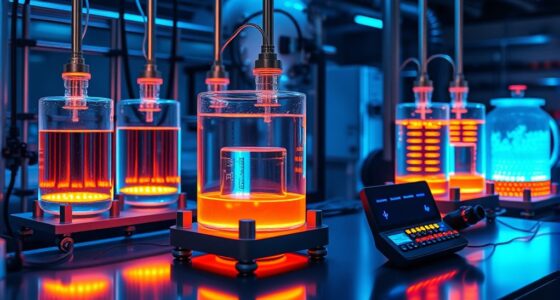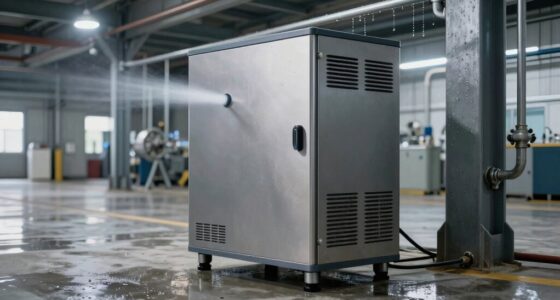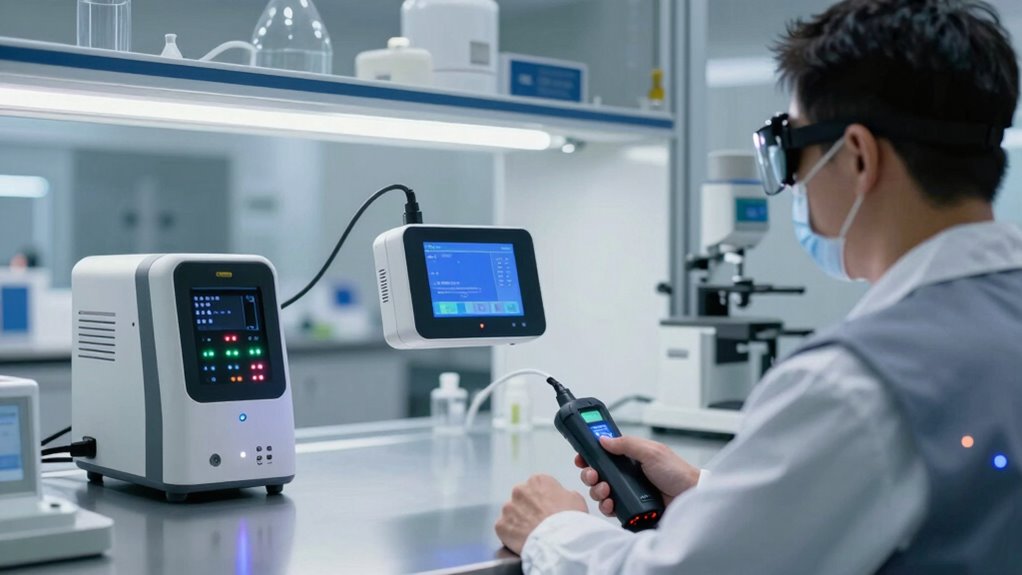

Industrial Hygiene Tech 2.0 has evolved from basic PID detectors to advanced wearables that provide continuous, real-time hazard monitoring. Smart sensors now track airborne contaminants, temperature, and humidity seamlessly, while wearable devices monitor individual exposures and physiological responses. This integration enables proactive safety measures, faster responses, and more accurate data collection. As technology advances, these tools help create safer work environments. Stay with us to discover how these innovations are shaping the future of workplace safety.

Get school and study supplies delivered free — and shop member deals
- Fast, free delivery on millions of items
- Access to Prime Big Deal Days deals on October 6–7
- Prime Video, Amazon Music and more included
Key Takeaways
- Transition from manual sampling to real-time data collection using smart sensors enhances hazard detection and workplace safety.
- Data analytics enables proactive identification of patterns and potential risks, improving hazard prediction accuracy.
- Wearable devices provide personalized exposure monitoring, allowing tailored safety protocols for individual workers.
- Automated reporting and immediate alerts streamline compliance, enabling rapid responses to safety threshold breaches.
- Integration of connected devices shifts industrial hygiene from reactive to proactive, ensuring continuous, precise hazard management.
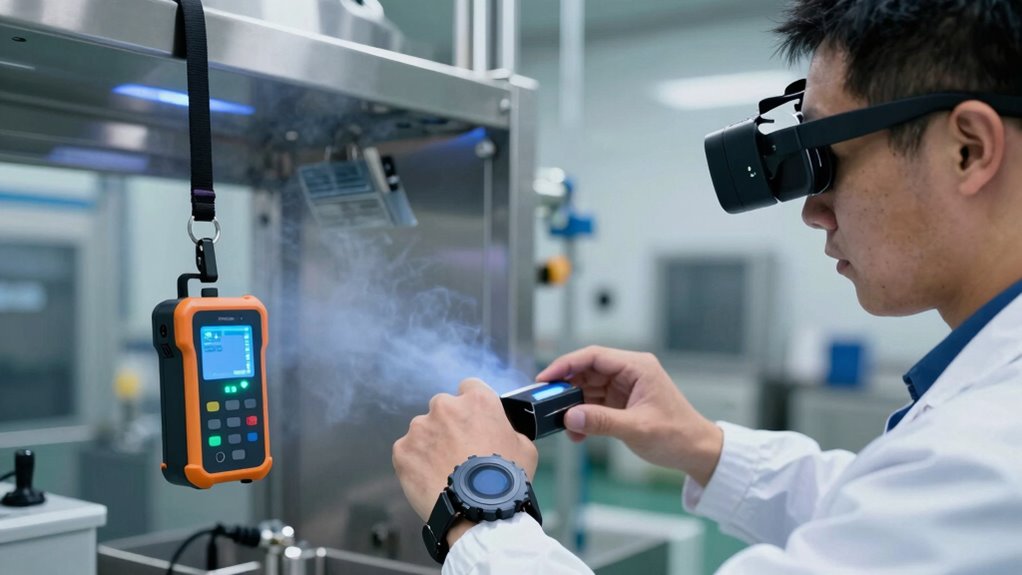
Have you ever wondered how technology is transforming industrial hygiene? The landscape is evolving rapidly, thanks to innovations like smart sensors and advanced data analytics. These tools are revolutionizing how you monitor, assess, and respond to workplace hazards. In the past, industrial hygienists relied heavily on manual sampling and spot measurements, which often provided only a snapshot of conditions. Today, smart sensors continuously gather real-time data on airborne contaminants, temperature, humidity, and other environmental factors. These sensors are small, durable, and can be integrated into the work environment seamlessly, enabling you to get immediate insights without interrupting daily operations.
With smart sensors, data analytics becomes a powerful ally. Instead of sifting through pages of raw data, you can leverage sophisticated algorithms to identify patterns, predict potential hazards, and make data-driven decisions. This proactive approach means you can address issues before they escalate, improving worker safety and compliance. For instance, if sensors detect a spike in airborne chemicals, analytics can help trace the source quickly, allowing for swift intervention. This continuous monitoring and analysis reduce reliance on periodic checks and provide a thorough picture of ongoing conditions, making your hazard assessments more accurate and timely.
Smart sensors and data analytics enable proactive hazard detection and more accurate industrial hygiene assessments.
Wearable technology complements this ecosystem perfectly. Devices like smart badges or wristbands equipped with sensors can monitor individual exposures and physiological responses. As you move through different areas of a facility, these wearables collect data that, when combined with environmental sensor information, offer a detailed understanding of personal risks. This granular insight helps you tailor safety protocols more effectively, ensuring workers aren’t just protected broadly but are shielded from specific hazards they face daily.
The integration of smart sensors and data analytics also enhances reporting and compliance. Automated data collection simplifies documentation and ensures accuracy, reducing administrative burdens. Plus, real-time alerts generated by analytics platforms can notify you immediately if safety thresholds are exceeded, enabling quick corrective actions. This immediacy minimizes downtime and exposure, ultimately fostering a safer work environment.
In essence, the fusion of smart sensors, data analytics, and wearable tech marks a new era in industrial hygiene. You’re no longer limited to reactive measures but are empowered with continuous, precise, and actionable information. This technological shift enhances your ability to predict, prevent, and respond to hazards, making industrial hygiene more efficient, reliable, and adaptive. As these innovations become more accessible and integrated, you’ll find yourself better equipped to protect workers and ensure compliance in an increasingly complex industrial landscape. Recognizing the importance of connected devices in industrial hygiene, you can leverage these technologies to stay ahead of potential risks.
airborne contaminant smart sensor
As an affiliate, we earn on qualifying purchases.
As an affiliate, we earn on qualifying purchases.
Frequently Asked Questions
How Do Wearable Industrial Hygiene Devices Ensure User Privacy?
Wearable industrial hygiene devices prioritize your privacy by implementing strong privacy measures and data security protocols. They encrypt your data to prevent unauthorized access and guarantee only authorized personnel can view sensitive information. Additionally, these devices often enable you to control what data is shared, giving you peace of mind. By adhering to strict privacy standards, these wearables protect your personal and occupational information effectively.
What Are the Limitations of Current PID Detector Technology?
Sure, your trusty PID detector struggles with sensor calibration, often leading to those pesky false alarms that make you question your environment—and your sanity. It can’t always distinguish between harmless vapors and real hazards, so you’re left doubting whether to evacuate or grab a coffee. These limitations mean current PID tech isn’t foolproof, and you keep wishing for smarter sensors that actually know what they’re detecting.
How Is Data From Wearables Integrated Into Existing Safety Protocols?
You can integrate data from wearables into safety protocols by ensuring secure data security measures and regular device calibration. As you collect real-time health and environmental data, you need to verify the devices are calibrated accurately to maintain reliable readings. Secure data transmission protects sensitive information, while seamless integration with existing safety systems allows you to respond quickly to hazards, enhancing overall workplace safety and compliance.
What Training Is Required to Operate New Industrial Hygiene Tools?
You’ll need thorough training that covers the operation of new industrial hygiene tools, including wearables and advanced detectors. Expect to meet certification standards that guarantee safety and competence. This training might seem like a mountain, but it’s essential for mastering the technology and protecting yourself and others. By completing the required courses, you’ll become confident in handling cutting-edge equipment and ensuring workplace safety, making a real difference in the field.
How Durable Are These Advanced Hygiene Devices in Harsh Environments?
These advanced hygiene devices are designed with high device durability and environmental resilience in mind, so they hold up well in harsh conditions. You can rely on them to withstand exposure to dust, moisture, and temperature fluctuations, but it’s still essential to follow manufacturer guidelines for maintenance and protective casing. Proper care guarantees they stay functional and accurate, even in demanding environments.
Conclusion
As you embrace Industrial Hygiene Tech 2.0, you’re stepping into a new frontier where sensors and wearables become your trusted compass. Just like a lighthouse guides ships safely through fog, these innovations illuminate hidden hazards, keeping you and your team safe. By harnessing this technology, you’re not just keeping pace—you’re leading the charge into a safer, smarter workplace. The future of industrial hygiene is in your hands, ready to guide you every step of the way.
Halloween Picks
halloween
As an affiliate, we earn on qualifying purchases.