Electrifying chemical processes means replacing traditional fossil fuel heat with renewable electricity, leading to cleaner, more efficient operations. You can benefit from faster heating, precise temperature control, and improved process responsiveness, which reduce energy waste and costs. This shift also boosts resilience against fuel price swings and aligns with sustainability goals. If you’re interested, exploring the latest technologies and industry trends will reveal how this progression is shaping the future of chemical manufacturing.
Open a free Amazon Business account
Business pricing, bulk buying and tax-exempt orders.
As an affiliate, we earn on qualifying purchases.
Key Takeaways
- Replacing fossil fuels with electric heating reduces carbon emissions and enhances process sustainability in chemical manufacturing.
- Electric methods like resistive and induction heating enable faster, more precise temperature control, improving product quality.
- Electrification supports energy efficiency, reduces operational costs, and facilitates integration with renewable energy sources.
- Transitioning to electric heat increases process responsiveness, modularity, and resilience against energy supply disruptions.
- Adoption of electric heating aligns with industry trends toward decarbonization, digitalization, and future-ready manufacturing.

Have you ever wondered how electrification can transform chemical manufacturing? The shift from traditional heat sources to electric power opens up a world of possibilities, especially when integrated with renewable energy.
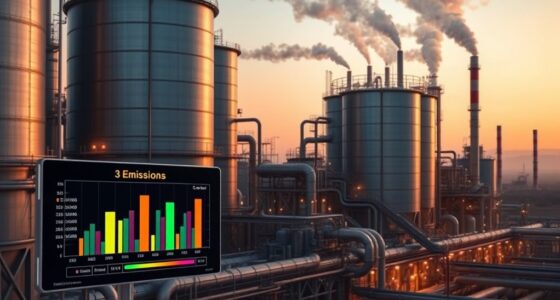
By replacing fossil fuels with electricity generated from wind, solar, or hydropower, you can considerably reduce carbon emissions and create a more sustainable process. This change isn’t just about environmental benefits; it directly impacts process efficiency, making operations leaner and more responsive.
Replacing fossil fuels with renewable electricity boosts sustainability and enhances process efficiency in chemical manufacturing.
Electric heating methods, such as resistive and induction heating, often provide faster, more precise control over temperature, which leads to fewer energy losses and better product quality. When you harness renewable energy sources for these processes, you’re not only cutting down on greenhouse gases but also enhancing the reliability and stability of your energy supply, since renewables can be scaled and stored more effectively.
This integration makes your operations more resilient to fluctuations in fuel prices and supply disruptions, ensuring smoother production cycles. Electrification also allows for better process control, which can optimize energy use at every stage. You can fine-tune heating and reaction conditions with digital precision, reducing waste and increasing yields.
As a result, your manufacturing becomes more efficient, saving time and money while lowering your environmental footprint. Plus, electric processes tend to be more modular and adaptable, enabling quick adjustments to changing market demands or raw material availability. This flexibility can help you stay competitive in a rapidly evolving industry.
The use of renewable energy aligns with global trends toward decarbonization, and adopting electric methods positions your operation as a forward-thinking leader. Furthermore, electrification can simplify maintenance since electric systems generally have fewer moving parts than traditional combustion-based equipment.
This means less downtime and lower maintenance costs over the long run. When you combine electrification with renewable energy, you’re in effect future-proofing your chemical manufacturing. Not only do you benefit from cleaner energy, but you also gain a more controllable, efficient, and resilient process.
Additionally, advancements in projector technology demonstrate how innovations can enhance efficiency and performance, which parallels improvements in electric heating systems. The transition might require initial investments and technological adjustments, but the long-term gains—cost savings, environmental impact reduction, and operational flexibility—are well worth it.
Ultimately, embracing electrification in chemical processes empowers you to create a more sustainable, efficient, and competitive manufacturing environment, aligning your operations with the clean energy future while optimizing your process performance.
electric industrial heating systems
As an affiliate, we earn on qualifying purchases.
As an affiliate, we earn on qualifying purchases.
Frequently Asked Questions
What Are the Main Technological Barriers to Electrifying Chemical Processes?
You face several technological barriers when electrifying chemical processes. Energy storage proves challenging because batteries or other storage systems must handle high temperatures and continuous operation.
Material durability is another concern, as existing materials may degrade under electric heating conditions. Overcoming these issues requires developing advanced energy storage solutions and more resilient materials, enabling reliable, efficient electric heating for chemical applications without compromising safety or performance.
How Does Electrification Impact the Safety of Chemical Manufacturing?
You might wonder how electrification affects safety in chemical manufacturing. It can improve safety by reducing flammable heat sources, but you need to update safety protocols and emergency preparedness plans.
Electric systems may introduce new electrical hazards, so regular maintenance and staff training are essential.
What Are the Economic Implications of Transitioning to Electric Heat?
You might think shifting to electric heat is costly, but it can lead to significant cost savings over time. While there are investment challenges, such as upgrading infrastructure, the long-term benefits include lower operating costs and reduced energy expenses.
How Does Electrification Influence the Environmental Footprint Beyond Emissions?
You see, electrification reduces your environmental footprint beyond emissions by enabling the use of renewable energy sources, which cuts down on fossil fuel reliance. It also promotes resource conservation, as electric systems are often more efficient and require fewer raw materials.
What Policies Are Supporting the Shift to Electrified Chemical Processes?
Oh, surely you think policies are just there for show, right? Actually, they’re actively supporting the shift to electrified chemical processes through renewable incentives and robust regulatory frameworks. These policies encourage companies to adopt cleaner technologies, reducing environmental impact.
Conclusion
By boldly bridging boundaries, you can bring about a brighter, cleaner chemical future. Electrification empowers you to eliminate emissions, enhance efficiency, and energize innovation. Embrace the evolution, ignite inspiration, and implement impactful changes. As heat hands over to electricity, you become a part of the powerful progress propelling the planet toward sustainable solutions. Take charge, transform tactics, and turn today’s thermal tasks into tomorrow’s electric triumphs.
Fall Picks
fall essentials
As an affiliate, we earn on qualifying purchases.