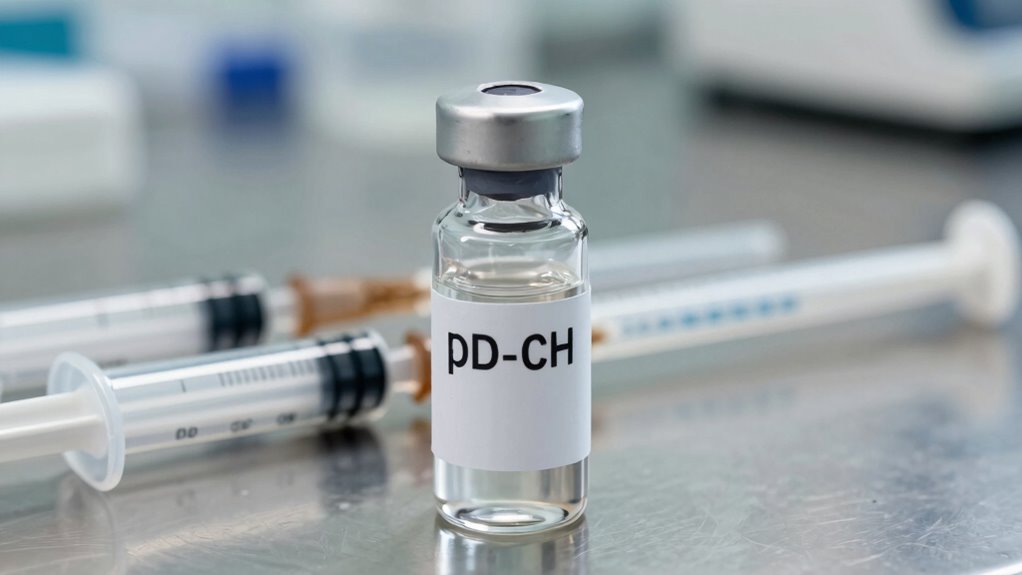

Buffer systems play a crucial role in injectable medicines by maintaining a stable pH, which helps preserve drug effectiveness and prevent chemical degradation. They regulate the solution’s environment, reducing microbial growth and oxidation. Proper buffers are selected based on compatibility and pH requirements, ensuring safety and stability throughout storage and use. By understanding how buffers support drug preservation, you’ll see how they help keep medications safe and effective from manufacturing to administration.

Get school and study supplies delivered free — and shop member deals
- Fast, free delivery on millions of items
- Access to Prime Big Deal Days deals on October 6–7
- Prime Video, Amazon Music and more included
Key Takeaways
- Buffer systems maintain a stable pH, ensuring the drug’s effectiveness and chemical stability over time.
- They prevent degradation caused by pH shifts, preserving the drug’s potency after administration.
- Proper buffer selection enhances formulation compatibility and reduces adverse reactions.
- Buffers help extend the shelf life and storage stability of injectable medicines.
- They minimize the need for excessive preservatives, improving safety and reducing irritation risks.

Have you ever wondered how injectable medicines remain stable and effective once administered? It all comes down to the careful design of their formulation, especially the use of buffer systems. These systems play an essential role in maintaining pH stability, guaranteeing the medication performs as intended. pH stability is critical because many drugs are sensitive to changes in acidity or alkalinity; if the pH shifts, the drug can degrade or become less effective. Buffer systems act like a safeguard, resisting fluctuations in pH and preserving the medication’s integrity over time.
Buffer systems ensure pH stability, preserving drug effectiveness and integrity over time.
When a medicine is prepared for injection, preserving its stability involves more than just mixing ingredients. Preservation techniques are employed to prevent deterioration caused by factors like oxidation, microbial growth, or chemical instability. Buffer systems are a key component of these techniques, as they help regulate the environment within the solution. By maintaining a consistent pH, buffers prevent the chemical reactions that could lead to degradation or inactivation of the active pharmaceutical ingredient. This consistency guarantees that, once injected, the medicine works reliably and safely.
The choice of buffer components is deliberate. Common buffers include phosphate, citrate, and acetate, each selected based on the specific pH range needed and compatibility with the drug. These buffers are added in precise concentrations to optimize stability without causing irritation or adverse reactions in the patient. The buffering capacity must be carefully balanced; too weak a buffer won’t stabilize pH effectively, while too strong may cause unwanted side effects or interfere with the drug’s action. Buffer capacity is a critical factor in ensuring optimal stability and safety. Additionally, understanding buffer systems helps pharmaceutical scientists design formulations that maximize the drugs’ shelf life and efficacy. A thorough comprehension of buffer mechanisms is essential for developing formulations that can withstand various storage conditions. Properly designed buffer systems also consider factors like ionic strength and compatibility with other formulation components to ensure overall stability.
In addition to stabilizing pH, buffer systems contribute to the overall preservation technique by enabling longer shelf life and enhancing storage stability. They help prevent microbial contamination and chemical changes that could compromise the medication’s efficacy. The stability provided by these systems also reduces the need for excessive preservatives, which can sometimes cause irritation or allergic reactions.
In essence, buffer systems are integral to guaranteeing the safety, effectiveness, and longevity of injectable medicines. They serve as a foundation for preserving pH stability, which is fundamental to the integrity of many drugs. By carefully selecting and balancing these buffers, pharmaceutical scientists can formulate injectable medicines that remain potent from manufacturing through to administration, giving you confidence in their safety and performance.
buffer solution for injectable medicines
As an affiliate, we earn on qualifying purchases.
As an affiliate, we earn on qualifying purchases.
Frequently Asked Questions
How Are Buffer Systems Selected for Specific Injectable Medications?
You select buffer systems for injectable medications based on their ability to maintain pH regulation and osmolality balance, ensuring the drug’s stability and compatibility with the body. You consider the drug’s pKa to match the desired pH, and choose buffers that won’t cause irritation or adverse reactions. Additionally, you evaluate the buffer’s capacity to resist pH changes, making sure it supports the medication’s efficacy and safety upon administration.
What Are the Potential Risks of Improper Buffer System Use?
You’re playing with fire if you don’t choose the right buffer system, risking adverse reactions and compromising patient safety. Improper buffers can cause pH shifts, leading to inflammation or tissue damage. Regulatory considerations come into play, as authorities scrutinize these choices closely. If you ignore these risks, you could face product recalls, legal issues, or harm to your reputation, making it vital to get buffer systems right from the start.
How Do Buffer Systems Affect Drug Stability Over Time?
Buffer systems directly influence drug stability over time by maintaining pH stabilization, which prevents degradation. They help guarantee chemical compatibility between the drug and its environment, reducing the risk of unwanted reactions. By controlling pH fluctuations, buffer systems extend the shelf life of injectable medicines, preserving their efficacy and safety during storage. Properly formulated buffers are essential for consistent drug performance and patient safety over the product’s lifespan.
Can Buffer Systems Cause Allergic Reactions?
Surprisingly, buffer systems can trigger allergic responses, turning your immune reactions into unexpected foes. While they stabilize pH, they might also provoke sensitivity in some individuals, causing skin rashes or swelling. It’s ironic how these carefully crafted solutions, meant to protect, can sometimes ignite immune reactions. So, yes, buffer components can cause allergic responses, reminding you that even helpful agents have their hidden risks in the delicate balance of injectable medicines.
Are There Alternative Methods to Buffer Systems in Injectables?
Yes, there are alternative methods to buffer systems in injectables, such as alternative delivery methods or pH adjustment techniques. You can use different excipients or formulation strategies to maintain stability and compatibility without relying solely on buffers. Adjusting the pH directly in the formulation helps optimize drug stability and minimize irritation, providing a safer and more effective injectable option. These approaches can reduce the risk of allergic reactions associated with buffer components.
Conclusion
Think of buffer systems like skilled navigators guiding a ship through rough waters. Just as they keep the vessel steady amid storms, buffers maintain the pH balance of injectable medicines, ensuring safety and efficacy. Without them, medications could become unstable, much like a ship tossed off course. So, next time you receive an injection, remember that behind the scenes, these tiny guardians work tirelessly—keeping your treatment smooth and predictable, like a steady ship sailing through calm seas.
Halloween Picks
halloween
As an affiliate, we earn on qualifying purchases.