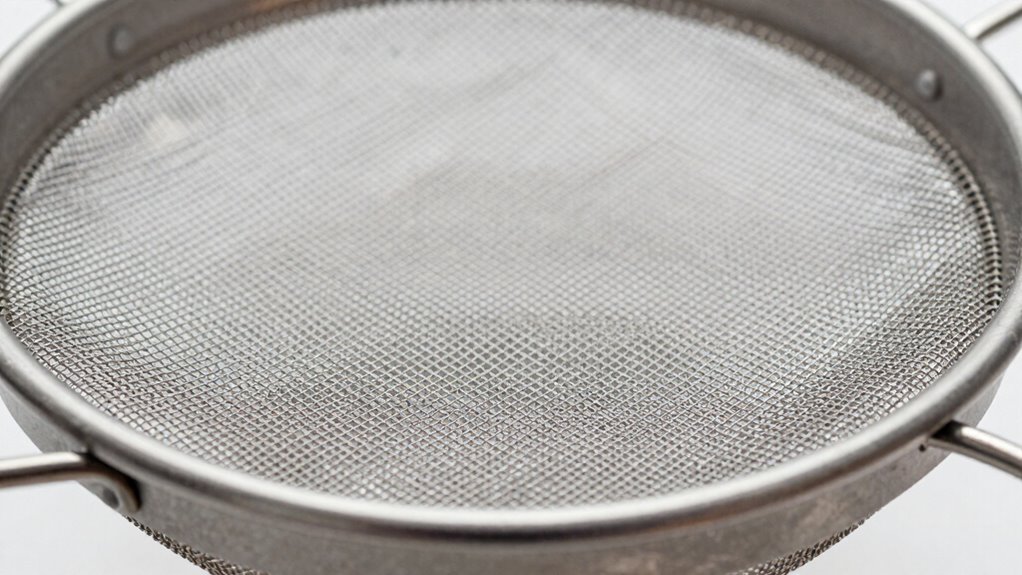

Repeatability in sieve shakers isn’t just about mesh size; it also relies on material compatibility, proper maintenance, and design features. When surfaces interact with samples, or if equipment isn’t cleaned and calibrated regularly, your results can vary. Noise reduction and external disturbances also impact consistency. Ensuring these factors are managed helps you get reliable and repeatable outcomes—stay with us to explore how each of these elements plays a crucial role in your testing process.

Get school and study supplies delivered free — and shop member deals
- Fast, free delivery on millions of items
- Access to Prime Big Deal Days deals on October 6–7
- Prime Video, Amazon Music and more included
Key Takeaways
- Material compatibility with sieve surfaces affects sample adherence and movement, impacting repeatability.
- Proper maintenance, cleaning, and calibration of the shaker ensure consistent performance over time.
- Noise and external vibrations can cause fluctuations in shaking, reducing test repeatability.
- Adjustable settings and vibration-dampening features help maintain consistent shaking conditions.
- Routine quality control and validation prevent equipment deterioration, ensuring reliable and repeatable results.
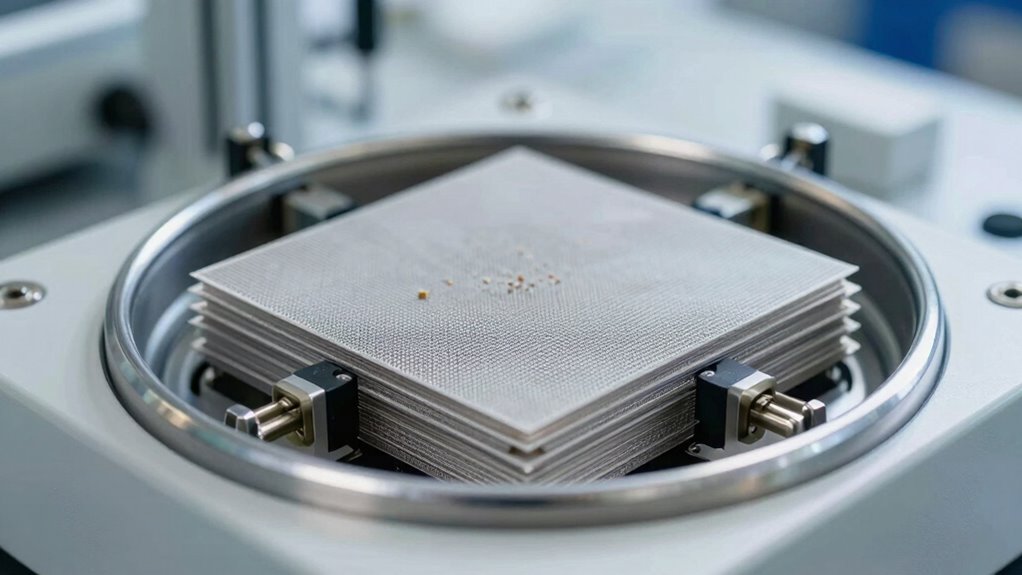
Sieve shakers are essential tools in laboratories and quality control settings, helping you efficiently sort and analyze materials by particle size. While choosing a sieve shaker, you might focus primarily on mesh size and shaking frequency, but true repeatability depends on more than just these factors. Material compatibility plays a significant role—different materials interact with the shaker differently. For example, some powders or granular substances may stick to certain sieve surfaces, affecting the consistency of your results. Selecting a sieve shaker with compatible materials—such as stainless steel, brass, or specialized coatings—ensures that your samples don’t adhere or degrade, maintaining uniformity across tests. This compatibility prevents skewed data caused by material buildup or corrosion, which can distort particle size distribution over time. Additionally, material interaction can influence how well a sample moves through the sieve, impacting the accuracy of your results. Proper maintenance and cleaning of the sieves and shaker also help sustain consistent performance and minimize variability. Regular inspections and equipment calibration are crucial for ensuring ongoing precision in your testing procedures. Incorporating proper storage practices can also help protect the equipment from environmental factors that might affect its performance and repeatability. Implementing quality control measures, such as routine testing and validation, further enhances the repeatability of your results. Noise reduction is another critical aspect that influences repeatability—it can be disruptive and might even lead you to adjust or stop the testing process prematurely. High noise levels often come from vibrations that are not well-damped or from poorly designed motors. When noise isn’t managed effectively, it can cause fluctuations in shaking intensity or duration, resulting in inconsistent sample separation. Modern sieve shakers incorporate noise-reducing features like vibration dampers, sound-insulating enclosures, or quieter drive mechanisms. These improvements allow you to operate the equipment smoothly and consistently, reducing variability caused by external disturbances or operator fatigue. Noise reduction isn’t just about comfort; it directly contributes to the precision and repeatability of your particle analysis. Moreover, selecting equipment with adjustable settings can further enhance consistency when testing different materials.
As an affiliate, we earn on qualifying purchases.
Frequently Asked Questions
How Does Sample Volume Affect Sieve Shaker Results?
Sample volume greatly impacts sieve shaker results because it influences sample consistency and the effectiveness of volume calibration. If your sample is too small, it may not accurately represent the material, leading to inconsistent results. Conversely, overly large samples can cause clogging or uneven agitation. Properly calibrated volume ensures consistent particle distribution, improving repeatability. Always match your sample volume to the sieve shaker’s specifications for reliable, repeatable outcomes.
What Maintenance Is Required for Optimal Sieve Shaker Performance?
You should regularly perform calibration procedures, check for wear and tear, and clean your sieve shaker to keep it running smoothly. Calibration guarantees accuracy, wear and tear can affect performance, and cleaning prevents dust buildup that hampers results. By maintaining these aspects consistently, you extend your sieve shaker’s lifespan, improve repeatability, and guarantee precise, reliable test outcomes every time you use it.
Are There Environmental Factors Influencing Sieve Shaker Accuracy?
Environmental conditions, like temperature, humidity, and vibration, can substantially influence sieve shaker accuracy. You should monitor these factors regularly and adjust your calibration procedures accordingly to maintain precision. For instance, guarantee the device operates in a stable environment, and perform calibration checks after any environmental change. Controlling these conditions helps prevent measurement inconsistencies, ensuring your sieve shaker provides reliable, repeatable results over time.
How Do Different Motion Types Impact Repeatability?
Different motion types markedly impact repeatability by affecting motion consistency and vibration stability. When your sieve shaker uses uniform, controlled motion, it guarantees consistent particle distribution and accurate results. Conversely, irregular or unstable vibrations can cause inconsistent particle flow, reducing repeatability. You should prioritize stable, predictable motion patterns, and proper calibration to maintain vibration stability, ultimately leading to more reliable and reproducible sieving outcomes.
Can Sieve Shakers Be Used for Wet or Sticky Materials?
You can use sieve shakers for wet or sticky materials, but be cautious—”a chain is only as strong as its weakest link.” Wet materials and sticky substances can clog or damage the equipment if not handled properly. To guarantee accurate results, choose a sieve shaker designed for wet sieving, and clean it thoroughly after each use. Proper setup minimizes issues and maintains consistent, reliable testing outcomes.
Conclusion
You might think that just swapping out mesh sizes is enough, but in reality, hundreds of tiny factors are at play—like the whisper of a breeze or a flicker of light—that can turn your perfect test into chaos. Remember, repeatability isn’t just about mesh size; it’s about the whole environment and setup working in harmony. Get those details right, or your results could be as unpredictable as a tornado in a teacup!
Halloween Picks
halloween
As an affiliate, we earn on qualifying purchases.