Gas manifold panels include essential pressure control features like pressure relief valves, check valves, and shut-off valves that prevent over-pressurization and backflow, ensuring system safety. These components automatically vent excess pressure, stop gas contamination, and enable quick shutdowns during emergencies. Properly maintained, they protect personnel and equipment while maintaining system integrity. Well-designed safety features make troubleshooting easier and boost reliability. To discover more about how these controls keep your system safe, keep exploring the details below.
Key Takeaways
- Pressure relief valves automatically vent excess pressure, preventing over-pressurization and system damage.
- Check valves prevent backflow, reducing contamination and maintaining correct gas flow direction.
- Shut-off valves enable quick isolation during emergencies, minimizing potential hazards.
- Regular maintenance and proper installation ensure safety mechanisms function reliably over time.
- Built-in monitoring and diagnostic systems provide real-time pressure data to prevent system failures.
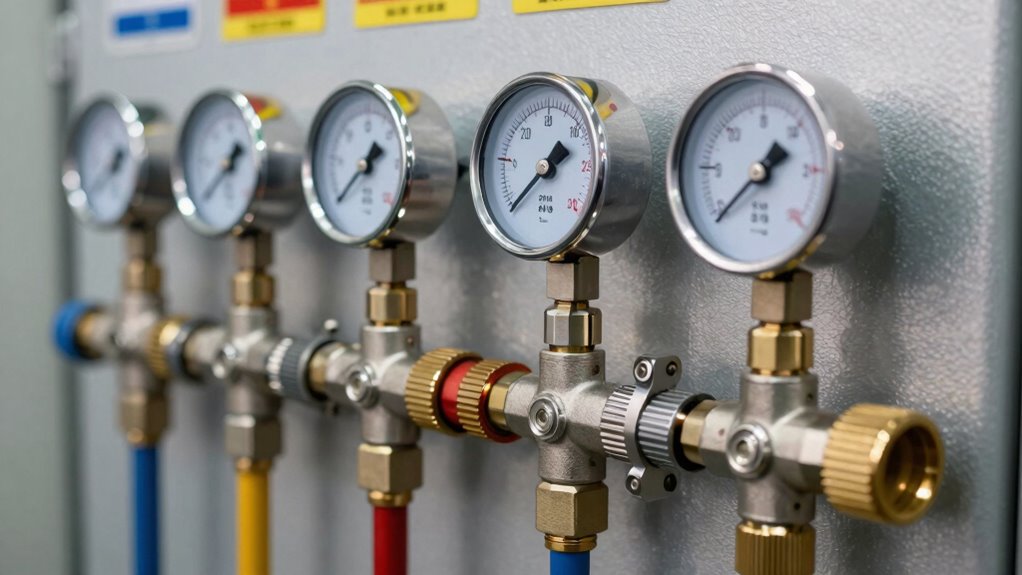
Panel safety features are equally critical. Modern gas manifold panels come equipped with safety mechanisms like pressure relief valves, check valves, and shut-off valves. These components act as safeguards against accidental over-pressurization, leaks, or backflow, which could otherwise lead to dangerous situations. For example, pressure relief valves automatically vent excess pressure, protecting both the panel and your personnel. Check valves prevent gas from flowing in the wrong direction, avoiding contamination or unwanted mixing of gases. Shut-off valves give you quick control in emergencies, allowing you to isolate sections of the system instantly. Proper installation and maintenance of these safety features are essential to ensure they function correctly over time. You’ll find that these safety features are integrated thoughtfully into the panel design, often with clear indicators and manual controls for easy operation. This integration guarantees that you can respond swiftly to any irregularities, minimizing risks and maintaining system integrity. When selecting a gas manifold panel, pay close attention to the quality of these safety features, as they are crucial in preventing accidents and ensuring compliance with safety standards. Properly maintained panels with robust safety mechanisms not only protect your staff and equipment but also enhance overall operational reliability.
Additionally, selecting panels with effective safety mechanisms can significantly reduce the likelihood of costly downtime caused by system failures. Installing panels with robust safety features can also improve compliance with strict industry regulations and standards, providing peace of mind. Furthermore, the design of the gas manifold panel should facilitate routine inspections and maintenance. Features like accessible connections, clear labeling, and built-in diagnostics can simplify troubleshooting and regular safety checks. Regular safety audits and system checks are vital for maintaining the integrity of these safety measures. Incorporating monitoring systems that provide real-time data on gas flow and pressure can further enhance safety and efficiency. By choosing a panel with exhaustive safety features and precise gas flow regulation, you create a safer environment for your team and a more reliable system for your processes. Remember, effective pressure control and safety are not just technical requirements—they are essential practices that prevent problems before they happen, saving you time, money, and potential hazards in the long run.

Camco Automatic Temperature and Pressure Relief Valve with Extension Probe and Lever | Features an All Brass Body with a Stainless Steel Pressure Spring | (10473)
Provides Protection: Helps protect your RV or home water heater from excess temperature and water pressure
As an affiliate, we earn on qualifying purchases.
As an affiliate, we earn on qualifying purchases.
Frequently Asked Questions
How Often Should Gas Manifold Panels Be Inspected?
You should inspect gas manifold panels regularly, ideally following a maintenance schedule of at least once every three to six months. During inspection procedures, check for leaks, corrosion, and proper pressure regulation. Consistent inspections help identify issues early, preventing potential problems. Adjust the frequency based on your system’s usage and environmental conditions, ensuring safety and maximum performance. Regular maintenance keeps your gas system running smoothly and safely.
What Safety Features Are Integrated Into Gas Manifold Panels?
You’ll find that gas manifold panels incorporate vital safety features like emergency shutoff valves and pressure relief devices, ensuring safety standards are met. These features allow quick response during emergencies, preventing accidents and equipment damage. The emergency shutoff quickly cuts off gas flow, while pressure relief devices release excess pressure. Together, they provide a reliable safety net, safeguarding your operations and protecting personnel from potential hazards.
Can Gas Manifold Panels Be Customized for Specific Applications?
Yes, gas manifold panels can be customized for specific applications. You can choose from various customization options, including application-specific designs that suit your unique needs. Tailored features might include specialized pressure controls, safety mechanisms, or material choices that align with your environment and gas type. By customizing your panel, you guarantee peak performance, safety, and efficiency tailored precisely to your operational requirements.
What Are Common Signs of Gas Manifold Panel Failure?
Warning signs of gas manifold panel failure include sudden gas leaks and corrosion issues. You might notice hissing sounds, unexpected pressure drops, or rust forming on the panel. These signs signal your system’s struggle and the need for swift inspection. Ignoring these symptoms can escalate to dangerous leaks or equipment damage. Stay vigilant, regularly check for corrosion, and promptly address any leaks to keep your system safe and efficient.
How Do I Troubleshoot Pressure Inconsistencies in the Panel?
To troubleshoot pressure inconsistencies, you should first check for pressure fluctuation by observing the gauges during operation. If fluctuations occur, adjust the regulator slowly to stabilize pressure. Make certain all fittings are tight and there are no leaks. If issues persist, inspect the regulator for wear or damage, and replace it if necessary. Regular maintenance and precise regulator adjustment help prevent future pressure inconsistencies.

1 PC 0° BBQ Grill Gas Valve With Thrower Valve, Stem OD 5/16", Orifice size: 1.05mm for LP Gas, Fits for 5/8" Manifold Tube
1 PC 0° BBQ Grill Gas Valve With Thrower Valve, Orifice size: 1.05mm, fits for LP Gas. 0°…
As an affiliate, we earn on qualifying purchases.
As an affiliate, we earn on qualifying purchases.
Conclusion
By paying close attention to the pressure control in your gas manifold panels, you’re fundamentally giving your system a trusted guardian angel, silently watching over every connection. When properly maintained, these panels act as the heartbeat, ensuring smooth and safe operation. Think of them as the conductor of an orchestra, guiding each component to perform in harmony. Keep them in top shape, and you’ll prevent problems before they even have a chance to make a sound.

Horiznext 3/8 inch brass mini shut off ball barb valve for water fuel hose gas line rv air tubing, straight inlet manifold petcock 3/8 fuel shut off valve (2pcs with clamps kit)
➤ Heavy duty brass 3/8 valve. Connections: 3/8 in. x 3/8 in. ID. Hose Barb.
As an affiliate, we earn on qualifying purchases.
As an affiliate, we earn on qualifying purchases.
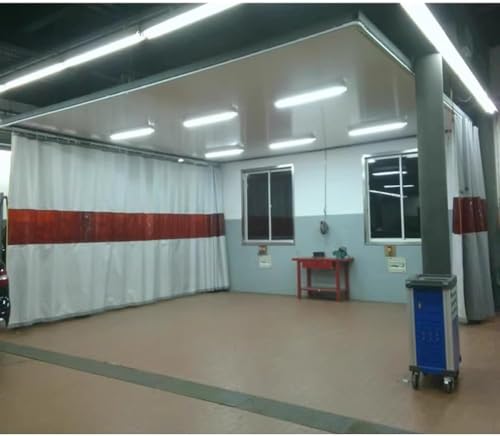
GJMDCMA UV-Resistant Welding Curtain Heavy-Duty Industrial Partition for Gas & Workshops Silenced Coated with Red Viewing Panel 3.5x2m Welding Safety Screen
This Welding Shield is crafted to safeguard against common welding sparks while ensuring a secure workspace for Welders,…
As an affiliate, we earn on qualifying purchases.
As an affiliate, we earn on qualifying purchases.