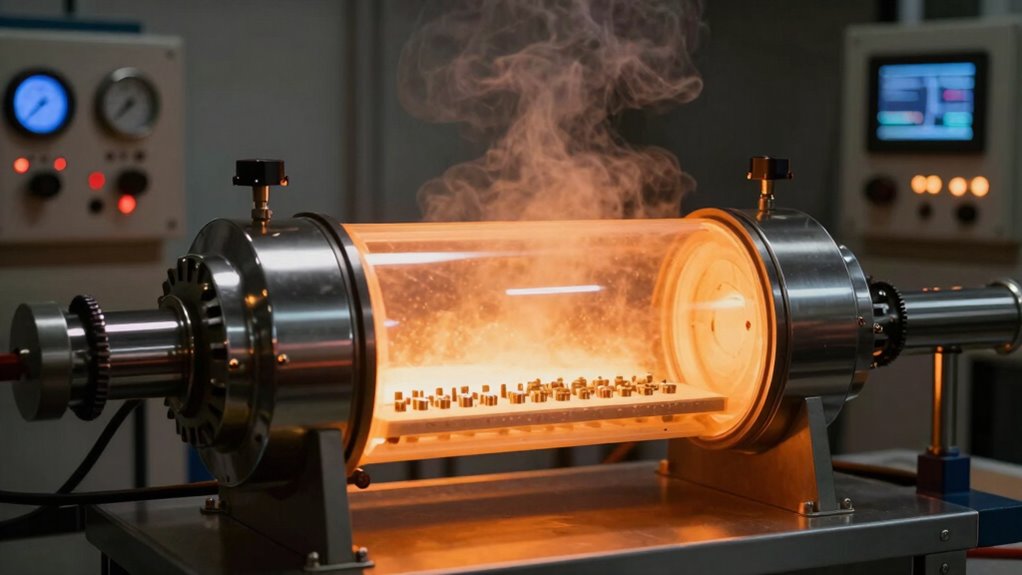

Controlling the atmosphere inside your tube furnace directly impacts your material’s chemical reactions, microstructure, and final properties. By adjusting the gas composition—such as using inert gases like argon or nitrogen—you prevent unwanted reactions like oxidation and influence phase transformations. Temperature stability also guarantees uniform processing, reducing defects and ensuring consistent results. Mastering atmosphere and temperature control transforms simple heating into precise manufacturing, essential for achieving your specific material outcomes. Keep exploring to understand how to optimize these vital parameters.

Get school and study supplies delivered free — and shop member deals
- Fast, free delivery on millions of items
- Access to Prime Big Deal Days deals on October 6–7
- Prime Video, Amazon Music and more included
Key Takeaways
- Atmosphere control influences oxidation, contamination, and chemical reactions, directly affecting material purity and properties during heat treatment.
- Adjusting gas composition alters reaction kinetics and phase transformations, leading to different microstructures and material characteristics.
- Maintaining temperature stability ensures uniform processing, preventing defects and ensuring consistent material outcomes.
- Precise atmosphere management enables tailored environments for specific reactions, optimizing final material performance.
- Overall, atmosphere control transforms basic heating into a precise process, crucial for achieving desired material qualities and high reproducibility.
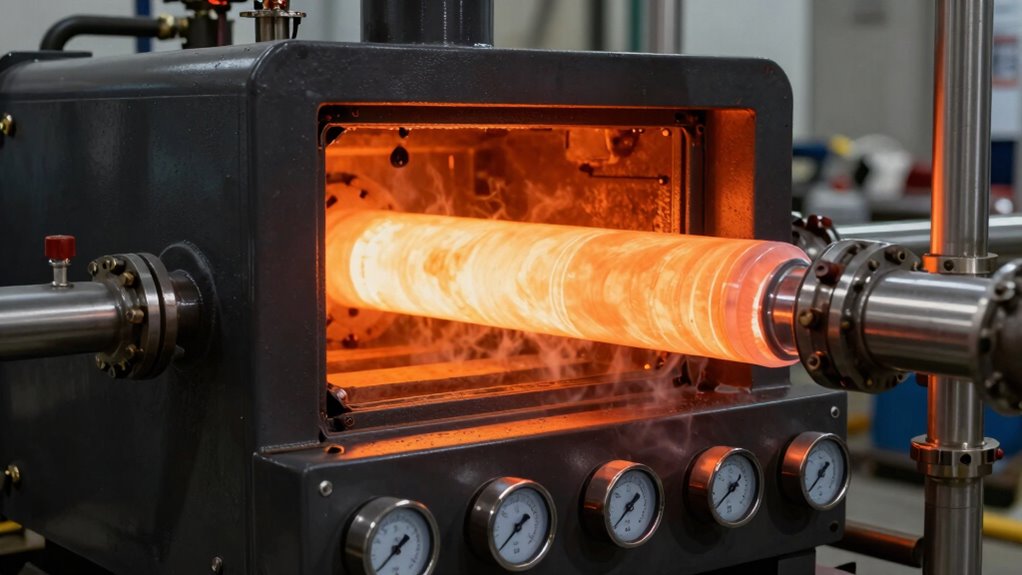
When working with tube furnaces, controlling the atmosphere inside the chamber is essential because it directly influences the properties and quality of the materials being processed. The gas composition within the furnace determines how the material reacts during heating, affecting everything from oxidation to phase transformations. For example, introducing an inert gas like argon or nitrogen can prevent unwanted reactions that would occur in an oxygen-rich environment, preserving the material’s purity and structural integrity. Conversely, a controlled oxygen level might be necessary for specific oxidation processes, so adjusting the gas mixture allows you to tailor the environment to meet your precise requirements. This level of control is fundamental because even minor changes in gas composition can lead to significant differences in the final properties of your materials. Additionally, understanding how different gases influence chemical reactions can help optimize your process parameters for better outcomes. The choice of gases can also impact the reaction kinetics, influencing the speed and pathways of chemical transformations during processing. Temperature stability is equally important in ensuring consistent results. Fluctuations in temperature can cause uneven heating, which might lead to defects such as warping, cracking, or incomplete reactions. Maintaining a stable temperature ensures uniform treatment throughout the process, which is indispensable for achieving the desired microstructure and mechanical properties. When you have precise control over temperature stability, you reduce the risk of variability from batch to batch, ensuring reproducibility and high-quality outcomes. Modern tube furnaces often come equipped with advanced temperature control systems that monitor and adjust heat levels in real-time, helping you maintain a consistent environment inside the chamber. Proper atmosphere control also helps prevent contamination, which could otherwise compromise the integrity of the final product. In fact, the selection of appropriate gases can also influence the phase transformations during heat treatment, enabling more precise control over material properties. The combination of gas composition and temperature stability forms the backbone of effective atmosphere control in tube furnaces. When you carefully select and regulate the gases involved, you influence the chemical reactions and phase changes that occur during processing. Simultaneously, guaranteeing temperature stability allows these reactions to proceed smoothly and predictably. This synergy is what enables you to produce materials with specific properties, whether you’re annealing metals, sintering ceramics, or carrying out complex chemical vapor depositions. Failing to control either aspect can lead to unpredictable outcomes, compromising the material’s performance or requiring costly reprocessing. In summary, mastering both atmosphere control and temperature regulation is key to achieving optimal material characteristics in high-temperature processing. In essence, your ability to manipulate the atmosphere inside a tube furnace—through precise gas composition and unwavering temperature stability—directly impacts the quality, consistency, and functionality of your materials. It’s a fundamental aspect that transforms a simple heating process into a finely tuned operation capable of meeting the stringent demands of advanced manufacturing and research.
tube furnace atmosphere control system
As an affiliate, we earn on qualifying purchases.
As an affiliate, we earn on qualifying purchases.
Frequently Asked Questions
How Does Atmosphere Control Impact Energy Consumption in Tube Furnaces?
Atmosphere control impacts energy consumption in tube furnaces by optimizing atmosphere purity and gas flow. When you maintain a precise atmosphere, you reduce the need for excessive heating or cooling, saving energy. Proper gas flow ensures efficient combustion or gas exchange, decreasing wasted energy. By regulating these factors, you can operate your furnace more efficiently, lowering energy costs and improving overall process sustainability.
What Are the Safety Considerations for Atmosphere Management?
You should prioritize safety by guaranteeing gas purity and regular system calibration to prevent leaks or contamination. Always verify that all connections are secure and use appropriate sensors to monitor atmosphere levels. Adequate ventilation is vital, especially when handling hazardous gases. Keep emergency shutdown procedures accessible, and train personnel thoroughly on safe operation practices. Proper atmosphere management minimizes risks, protects your staff, and assures consistent, safe furnace operation.
Can Atmosphere Control Be Automated in Tube Furnace Systems?
A stitch in time saves nine, and the same applies to automated atmosphere control in tube furnaces. Yes, atmosphere regulation can be automated, using advanced gas monitoring systems that adjust gases and flow rates in real time. This reduces human error, guarantees consistent material outcomes, and enhances safety. Automation streamlines processes, allowing you to focus on optimizing your furnace’s performance while maintaining precise control over the atmosphere.
How Does Atmosphere Composition Influence Specific Material Properties?
You’ll find that atmosphere composition directly influences material properties by affecting gas purity and atmosphere stability. For example, a pure, stable environment prevents oxidation or contamination, ensuring consistent results. If the atmosphere contains impurities, it can cause defects or alter the material’s microstructure. Controlling atmosphere composition helps you achieve desired properties like improved strength, conductivity, or corrosion resistance, making precise atmosphere management essential for ideal material outcomes.
What Are the Maintenance Requirements for Atmosphere Control Systems?
Think of maintaining your atmosphere control system like tending a garden—you need constant care. You must regularly check gas purity to prevent contamination, and perform leak detection to guarantee no unwanted air sneaks in. Replace filters as recommended, calibrate sensors, and keep detailed logs. These steps keep the system running smoothly, ensuring consistent material outcomes and avoiding costly downtime or damage. Proper maintenance is crucial for peak furnace performance.
Conclusion
By paying close attention to atmosphere control in tube furnaces, you open the subtle art of shaping material outcomes. When you gently steer the environment, you guide the reactions and properties, much like tuning a fine instrument. Embrace this delicate dance, and you’ll find your materials transforming in ways that might seem almost magical. In this quiet mastery, you discover the true potential hidden within your processes, turning simple conditions into extraordinary results.
Fall Picks
fall essentials
As an affiliate, we earn on qualifying purchases.