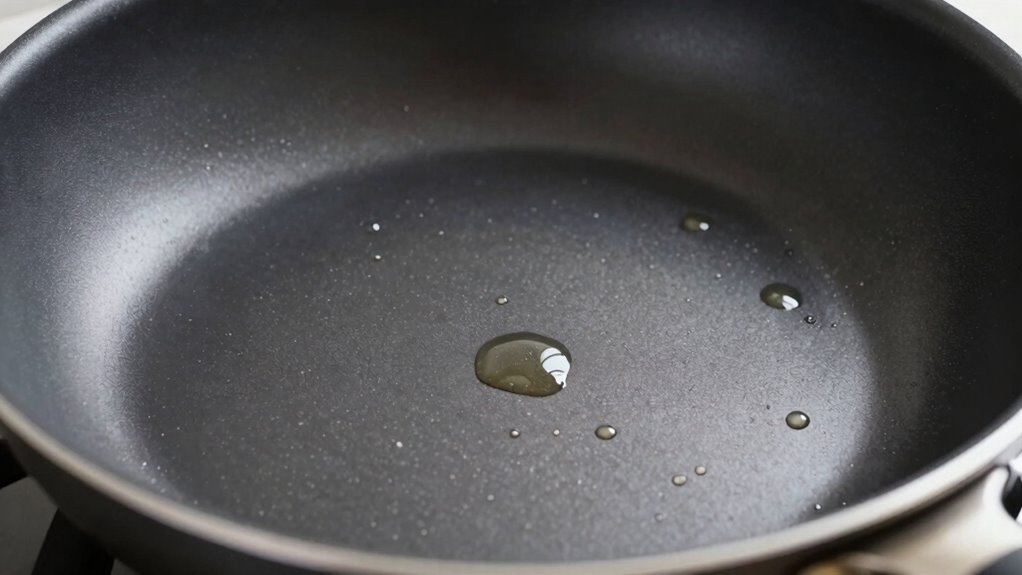
Nonstick pans work by using special coatings like PTFE or ceramic compounds that form a smooth barrier on the surface. This slick layer prevents food from sticking, making cooking and cleanup easier. Proper heat management is key; overheating can damage the coating and reduce its effectiveness. Advanced coatings are designed for better durability and heat resistance, helping the nonstick properties last longer. Keep exploring, and you’ll discover how to get the most out of your cookware.

Get school and study supplies delivered free — and shop member deals
- Fast, free delivery on millions of items
- Access to Prime Big Deal Days deals on October 6–7
- Prime Video, Amazon Music and more included
Key Takeaways
- Nonstick pans have a smooth coating, like PTFE or ceramic, that prevents food from sticking during cooking.
- The nonstick layer creates a slick surface that minimizes adhesion of food particles.
- Proper heat management maintains coating integrity and prevents deterioration or release of harmful fumes.
- Advanced coatings enhance durability, heat resistance, and ease of cleaning for longer-lasting nonstick performance.
- Avoiding metal utensils and overheating helps preserve the nonstick surface and extend the pan’s lifespan.
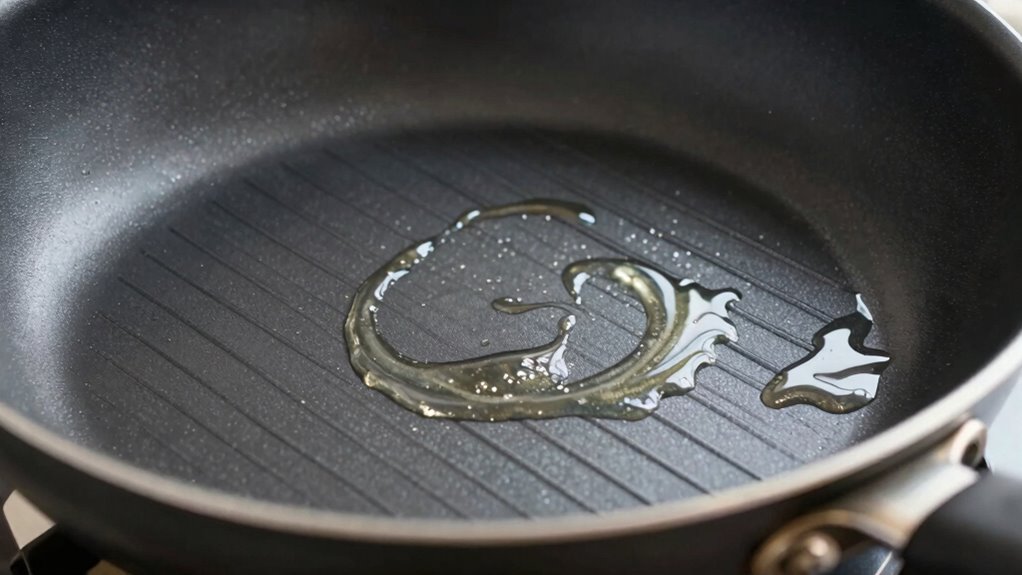
Have you ever wondered how nonstick pans keep food from clinging? It all comes down to the nonstick coating, which forms a smooth barrier on the pan’s surface. This coating is usually made from materials like polytetrafluoroethylene (PTFE), commonly known as Teflon, or newer ceramic compounds. The nonstick coating creates a slick surface that prevents food from sticking, making cooking and cleanup much easier. When you heat the pan, the nonstick layer remains stable as long as it has good heat resistance, meaning it can withstand high temperatures without breaking down or losing its nonstick properties. The heat resistance is crucial because it guarantees that the coating won’t degrade or release harmful fumes when you cook at high heat, keeping your food safe and the pan durable. Additionally, advancements in coating technology aim to improve the durability and heat resistance of nonstick surfaces, ensuring they last longer under regular use. Proper maintenance and careful cleaning can also extend the life of your nonstick coating and preserve its effectiveness over time.
The effectiveness of a nonstick pan depends heavily on this heat resistance. When the coating is designed to endure high temperatures, you can cook without worrying about damaging the surface or diminishing its nonstick qualities. For example, ceramic nonstick coatings tend to have higher heat resistance than traditional PTFE coatings, allowing you to sear, fry, or sauté with confidence. The heat resistance also helps maintain the integrity of the nonstick layer over time, preventing peeling or scratching that can occur with lower-quality coatings. Proper heat management is essential for prolonging the lifespan of your cookware, as consistent temperatures reduce stress on the coating. As long as you follow the manufacturer’s recommended temperature guidelines, the nonstick coating will perform reliably, providing a smooth surface that guarantees food slides right off. Proper heat management is crucial for extending the lifespan of your nonstick cookware.
It’s worth noting that the nonstick coating’s ability to resist heat doesn’t mean you should ignore temperature limits. Overheating a pan can still damage the coating, even if it’s designed to be heat-resistant. Excessive heat can cause discoloration, warping, or deterioration of the nonstick layer, which diminishes its effectiveness. Proper care involves using medium heat levels and avoiding metal utensils that might scratch the surface. With good heat resistance and proper use, your nonstick pan can last longer and continue to deliver those effortless releases of food. Additionally, understanding the properties of nonstick coatings can help you choose the right cookware for your needs and extend its lifespan through proper use.
nonstick frying pan PTFE coating
As an affiliate, we earn on qualifying purchases.
As an affiliate, we earn on qualifying purchases.
Frequently Asked Questions
Are Nonstick Pans Safe to Use at High Temperatures?
Nonstick pans are generally safe at high temperatures if you stay within their heat resistance limits. However, exceeding these limits can damage the nonstick coating, reducing durability and potentially releasing harmful fumes. To protect the coating’s longevity, avoid heating the pan too high and use moderate heat settings. Always follow the manufacturer’s guidelines for heat resistance, ensuring safe cooking while maintaining the nonstick surface’s effectiveness.
Can Nonstick Coatings Be Repaired if Scratched?
If your nonstick pan’s surface is scratched, the coating can’t really be repaired. Once the coating is compromised, applying a repair isn’t effective, and using the pan might release particles. To guarantee safety, it’s best to replace the pan rather than try a scratched surface coating repair. Keep your nonstick pans in good condition by avoiding metal utensils and cleaning them gently to extend their lifespan.
How Long Do Nonstick Pans Typically Last?
Nonstick pans typically last about 3 to 5 years, but durability concerns can shorten their lifespan. The coating’s longevity depends on how well you care for it—using gentle utensils and avoiding high heat helps prolong its effectiveness. Over time, scratches and wear reduce nonstick properties, so replace your pan once the coating starts to peel or becomes less effective. Proper maintenance is key to extending its lifespan.
Are Ceramic Nonstick Pans Better Than Traditional Ones?
Ceramic nonstick pans are generally better than traditional ones regarding eco-friendliness and chemical safety. Ceramic durability tends to be higher initially, but they can chip or wear down faster over time. When comparing traditional versus ceramic, ceramic pans usually offer a more natural, non-toxic coating, making them a popular choice. However, they might require more careful handling to maintain their nonstick properties.
How Should I Clean and Maintain Nonstick Cookware?
Think of your nonstick pan as a delicate dance partner; gentle cleaning keeps the rhythm smooth. Use soft sponges and mild dish soap for cleaning techniques, avoiding abrasive scrubbers that could damage the coating. For maintenance tips, avoid metal utensils and high heat, which can wear down the surface. Regularly check for scratches, and hand wash after each use to prolong its lifespan and keep your culinary partner performing at its best.
Conclusion
Now that you know how nonstick pans actually work, you can cook with confidence, knowing they’re like a smooth dance partner guiding your food effortlessly. By understanding their coating and proper use, you’ll enjoy easier cleanup and better results. Just remember, treating your pan gently is like handling a delicate flower—preserving its magic for countless meals to come. Happy cooking!
Halloween Picks
halloween
As an affiliate, we earn on qualifying purchases.