TL;DR

Prime made for students and young adults
- Fast, free delivery for dorm and study essentials
- Prime Video and Amazon Music included
- Member-only deals
Radiaverse presents a public map built from radiation readings recorded by RadiaCode detector owners as they travel. The site reports more than 50 million measurement points from 2,709 contributors, but the figures and measurement quality are not independently verified in the supplied material.
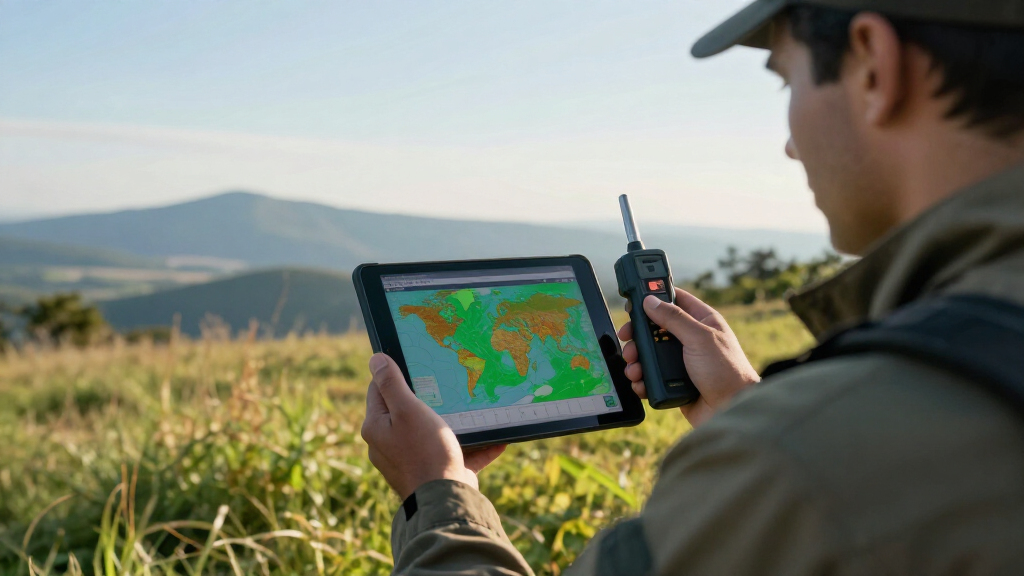
Radiaverse is presenting a public, interactive map of radiation readings recorded by owners of RadiaCode detectors, combining their location-tagged tracks into a shared view of measurements around the world. The site reports 50,030,549 dose-rate points from 20,328 tracks and 2,709 contributors; those figures are platform-reported, not independently audited in the supplied material.
The map lets visitors browse measurements from broad country coverage down to individual points, while users can publish tracks from the RadiaCode app and mark places of interest as areas with descriptions, photos or videos. Radiaverse says all map content is public and free to browse, but users need an account to publish. Tracks remain private unless a user takes a separate action to make them public.
The platform says public tracks can be shared anonymously and are delayed for 24 hours before appearing to others. It also says measurements with GPS accuracy worse than 15 metres are excluded, locations inside protected sites are removed from public view, and moderators review newly submitted areas and edits. The site describes these as its own privacy and quality safeguards; the source material does not provide an independent assessment of how consistently they work.
Radiaverse’s page lists community-recorded locations including the Goiânia cesium-137 accident sites, Budapest Research Reactor, Juomasuo, and a Fukushima location labeled as a localized high-radiation hotspot at 61.63 microsieverts per hour. These are entries in the platform’s community map, not findings independently confirmed by the source material. The site also features popular areas, recent posts, field videos and community discussion.
A Public Map Built From Individual Readings
The project makes distributed radiation readings easier to explore than isolated detector logs. Its collection of tracks, points and annotated areas could help users identify locations that merit further investigation, compare observations, or learn where community members have taken measurements. For readers, the key distinction is that this is a community data resource, not a government monitoring network or a substitute for official radiation-safety guidance.
Interpretation depends on more than a number on a map. Readings can vary with detector type, calibration, measurement conditions and location accuracy. A single high reading, including a value displayed in an area title, does not by itself establish a persistent hazard or explain its source. The map’s value will depend on transparent measurement details and careful use of context rather than treating every plotted point as a definitive assessment.
Popular right now

Vitamix Propel Series 750 Professional-Grade Blender, 4 Programs, Black

Shark Navigator Lift-Away Upright Vacuum, NV360

De'Longhi Dinamica Plus Fully Automatic Espresso Machine
As an affiliate, we earn on qualifying purchases.
How RadiaCode Tracks Reach the Map
Radiaverse describes a process that starts with a RadiaCode detector logging dose rate and location, potentially once per second during a walk, drive or flight. The owner can then publish a recording through the RadiaCode app. Once shared, the track’s points contribute to the map’s hexagonal layer, while users can describe specific places and discuss them.
The service says its coverage totals count unique cells at street resolution, so repeating the same road does not add another unique cell. Its displayed headline figures are 50,030,549 measurements, 20,328 tracks, 1,134 areas and 2,709 contributors. The page also labels activity charts for measurements and tracks per week over the previous six months, but the supplied report does not give the chart values or a comparison baseline. The totals therefore describe the site’s reported collection, not a verified measure of global radiation coverage.
““Everything on the map is public and free to browse. An account is only needed to publish.””
— Radiaverse
Limits of the Published Measurements
The supplied material does not identify an independent body that has checked the map’s measurement totals, calibrated the devices, or verified individual area descriptions. It also does not explain how differences among detectors or recording conditions are handled when readings are combined. Radiaverse’s stated GPS filter and moderation process are platform policies, not independent confirmation that every map entry is accurate.
It is also unclear how representative the contributors are geographically, how many readings come from repeated or overlapping routes, and whether the map captures locations that users do not visit. The site provides counts for measurements, tracks, areas and contributors, but no overall assessment of coverage completeness or a benchmark against official monitoring data in the supplied report.
Further Contributions and Review
Radiaverse invites detector owners to publish tracks and add descriptions of places, while visitors can browse the map and follow the community feed. The site says new areas and edits are reviewed by moderators and that signed-in users can report tracks, areas or comments. It has not announced a separate publication date, independent audit or additional validation program in the supplied material.
Readers using the map should check the details attached to a reading and consult relevant official monitoring or safety authorities when making decisions about exposure. Whether Radiaverse will publish more information about device calibration, data validation and geographic coverage remains unclear.
Key Questions
What is Radiaverse’s radiation map?
It is a public map of dose-rate readings recorded by RadiaCode detector owners and published through the Radiaverse platform. Users can browse tracks and annotated areas without an account.
How many measurements does the site report?
The page reports 50,030,549 measurement points, 20,328 tracks, 1,134 areas and 2,709 contributors. These are figures displayed by Radiaverse and are not independently verified in the supplied material.
Are users’ locations shared in real time?
Radiaverse says tracks are private by default, require separate consent to publish, can be shared anonymously, and are delayed for 24 hours before appearing publicly. The site also says it does not provide raw GPS-track downloads through public interfaces.
Does a high reading on the map prove a place is dangerous?
No. A plotted reading is a community measurement and does not, on its own, establish a persistent hazard or identify its cause. Measurement conditions, device details and official guidance matter when interpreting a value.
Source: radiaverse.com