Binder chemistry plays a crucial role in silicon anodes by ensuring strong adhesion, flexibility, and stability during volume changes. It absorbs silicon’s expansion, prevents particle cracking, and maintains good electrical contact over many cycles. When paired with solid electrolytes, the right binder improves interface stability and reduces degradation, enhancing battery lifespan. If you want to understand how different binders optimize performance and compatibility with solid electrolytes, there’s more to discover below.
Key Takeaways
- Binder chemistry influences silicon anode stability by accommodating volume changes and maintaining electrode integrity during cycling.
- Selecting flexible, strong binders enhances adhesion between silicon particles, current collector, and solid electrolytes.
- Advanced binders with covalent bonds improve interface stability and reduce capacity fade in silicon-based solid-state batteries.
- Compatibility of binder materials with solid electrolytes minimizes side reactions and promotes durable electrode-electrolyte interfaces.
- Optimized binder properties are essential for prolonging battery lifespan and ensuring safe, reliable operation of silicon anodes.

Silicon anodes have gained attention as a promising alternative to graphite in lithium-ion batteries due to their high theoretical capacity. However, integrating silicon into practical batteries presents challenges, especially regarding electrode stability and solid electrolyte compatibility. When designing silicon-based anodes, choosing the right binder chemistry is essential to maintain structural integrity and guarantee long-term performance. The binder acts as the glue holding active materials together and affixing them to the current collector, directly impacting electrode stability. A well-designed binder can accommodate silicon’s significant volume expansion during lithiation, preventing particle pulverization and loss of electrical connectivity.
In this context, the solid electrolyte plays a key role in battery performance and safety. It serves as a medium for lithium-ion transport while also influencing the electrode’s overall stability. The interaction between the binder and the solid electrolyte affects how well the electrode maintains contact with the electrolyte, which is critical for consistent ion flow. To optimize electrode stability, you want a binder that not only adheres strongly to silicon particles but also forms a compatible interface with the solid electrolyte. This interface must be stable over many charge-discharge cycles, resisting delamination or degradation that could compromise battery capacity.
Choosing the right binder involves balancing flexibility and strength. You need a material that can stretch and contract with silicon’s volume changes without cracking or losing adhesion. Traditional binders like PVDF (polyvinylidene fluoride) often fall short because they lack the necessary elasticity. That’s why researchers are exploring advanced binders, such as those based on natural polymers or functionalized binders that can form covalent bonds with silicon surfaces. These specialized binders enhance electrode stability by creating a resilient network that maintains contact even as silicon expands and contracts.
Furthermore, the binder’s chemical compatibility with the solid electrolyte influences the formation of a stable interphase, which is critical for electrode longevity. A compatible binder minimizes undesirable side reactions that can produce resistive layers or degrade the electrolyte. By carefully selecting binder chemistry, you help foster a stable solid electrolyte-electrode interface, reducing capacity fade over time. Additionally, understanding the importance of road signs and their standards can help in designing safer and more reliable battery systems by ensuring proper safety protocols are followed during manufacturing and maintenance. Ultimately, the success of silicon anodes hinges on your ability to engineer binders that support electrode stability while accommodating the dynamic nature of silicon during cycling, all within a compatible solid electrolyte environment.
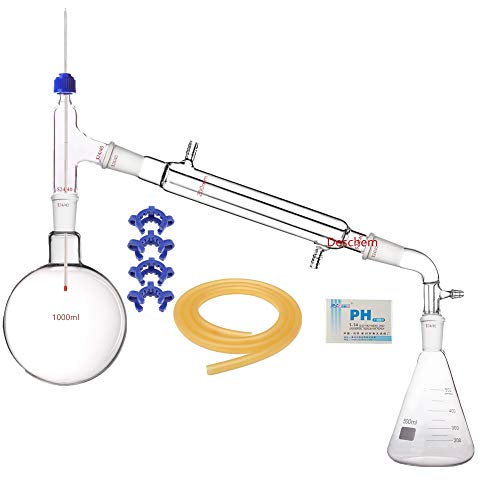
Deschem 1000ml 24/40 Glass Distillation Apparatus Vacuum Distill Kit w/500ml Erlenmeyer Flask
Be Made From G3.3 Borosilicate Glass
As an affiliate, we earn on qualifying purchases.
Frequently Asked Questions
How Does Binder Chemistry Influence Silicon Anode Lifespan?
Binder chemistry directly impacts your silicon anode lifespan by enhancing mechanical stability and resisting binder degradation. When the binder maintains strong adhesion and flexibility, it prevents cracking and detachment during charge cycles. This reduces capacity loss and extends lifespan. Conversely, poor binder stability accelerates degradation, leading to mechanical failure. Choosing the right binder chemistry guarantees your anode remains durable and efficient over many cycles, ultimately boosting battery longevity.
What Are the Environmental Impacts of Silicon Anode Production?
Imagine you’re sourcing silicon for battery production. Environmental regulations may limit resource extraction, reducing ecological harm, but production still consumes energy and water, generating emissions. These impacts can vary based on manufacturing methods and regional policies. You should consider how sustainable practices, like recycling and cleaner energy use, can mitigate environmental impacts. Balancing innovation with responsible resource management guarantees you minimize negative effects on the environment during silicon anode production.
Can Binder Materials Be Recycled From Silicon Anodes?
You can recycle binder materials from silicon anodes, especially if they’re made with binder recyclability in mind. Sustainable binders are designed for easier recovery and reuse, reducing waste and environmental impact. By implementing recycling processes, you can reclaim binders and incorporate them into new anodes, promoting a circular economy. This approach not only conserves resources but also minimizes the ecological footprint associated with battery manufacturing.
How Do Temperature Changes Affect Binder Performance in Silicon Anodes?
Temperature changes can considerably impact binder performance by affecting its thermal stability. When temperatures rise, the binder may degrade faster, leading to reduced adhesion and mechanical integrity of the electrode. Conversely, low temperatures can cause brittleness, decreasing flexibility and causing cracks. You need to carefully control operating temperatures to prevent binder degradation and maintain ideal electrode stability, ensuring the battery’s longevity and safety.
Are There Any Emerging Binder Materials for Silicon Anodes?
You’ll find that researchers are developing novel binder formulations and eco-friendly binders for silicon anodes. These emerging materials aim to improve flexibility, adhesion, and overall performance while minimizing environmental impact. By exploring biodegradable and sustainable options, they address challenges like volume expansion and stability. These innovative binders hold promise for making silicon anodes more durable and eco-conscious, paving the way for better battery technologies in the future.
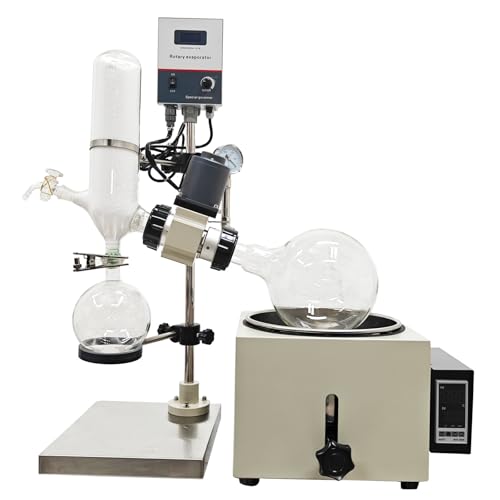
LGXEnzhuo 3L Rotary Evaporator with Digital Temp Control 0-120 RPM Vacuum Distillation System for Lab Chemical Research and Solvent Recovery – 110V
LCD Display for Real-Time Monitoring: Features an LCD screen that clearly shows rotation speed, enabling precise adjustments and...
As an affiliate, we earn on qualifying purchases.
Conclusion
By understanding silicon anodes and binder chemistry, you release the potential for higher-capacity batteries. With ongoing innovations, isn’t it exciting to think about how these advancements could transform energy storage? Embracing new materials and binder strategies can make your next project more efficient and sustainable. So, are you ready to explore the future of battery technology and harness the power of silicon for tomorrow’s energy needs?

500ML Lab Essential Oil Extraction Distillation Apparatus with Hot Stove Water Distiller Purifier Lab Glassware Kits,Alcohol Distiller
【FULL DISTILLATION KIT】- Professional 500ml essential oil distillation equipment, including almost all the stuff you need. Such as...
As an affiliate, we earn on qualifying purchases.

Distillation Head Short Path Condenser,24/40,Distillation Head Premium
G3.3 borosilicate glass
As an affiliate, we earn on qualifying purchases.