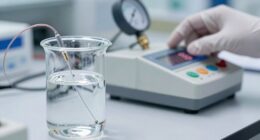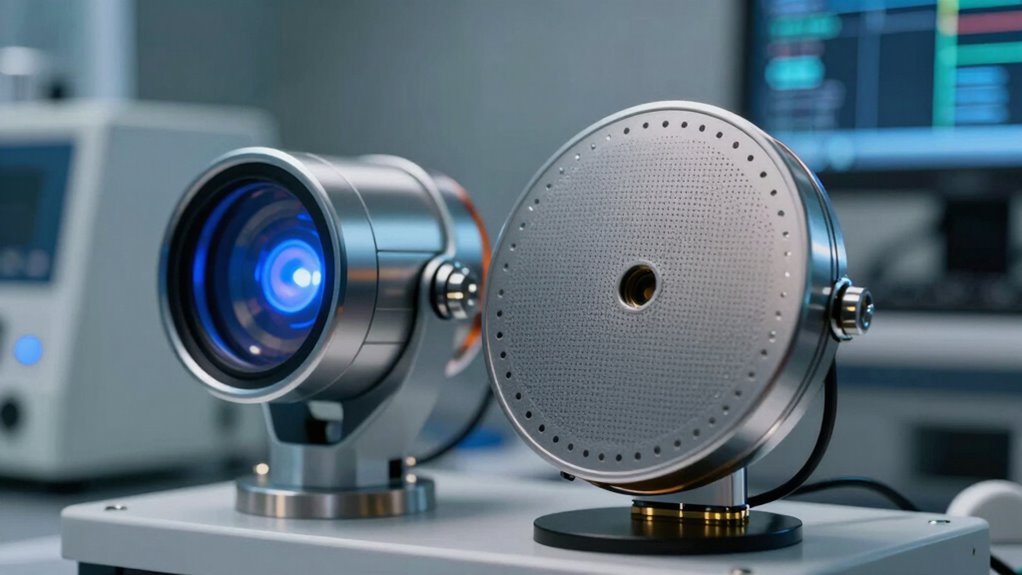

When comparing optical and membrane dissolved oxygen sensors, you’ll notice that optical sensors tend to provide more stable, accurate readings over time with less frequent calibration, while membrane sensors may drift due to membrane degradation and environmental factors, requiring more maintenance. This means data from optical sensors is generally more reliable, especially in long-term monitoring. To understand how these differences can impact your water quality results and what to reflect on for your setup, keep exploring further.
Key Takeaways
- Optical sensors offer stable, high-precision readings with less frequent calibration, reducing data variability.
- Membrane sensors are more prone to drift, requiring regular calibration and maintenance, which can cause fluctuations in data accuracy.
- Changes in sensor condition, such as membrane degradation, can lead to inaccurate dissolved oxygen measurements over time.
- Proper calibration ensures both sensor types provide consistent data, minimizing false readings and artifacts.
- Sensor type influences how environmental factors affect data stability, with optical sensors typically being more resilient.
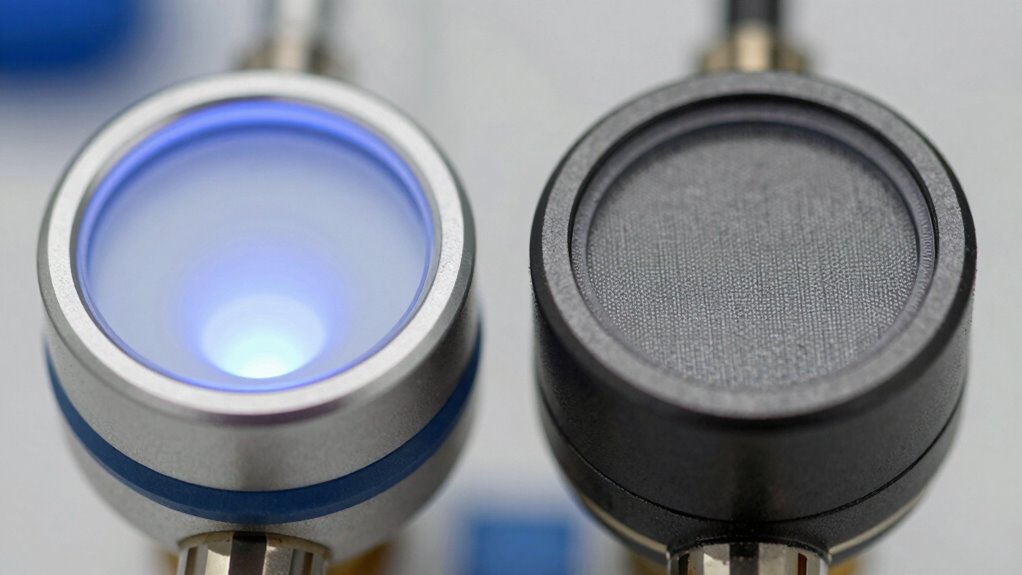
Dissolved oxygen sensors play a crucial role in monitoring water quality by measuring the amount of oxygen available for aquatic life. When you’re working with these sensors, ensuring accurate readings is essential for making informed decisions about water health. One of the most important steps toward achieving this is proper sensor calibration. Calibration involves adjusting the sensor to match known oxygen levels, which helps maintain data accuracy over time. Without regular calibration, your measurements can drift, leading to unreliable data that might misrepresent the true oxygen conditions. This can have serious consequences, especially when managing sensitive ecosystems or complying with regulatory standards. By dedicating time to calibration routines, you ensure that your dissolved oxygen readings remain precise, providing a solid foundation for water quality assessments.
Now, understanding the differences between optical and membrane sensors is vital because each type influences data accuracy in unique ways. Optical sensors use light-based technology to detect dissolved oxygen levels, offering high precision and rapid response times. Because they rely on non-consumable components, their calibration is often more stable, resulting in consistent data over longer periods. Membrane sensors, on the other hand, operate through electrochemical reactions facilitated by a membrane that separates the sensor from the water. While generally more affordable upfront, they tend to require more frequent calibration and maintenance to keep data accurate. The membrane’s condition can affect sensor performance, making regular checks vital to prevent drift and ensure measurement fidelity.
You’ll notice that the choice between optical and membrane sensors impacts not just installation but ongoing data reliability. Optical sensors typically provide more stable readings with less frequent calibration, which can save you time and reduce the risk of errors. Conversely, membrane sensors may need more attention to calibration, especially if environmental conditions fluctuate or if membranes degrade. Regardless of the type, consistent calibration routines are key to maintaining data accuracy. When you calibrate your sensors correctly and regularly, you’re more likely to detect true changes in dissolved oxygen levels, instead of artifacts introduced by sensor drift or malfunction. This reliability allows you to make better decisions, whether it’s for environmental monitoring, research, or water treatment processes.
Frequently Asked Questions
How Do Optical and Membrane Sensors Differ in Maintenance Requirements?
You’ll find optical sensors require less maintenance because they need less frequent calibration and no membrane replacements. Membrane sensors, however, demand regular calibration and membrane replacements to guarantee accuracy. You should follow specific replacement procedures for each type, making optical sensors more convenient for long-term use. In contrast, membrane sensors need more careful upkeep, but both require routine checks to maintain reliable dissolved oxygen data.
What Are the Cost Differences Between Optical and Membrane Dissolved Oxygen Sensors?
You’ll find optical sensors typically cost more upfront than membrane sensors due to higher installation costs and advanced technology. However, their lower maintenance and fewer calibration needs can save you money long-term. While membrane sensors are cheaper initially, they require frequent sensor calibration and replacement, adding to ongoing expenses. Consider your budget and long-term maintenance when choosing, as optical sensors may be more cost-effective over time despite higher initial costs.
How Do Environmental Conditions Affect Sensor Accuracy Over Time?
Environmental conditions can impact your sensor accuracy over time by causing biofouling effects and affecting calibration stability. You should regularly perform sensor calibration to maintain accuracy, especially in environments prone to biofouling, which can clog or degrade sensor surfaces. Temperature, salinity, and water chemistry also influence readings, so monitoring these factors and cleaning sensors frequently helps guarantee reliable data despite changing environmental conditions.
Can These Sensors Be Integrated With Existing Water Monitoring Systems?
Yes, these sensors can be integrated with your existing water monitoring systems. You need to check sensor compatibility with your current setup and guarantee system integration is seamless. Many optical and membrane sensors feature standard communication protocols like 4-20mA, Modbus, or SDI-12, making integration straightforward. Proper calibration and compatibility checks enhance data accuracy, so confirm these aspects before installation to optimize your water quality monitoring.
What Is the Typical Lifespan of Optical Versus Membrane Dissolved Oxygen Sensors?
You can anticipate optical dissolved oxygen sensors to last around 2 to 3 years with proper sensor calibration, maintaining high data reliability. Membrane sensors typically have a shorter lifespan, around 1 to 2 years, as their membranes degrade over time, affecting data accuracy. Regular calibration is essential for both types to guarantee consistent data quality and extend sensor longevity, especially in challenging water conditions.
Conclusion
Choosing between optical and membrane dissolved oxygen sensors can feel like deciding between night and day. Both options have their strengths, but understanding their differences helps you make the best choice for your needs. Don’t underestimate the importance of accurate oxygen data — it’s the heartbeat of water quality. By selecting the right sensor, you’re not just measuring oxygen; you’re safeguarding aquatic life and ecosystems on a scale that’s hard to imagine.