To keep an emulsion stable, you need droplets that stay evenly dispersed and resist merging over time. This relies on choosing the right emulsifiers, which lower the surface and interfacial tension between oil and water. Smaller, uniform droplets with more surface area tend to be more stable if properly stabilized. Factors like emulsifier type, concentration, and controlling interfacial tension play key roles. If you keep exploring, you’ll discover more about how to achieve lasting emulsion stability.

Prime made for students and young adults
- Fast, free delivery for dorm and study essentials
- Prime Video and Amazon Music included
- Member-only deals
Key Takeaways
- Proper emulsifier selection reduces surface and interfacial tension, promoting droplet stability.
- Smaller droplet size with a uniform distribution increases resistance to coalescence.
- Emulsifiers form a protective layer around droplets, preventing merging over time.
- Maintaining optimal emulsion conditions minimizes phase separation and enhances longevity.
- Controlling oil-water interactions ensures droplets remain dispersed and stable.
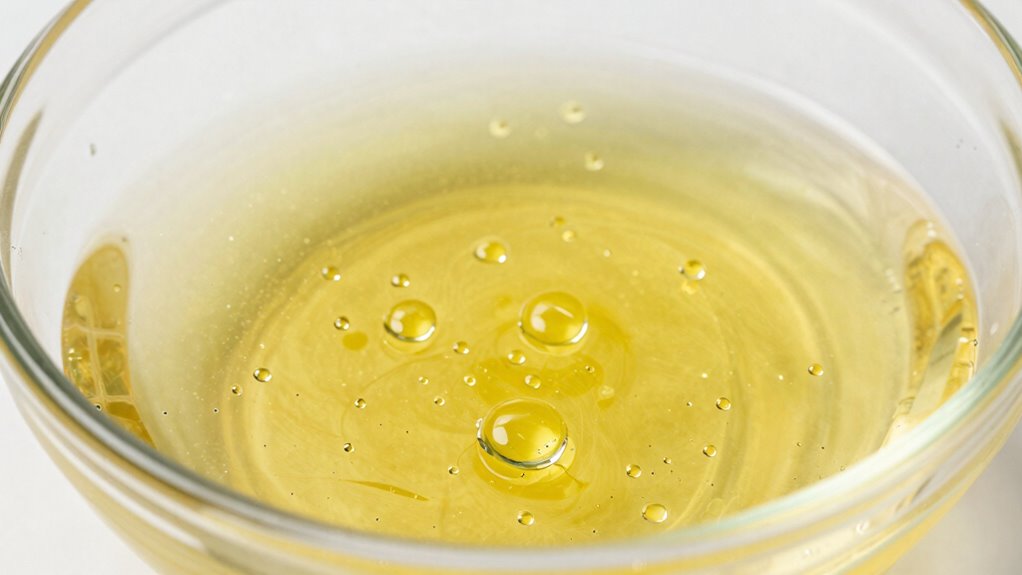
Understanding emulsion stability is essential if you want to guarantee that mixtures of immiscible liquids, like oil and water, stay combined over time. When you mix oil and water, they naturally tend to separate because of their distinct properties, mainly their oil-water interactions. To prevent this separation, you need to understand what makes an emulsion stable. Stability hinges on how well the dispersed droplets resist coalescing and separating from the continuous phase. This resistance depends heavily on the type of emulsifier you use and how it interacts with both oil and water. Proper emulsion stabilization involves controlling these factors to maintain a uniform mixture over time. Oil-water interactions are fundamental in forming a stable emulsion. These interactions determine whether droplets stay evenly dispersed or whether they merge and separate. Small droplets with a large surface area tend to be more stable if they’re properly stabilized. The key is to reduce the surface tension between oil and water, which is naturally high. Emulsifiers are molecules that lower this surface tension, allowing the formation of smaller droplets that remain suspended longer. Without proper stabilization, droplets quickly coalesce, leading to phase separation. Additionally, the interfacial tension between the two liquids plays a crucial role in how stable the emulsion remains over time. Understanding the surface-active agents involved can help in designing more effective emulsions for various applications. Recognizing the importance of interfacial phenomena helps in optimizing emulsifier types and concentrations for enhanced stability.
As an affiliate, we earn on qualifying purchases.
Frequently Asked Questions
How Does Temperature Affect Emulsion Stability?
Temperature fluctuations can markedly impact emulsion stability. When temperatures rise or fall unexpectedly, it causes phase separation by weakening the bonds between dispersed and continuous phases. You might notice the emulsion breaking or becoming inconsistent. To maintain stability, keep the emulsion at a steady temperature, avoiding extremes. Proper temperature control prevents phase separation, ensuring your emulsion remains uniform, stable, and effective over time.
Can Natural Ingredients Improve Emulsion Stability?
Did you know natural antioxidants can boost emulsion stability by preventing oxidation? You can improve your emulsion by adding botanical extracts rich in these antioxidants, which help maintain the mixture’s consistency and longevity. These natural ingredients work with other stabilizers to strengthen the emulsion, reducing separation over time. By incorporating botanical extracts, you create a more sustainable, effective product that appeals to eco-conscious consumers seeking natural skincare solutions.
What Role Do Preservatives Play in Emulsions?
Preservatives play a crucial role in emulsions by enhancing microbial safety and extending shelf life. Different preservative types, like parabens, phenoxyethanol, or natural options like rosemary extract, inhibit bacteria, yeast, and mold growth. By preventing microbial contamination, preservatives guarantee your emulsion remains effective, safe, and stable over time, reducing spoilage and maintaining quality. This active protection keeps your product safe for use and preserves its intended benefits.
How Long Can an Emulsion Remain Stable?
Think of your emulsion as a delicate dance; it can stay graceful for days or falter into chaos. Usually, it remains stable for weeks or months if properly formulated and stored. But beware—the slightest disturbance can cause emulsion breakdown, leading to phase separation. Factors like temperature, agitation, and preservatives influence this. With proper care, you can extend its harmony, keeping your emulsion vibrant and effective longer.
Are There Differences in Stability Between Homemade and Commercial Emulsions?
Yes, homemade emulsions often differ in stability compared to commercial emulsions. Commercial versions usually contain stabilizers, preservatives, and precise formulations that enhance longevity and consistency. Homemade emulsions, on the other hand, rely on natural ingredients and techniques, making them less stable and more prone to separation over time. If you want your homemade mixture to last longer, consider adding natural stabilizers or using proper mixing techniques to improve stability.
Conclusion
In the world of emulsions, stability is your trusty ship steering through choppy waters. By choosing the right emulsifiers, controlling droplet size, and maintaining proper conditions, you keep your mixture from falling apart like a house of cards. Think of it as crafting a delicate dance where each step matters. When you master these elements, your emulsion stays steady, like a loyal friend, ready to perform beautifully under pressure.
Fall Picks
fall essentials
As an affiliate, we earn on qualifying purchases.