
TL;DR

Get school and study supplies delivered free — and shop member deals
- Fast, free delivery on millions of items
- Access to Prime Big Deal Days deals on October 6–7
- Prime Video, Amazon Music and more included
India has a seismic warning system that can detect early signs of earthquakes but cannot predict them in advance. This system provides alerts seconds before shaking, helping mitigate damage. Its capabilities and limitations are often misunderstood, impacting public expectations.
India’s seismic warning system, designed to detect early signs of earthquakes, does not predict earthquakes before they occur. Instead, it provides seconds-long alerts based on real-time seismic activity, helping authorities and populations respond more quickly. This clarification addresses widespread misconceptions about the system’s predictive capabilities and explains why it remains a crucial but limited tool for disaster preparedness.
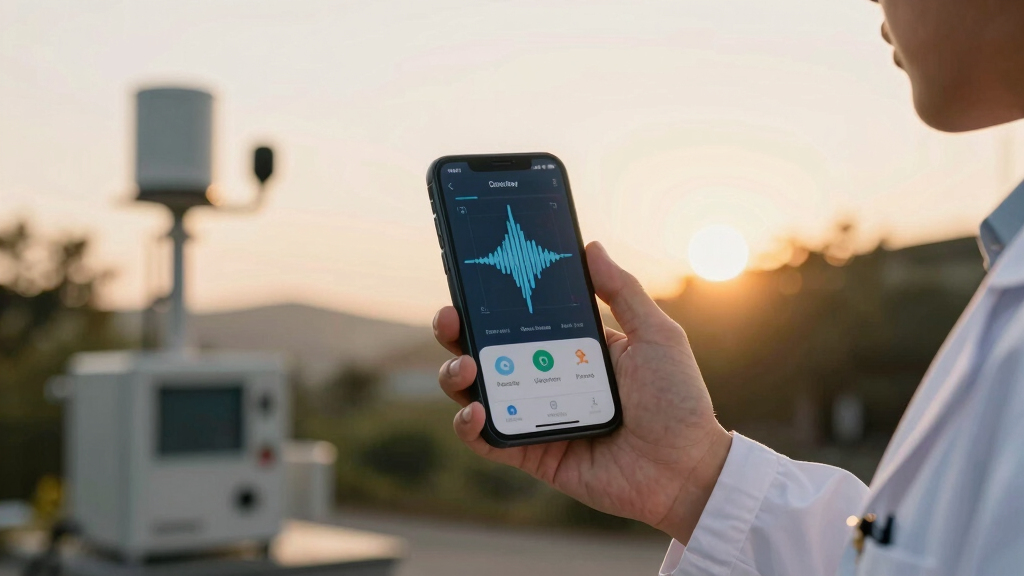
The Indian government has deployed a network of seismic sensors across the country, primarily along the Himalayan belt and seismic hotspots. According to officials from the Indian Meteorological Department (IMD), these sensors can detect initial seismic waves—P-waves—that travel faster than the destructive S-waves and surface waves.
Once these initial waves are detected, the system can generate alerts ranging from a few seconds to a minute before the more damaging waves arrive. This allows for immediate actions like shutting down critical infrastructure, alerting the public, and halting sensitive operations. However, officials emphasize that the system cannot predict earthquakes hours or days in advance, as it relies on real-time detection rather than forecasting based on geological models.
Experts note that the system’s primary purpose is early warning, not prediction. Dr. Anil Kumar, a seismologist at the Indian Institute of Technology, explained, “What this system does is real-time detection of seismic activity, which can give us seconds to prepare. It cannot forecast earthquakes before seismic activity begins.”
Why India’s Earthquake Warning System Is Important for Disaster Management
This system enhances India’s ability to respond swiftly during an earthquake, potentially saving lives and reducing infrastructure damage. Understanding its actual capabilities helps manage public expectations and encourages complementary preparedness measures. While it cannot prevent earthquakes, early alerts can facilitate timely evacuations and shutdowns, minimizing casualties and economic losses.
As an affiliate, we earn on qualifying purchases.
India’s Seismic Monitoring: Development and Limitations
India is situated along the Himalayan seismic belt, making it prone to earthquakes. Over the past decade, the government has invested in seismic monitoring infrastructure, including the deployment of the Indian Earthquake Early Warning System (IEEWS). The system leverages a network of over 600 seismic sensors across vulnerable regions, aiming to provide rapid alerts.
Despite technological advances, experts acknowledge that earthquake prediction remains a scientific challenge worldwide. The Indian system’s focus on early warning rather than prediction aligns with global best practices, but misconceptions persist among the public and policymakers about its capabilities.
“This system detects seismic waves in real time and can give us seconds to respond, but it cannot forecast earthquakes days or weeks in advance.”
— Dr. Anil Kumar, Seismologist at IIT
Limitations in Earthquake Prediction and Public Expectations
It remains unclear how effective the warning system has been in recent earthquakes, as comprehensive data on its performance during actual events is limited. Additionally, the extent to which the system can provide reliable alerts in different regions and under various seismic conditions is still being evaluated. There are ongoing debates about whether technological improvements can extend warning times or enable some form of prediction in the future.
Future Improvements and Public Awareness Campaigns
Authorities plan to expand the seismic sensor network and improve data processing algorithms to enhance warning accuracy and speed. Efforts are also underway to educate the public about the system’s capabilities and limitations, reducing misconceptions about earthquake prediction. Researchers continue to study seismic patterns to explore potential advances in early warning technology, but prediction remains a scientific challenge.
Key Questions
Can India’s earthquake warning system predict earthquakes days in advance?
No, the system cannot predict earthquakes days or weeks ahead. It detects seismic waves in real time to provide seconds-long alerts during an ongoing event.
How does the warning system work?
The system uses a network of seismic sensors to detect initial seismic waves (P-waves). Once detected, it issues alerts seconds before the more destructive waves arrive, allowing for immediate response measures.
What are the limitations of this system?
It cannot forecast earthquakes before seismic activity begins and depends on the speed and accuracy of real-time detection. Its effectiveness varies based on regional seismic activity and sensor coverage.
How does this system help in reducing earthquake damage?
By providing early alerts seconds before the destructive waves arrive, it allows authorities and individuals to take protective actions, such as evacuations and shutting down critical infrastructure, thereby reducing casualties and damage.
Are there plans to improve earthquake prediction in India?
While efforts are ongoing to enhance early warning capabilities, accurate prediction of earthquakes remains a scientific challenge. Future improvements aim to increase warning times and accuracy, but prediction itself is not currently feasible.
Source: google-trends
Fall Picks
fall essentials
As an affiliate, we earn on qualifying purchases.