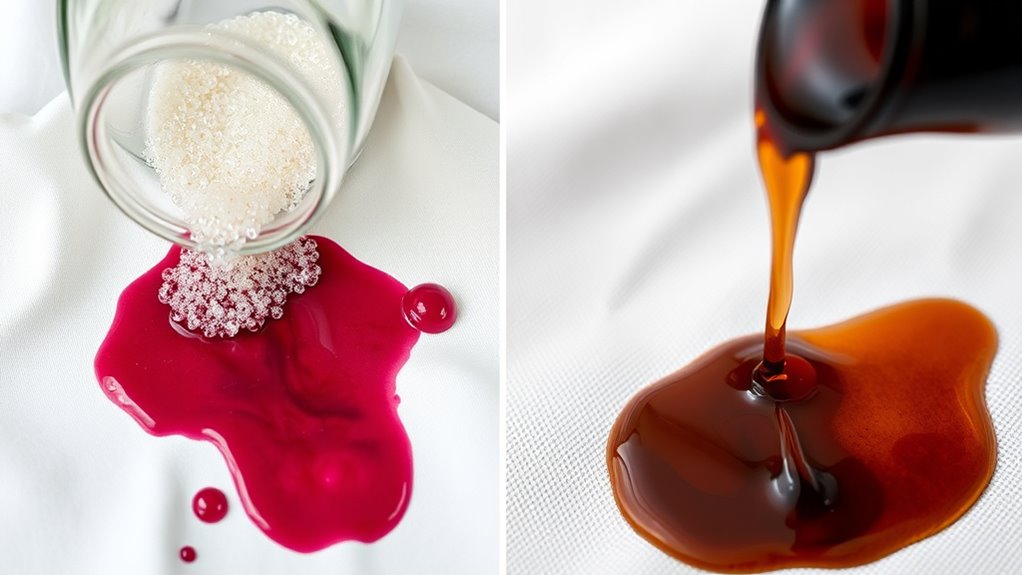

Enzyme-based stain removers are great for breaking down organic stains like blood, sweat, or food, working gently and safely on many fabrics. Solvent-based products act quickly on greasy or stubborn stains, but they can be harsher and risk fabric damage or fumes. If you want an eco-friendly, gentle approach or have delicate materials, enzymes are a smart choice. For tougher, oily stains, solvents might be more effective—more details await to help you choose the best option.

Prime made for students and young adults
- Fast, free delivery for dorm and study essentials
- Prime Video and Amazon Music included
- Member-only deals
Key Takeaways
- Enzymes target organic stains gradually and safely, ideal for delicate fabrics; solvents dissolve greasy stains quickly but may damage materials.
- Enzyme-based removers are eco-friendly, biodegradable, and gentle, while solvent-based options contain chemicals that emit fumes and pose health risks.
- Enzymes excel at breaking down complex organic molecules, whereas solvents are more effective for heavy-duty, oily, or stubborn stains.
- Enzymes require patience and time to work effectively, whereas solvents provide rapid stain removal but with higher safety considerations.
- The choice depends on fabric type and stain nature: enzymes for delicate, organic stains; solvents for tough, greasy stains.
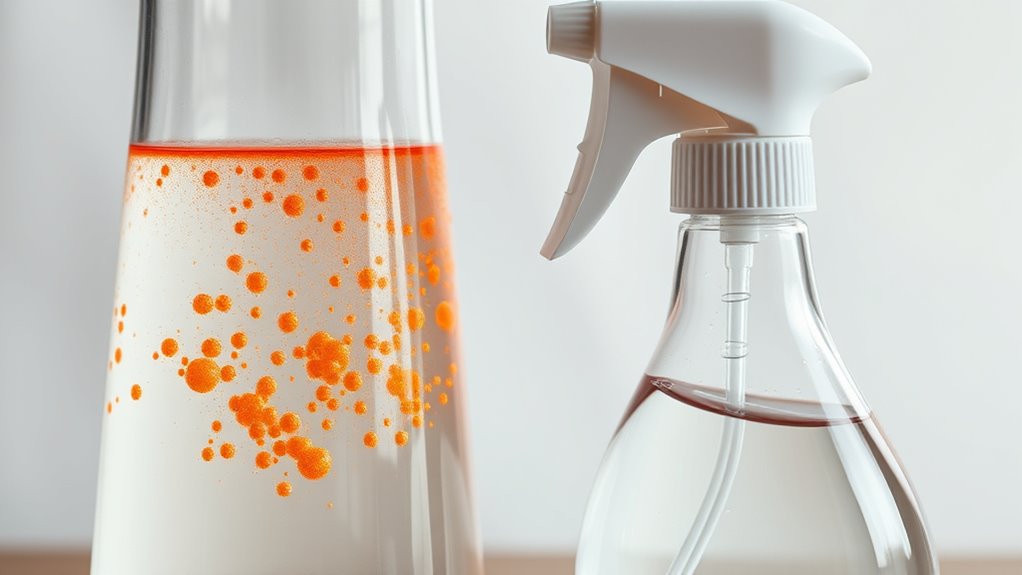
Stain removers are essential tools for keeping your clothes and fabrics looking their best. When choosing the right product, understanding how they work can make a big difference in your laundry routine. Two main types of stain removers are enzyme-based and solvent-based formulas. Each has unique strengths, and knowing their differences helps you decide which one suits your needs best.
Enzymes are proteins that break down specific stain molecules, especially organic stains like blood, sweat, grass, and food. Their enzyme effectiveness lies in their ability to target particular types of stains, making them highly effective for organic messes. You’ll notice that enzyme-based stain removers work gradually but thoroughly, often requiring a bit of time to fully lift stains. They excel at breaking down complex molecules into smaller, soluble parts that can be washed away easily. Because enzymes are biological, they tend to be gentle on fabrics, which makes them safe for a wide range of materials when used correctly. However, it’s important to contemplate solvent safety, especially if you’re dealing with delicate fabrics or sensitive skin. Enzyme-based products usually don’t contain harsh chemicals, making them a safer choice for many users. They are less likely to cause damage or discoloration compared to some chemical solvents, and they’re biodegradable, adding an eco-friendly advantage. Additionally, advances in on-device AI capabilities are enabling more precise formulations that optimize enzyme activity for various stain types.
On the other hand, solvent-based stain removers rely on chemicals like petroleum derivatives or other solvents to dissolve stains quickly. These are especially effective at tackling greasy or oily stains, such as makeup, motor oil, or food fats. Solvent safety can be a concern here since some of these chemicals are potent and may emit fumes or cause skin irritation if not handled properly. They are often used for heavy-duty stain removal, especially when quick action is needed. However, because solvents can be harsh, you need to be cautious about their use on delicate fabrics and always follow the manufacturer’s instructions. While solvents can be very effective at removing stubborn stains, their safety profile is less benign than enzymes. They may also pose environmental risks if not disposed of properly.
enzyme stain remover for organic stains
As an affiliate, we earn on qualifying purchases.
As an affiliate, we earn on qualifying purchases.
Frequently Asked Questions
Are Enzyme-Based Stain Removers Safe for All Fabrics?
Enzyme-based stain removers aren’t safe for all fabrics. You should check fabric compatibility first, as enzymes can damage delicate or non-porous materials like silk, wool, or certain synthetics. They’re most effective on protein-based stains like food or blood, but using them on incompatible fabrics might cause discoloration or weakening. Always read labels carefully and test on a small area to avoid damaging your clothing.
How Long Do Enzyme Stain Removers Take to Work?
Imagine enzymes as tiny workers rushing to activate and penetrate deep into the stain; they typically take about 30 minutes to a few hours to fully work. The time varies depending on stain type and fabric. For best results, follow the product instructions, keeping the area moist to help enzymes stay active. Patience pays off, as enzyme activation gradually breaks down stains, leaving your fabric fresh and clean.
Can Solvents Damage Delicate or Sensitive Materials?
Yes, solvents can damage delicate or sensitive materials. They may compromise chemical resistance and material compatibility, leading to discoloration, weakening, or deterioration. You should always test a small, hidden area first before applying a solvent to a larger surface. If you’re unsure, opt for gentler cleaning methods or enzyme-based removers, which are usually safer for delicate fabrics and sensitive materials.
Are Enzyme Cleaners Effective on All Types of Stains?
Enzyme cleaners aren’t effective on all types of stains because enzyme efficacy depends on stain specificity. They work best on organic stains like food, blood, and grass, breaking down proteins and fats. However, for synthetic or inorganic stains such as grease, ink, or rust, enzymes may struggle. Always check the stain type and the cleaner’s instructions to guarantee you’re using the right product for the job.
What Are the Environmental Impacts of Using Solvents?
Using solvents can pose significant environmental impacts. You should be aware of the chemical hazards they present, as many contain toxic compounds that can harm wildlife and human health. Additionally, solvents have a high pollution potential, often contaminating water sources and contributing to air pollution. When you choose solvent-based products, you contribute to environmental degradation, so opt for eco-friendly alternatives whenever possible to reduce your ecological footprint.
Conclusion
When choosing between enzymes and solvents, consider your stain type and fabric. Enzymes break down organic stains naturally, making them eco-friendly, while solvents tackle stubborn, synthetic dyes effectively. Did you know that over 60% of household stain removers now incorporate enzymes? This shows a shift towards safer, environmentally conscious cleaning. So, next time you’re faced with a stain, pick the method that matches your needs—your clothes and the planet will thank you.
Evergreen bestsellers Picks
bestsellers
As an affiliate, we earn on qualifying purchases.