Soda goes flat because the carbon dioxide gas escapes from the liquid, especially when the bottle is opened or handled improperly. Factors like weak seals, bottle shape, and material affect how long carbonation stays. Warm temperatures cause CO₂ to escape faster, while keeping the soda cold helps it stay fizzy longer. Shaking or agitation also releases gas more quickly. If you want to learn how to keep your soda bubbly, keep exploring these key points.

Prime made for students and young adults
- Fast, free delivery for dorm and study essentials
- Prime Video and Amazon Music included
- Member-only deals
Key Takeaways
- Opening releases pressure, allowing dissolved CO₂ to escape, causing the soda to go flat.
- Weak or flawed seals let gas escape more easily, reducing carbonation over time.
- Warmer temperatures decrease CO₂ solubility, speeding up fizz loss.
- Shaking or agitating the bottle temporarily increases internal pressure, leading to faster carbonation loss.
- Plastic bottles are more permeable, allowing CO₂ to escape quicker than glass bottles.
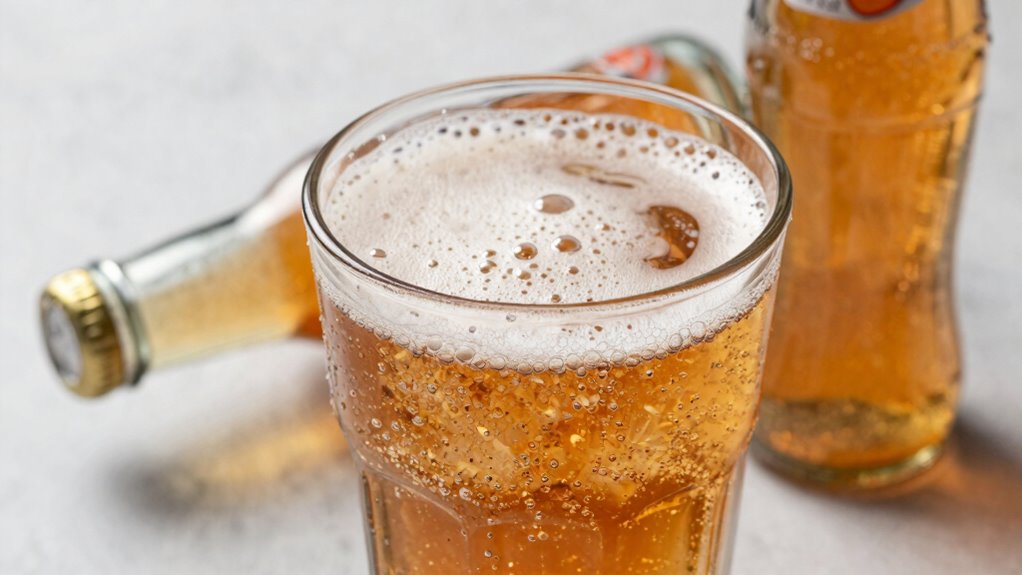
Ever wondered why your soda loses its fizz so quickly? It all comes down to how carbon dioxide, the gas responsible for those lively bubbles, interacts with the bottle design and your handling. When you open a bottle of soda, you’re releasing the pressure that keeps the carbon dioxide dissolved in the liquid. But even after opening, if the bottle isn’t sealed tightly or if it’s been opened multiple times, the gas starts to escape more readily, causing the soda to go flat faster. The design of the bottle plays an essential role here. Bottles with a good seal help trap the carbon dioxide better, keeping the soda fizzy longer. Conversely, bottles with weak caps or flawed sealing mechanisms let the gas escape more easily, diminishing the bubbly experience.
The shape and material of the bottle also matter. Plastic bottles tend to be more permeable to gases than glass, meaning they allow some carbon dioxide to seep out even when sealed tightly. Over time, this gradual escape reduces the carbonation level. The design of the bottle’s neck and cap influences how well the gas is contained. A tightly sealed cap creates a barrier that prevents the carbon dioxide from escaping, but if it’s loose or damaged, the soda will go flat sooner. Furthermore, the way you handle the bottle impacts carbonation retention. Shaking or agitating the bottle increases internal pressure temporarily, and when opened, more gas escapes quickly, making the soda flat faster. Proper storage conditions and careful handling can help slow down this process and keep your soda bubbly longer. Additionally, proper sealing techniques are crucial for maintaining carbonation once the bottle is opened. Proper venting methods can also help release excess pressure without losing too much carbonation, especially when resealing the bottle.
Temperature also influences carbon dioxide retention. Cold soda retains its bubbles longer because colder temperatures increase the solubility of carbon dioxide, meaning more gas stays dissolved in the liquid. If you leave your soda in a warm place or take it out of the fridge, the carbon dioxide becomes less soluble and starts escaping more rapidly, causing the soda to lose its fizz. This is why keeping your soda chilled right up to the moment of drinking helps maintain its carbonation. Proper storage techniques can significantly extend the life of your soda’s bubbles, especially when considering factors like temperature control and handling.
As an affiliate, we earn on qualifying purchases.
Frequently Asked Questions
How Does Carbonation Affect Soda’s Flavor Over Time?
Carbonation impacts soda’s flavor over time by causing flavor degradation through chemical reactions. As carbon dioxide escapes, the soda loses its fizz, making it taste flatter and less vibrant. You’ll notice a change in sweetness and overall flavor quality as these reactions occur, diminishing the original taste experience. To enjoy the best flavor, it’s best to drink soda soon after opening, before carbonation diminishes and chemical reactions alter the flavor profile.
Can Adding Ice Make Soda Go Flat Faster?
Imagine you’re in a bustling 1920s speakeasy—adding ice to your soda can cause it to go flat faster. The cold melts and increases pressure, forcing carbonation out. Ice dilutes flavor retention and, combined with an imperfect bottle design, accelerates flatness. To keep your soda fizzy longer, store it upright in a cold, stable environment, and avoid adding ice until you’re ready to enjoy it.
Does the Type of Bottle or Can Impact Carbonation Retention?
Yes, the type of bottle or can impacts carbonation retention. Bottle material matters; glass and thicker plastic bottles hold carbonation better than thin plastics, which may allow gas to escape more easily. Can design also influences this—specialized can shapes and seals help keep bubbles in longer. You’ll find that well-designed cans and sturdy bottles help soda stay fizzy longer, ensuring you enjoy that invigorating experience without it going flat too quickly.
How Does Temperature Influence Soda’s Fizziness?
When you chill your soda, it stays fizzy longer, but heat is the enemy. Warmer temperatures cause pH levels to shift, increasing the rate at which dissolved gases escape, making your soda go flat faster. You might notice the bubbles disappear suddenly—it’s a tense moment. Keep your soda cold, and you’ll preserve those lively bubbles, maintaining the perfect fizzy experience you’re craving. Temperature truly controls the dance of dissolved gases.
Are There Specific Ingredients That Cause Soda to Lose Carbonation?
Certain ingredients, like sodium benzoate and potassium sorbate, can cause soda to lose carbonation through ingredients interaction. These preservatives may weaken the carbonation’s stability, leading to faster flatness. Additionally, acids like phosphoric or citric acid can influence how well the carbon dioxide stays dissolved. When these ingredients interact or alter the soda’s pH, they can reduce carbonation, making your soda go flat more quickly.
Conclusion
Just like the story of Icarus, who flew too close to the sun, your soda’s bubbles escape when you leave the cap off. Remember, keeping it sealed traps the carbonation, preserving that fizzy delight. So next time, think of your soda as a precious winged creature—care for it, and it’ll stay lively longer. With a little care, you can enjoy that bubbly magic as if you’ve captured a fleeting moment of joy.
Columbus Day / Indigenous Peoples' Day Picks
long weekend sales
As an affiliate, we earn on qualifying purchases.