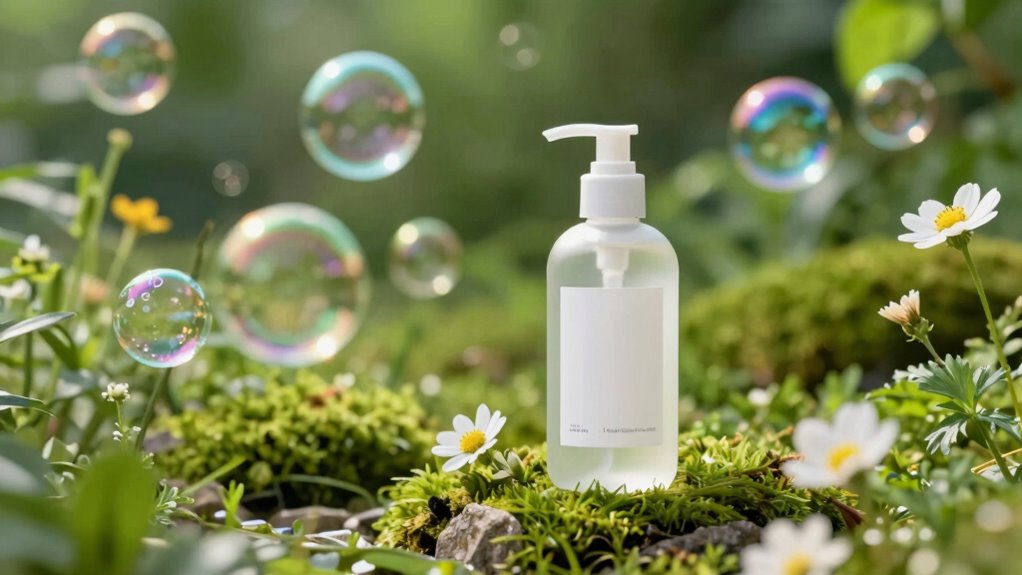

Greener surfactants are better because they break down faster and are made from sustainable, renewable sources like plant oils or sugars. They minimize environmental harm by reducing pollution, supporting healthier ecosystems, and lowering greenhouse gas emissions. By choosing biodegradable options, you help protect water and soil from long-term contamination. If you’re interested in understanding how these eco-friendly alternatives make a difference, there’s more to discover about their benefits and impact.

Prime made for students and young adults
- Fast, free delivery for dorm and study essentials
- Prime Video and Amazon Music included
- Member-only deals
Key Takeaways
- “Better” means surfactants that are biodegradable, minimizing long-term environmental pollution.
- It involves using renewable raw materials like plant oils, reducing reliance on finite petrochemicals.
- Greener surfactants support ecosystem health by breaking down quickly and avoiding aquatic toxicity.
- They promote sustainable manufacturing practices, lowering greenhouse gas emissions and resource depletion.
- Choosing “better” surfactants encourages responsible resource use and reduces overall environmental impact.
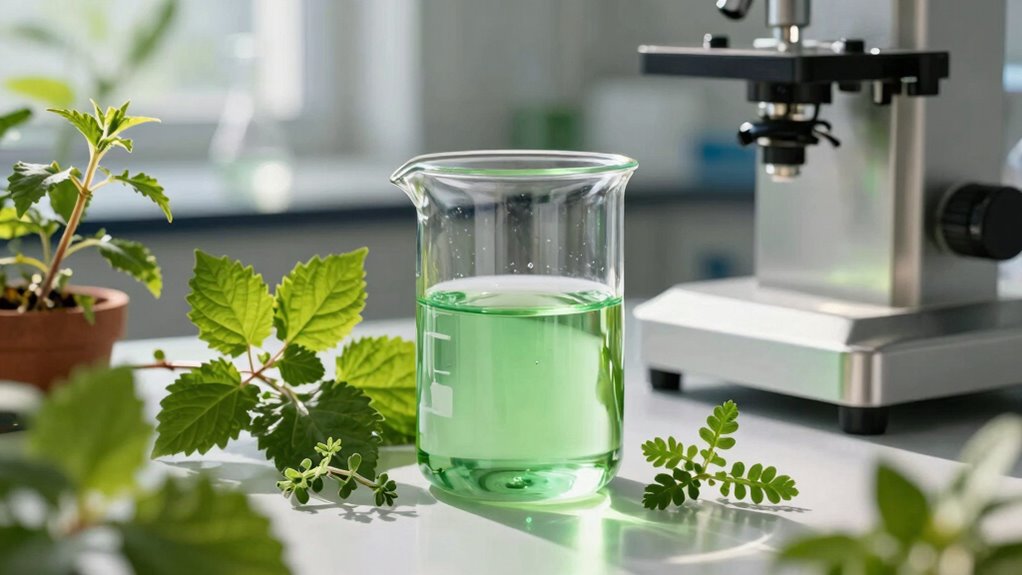
Have you ever wondered how everyday cleaning products impact the environment? It’s a valid concern, especially as more people seek sustainable alternatives. When it comes to surfactants—the active ingredients in soaps and detergents—there’s a growing push for greener options. These “greener surfactants” aim to reduce environmental harm while maintaining cleaning power. But what does “better” really mean in this context? It’s more than just a marketing term; it involves specific improvements like biodegradability and renewable sourcing. These enhancements are essential for making cleaning products safer for the planet.
Biodegradability improvements are at the heart of greener surfactants. Traditional surfactants often linger in the environment, breaking down very slowly or not at all, which can harm aquatic life and disrupt ecosystems. Greener options, however, are designed to break down quickly after use. When you choose products with biodegradable surfactants, you’re helping guarantee that these chemicals don’t accumulate in water bodies or soil. This rapid breakdown process minimizes long-term environmental impacts and supports healthier ecosystems. It’s a vital step toward reducing pollution caused by cleaning products. Understanding biodegradability can help consumers recognize the importance of choosing products that won’t persist in the environment. Additionally, the development of bio-based surfactants plays a significant role in advancing these efforts by providing sustainable alternatives. Incorporating biodegradable ingredients into formulations further enhances their eco-friendliness, ensuring that the entire product lifecycle is more sustainable.
Biodegradable surfactants break down quickly, reducing pollution and supporting healthier ecosystems.
Renewable sourcing is another key factor that makes a surfactant “better.” Conventional surfactants are frequently derived from petrochemicals—fossil fuels that are finite and contribute to climate change. Greener surfactants, on the other hand, are increasingly made from renewable raw materials like plant oils, sugars, or other bio-based sources. By sourcing ingredients sustainably, manufacturers decrease reliance on finite resources and lower greenhouse gas emissions. This shift not only benefits the environment but also encourages more sustainable agriculture and resource management. When you pick products with surfactants made from renewable sources, you’re supporting a cycle of sustainability that minimizes environmental footprints.
Understanding the importance of biodegradability and renewable sourcing can help consumers make more sustainable choices. Choosing greener surfactants isn’t just about compliance or trendiness; it’s about making conscious decisions that contribute to a healthier planet. Improvements in biodegradability mean products won’t linger in ecosystems, reducing pollution and protecting wildlife. Sourcing ingredients from renewable resources ensures that the environmental costs of production are lowered and that we’re using resources responsibly. When you opt for cleaning products with biodegradable, renewable-sourced surfactants, you’re actively participating in a movement toward sustainability. It’s a simple yet powerful way to lessen your environmental impact without sacrificing cleanliness or effectiveness. In the end, “better” means cleaner for the planet and for future generations.
biodegradable eco-friendly laundry detergent
As an affiliate, we earn on qualifying purchases.
As an affiliate, we earn on qualifying purchases.
Frequently Asked Questions
Are Greener Surfactants More Cost-Effective Than Traditional Ones?
Greener surfactants can be more cost-effective over time, especially as market adoption grows and production scales up. While initial costs might be higher, their environmental benefits can lead to savings in waste management and regulatory compliance. However, regulatory challenges can impact their cost-effectiveness, as maneuvering new standards might add expenses. Overall, as demand increases and regulations evolve, greener surfactants are becoming increasingly competitive financially.
How Do Greener Surfactants Perform in Cleaning Compared to Conventional Options?
You’ll find that greener surfactants perform just as well as conventional options in cleaning, thanks to improvements in biodegradability and innovative raw material sourcing. These enhancements guarantee effective dirt and grease removal while breaking down more quickly in the environment. By choosing greener surfactants, you support sustainable practices without sacrificing cleaning power, making them a smart, eco-friendly alternative for your cleaning needs.
What Certifications Indicate a Surfactant’s Environmental Friendliness?
Certifications like USDA Organic, EcoLogo, and Green Seal indicate a surfactant’s environmental friendliness. These standards set strict criteria for biodegradability, low toxicity, and sustainable sourcing. The eco label significance lies in helping you identify products that meet rigorous environmental criteria, ensuring you’re choosing surfactants that are safer for the planet. Look for these certifications to confidently select eco-friendly options that align with your sustainability values.
Can Greener Surfactants Be Used in All Types of Cleaning Products?
Yes, greener surfactants can be used in most cleaning products. Their biodegradability benefits mean they break down more easily, reducing environmental impact. Sourcing sustainability guarantees they’re derived from renewable resources, making them suitable for various formulations. However, compatibility with specific cleaning tasks or materials might vary, so testing is essential. Overall, incorporating greener surfactants helps create eco-friendly products without sacrificing cleaning efficiency.
What Are the Potential Health Benefits of Using Greener Surfactants?
Think of eco-friendly formulations as a gentle breeze that clears away pollutants, revealing cleaner air. Using greener surfactants offers health benefits by reducing skin irritation, allergies, and exposure to harmful chemicals. Their biodegradability advantages mean they break down faster in the environment, lowering long-term risks. This switch helps protect your skin and respiratory health while contributing to a cleaner planet, making your cleaning routine safer and more sustainable.
Conclusion
So, when you choose greener surfactants, you’re planting seeds of change in a vast garden of innovation. Think of it as steering your boat through cleaner, calmer waters, leaving behind a trail of sustainability. Each small decision ripples outward, transforming the landscape of cleaning. By understanding what “better” truly means, you become a steward of the planet, turning everyday choices into vibrant strokes on the canvas of a greener, brighter future.
Fall Picks
fall essentials
As an affiliate, we earn on qualifying purchases.