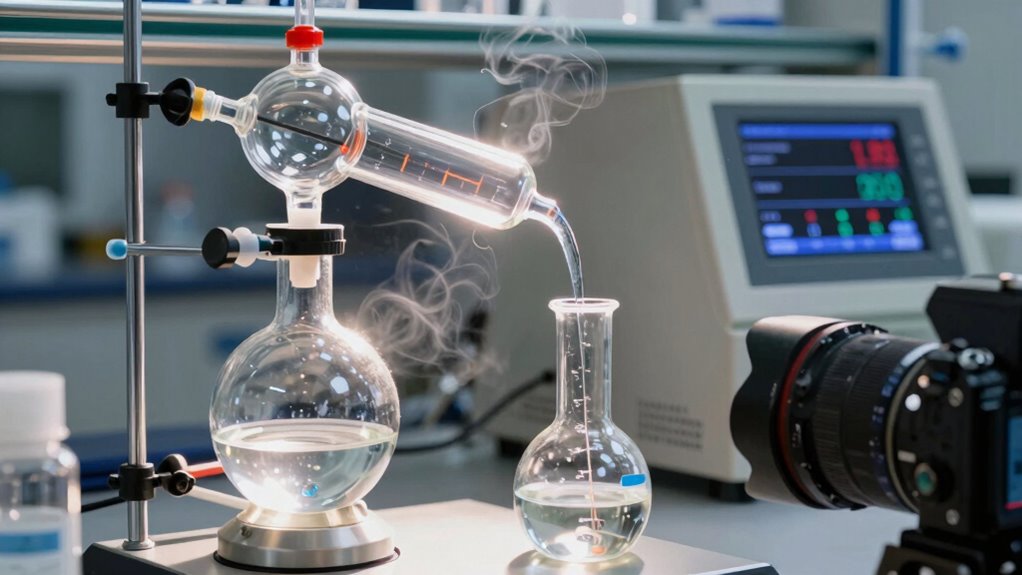

Using distillation for solvent recovery helps you cut waste, reduce costs, and promote sustainability. It allows you to efficiently reuse solvents, saving money on new purchases and lowering waste disposal expenses. The process also minimizes environmental impact by decreasing hazardous waste and conserving resources. While initial setup costs can be substantial, long-term savings and eco-friendly benefits often outweigh them. Keep exploring to discover how you can optimize your solvent recovery system for your operations.

Prime made for students and young adults
- Fast, free delivery for dorm and study essentials
- Prime Video and Amazon Music included
- Member-only deals
Key Takeaways
- Distillation separates and purifies solvents, enabling their reuse and reducing waste generation.
- It lowers overall costs by decreasing the need for new solvents and minimizing waste disposal expenses.
- Implementing energy-efficient distillation equipment can optimize operational costs and process sustainability.
- High-quality distillation ensures solvent purity, maintaining process integrity and preventing product contamination.
- Overall, solvent recovery through distillation supports environmental goals and offers long-term economic benefits.
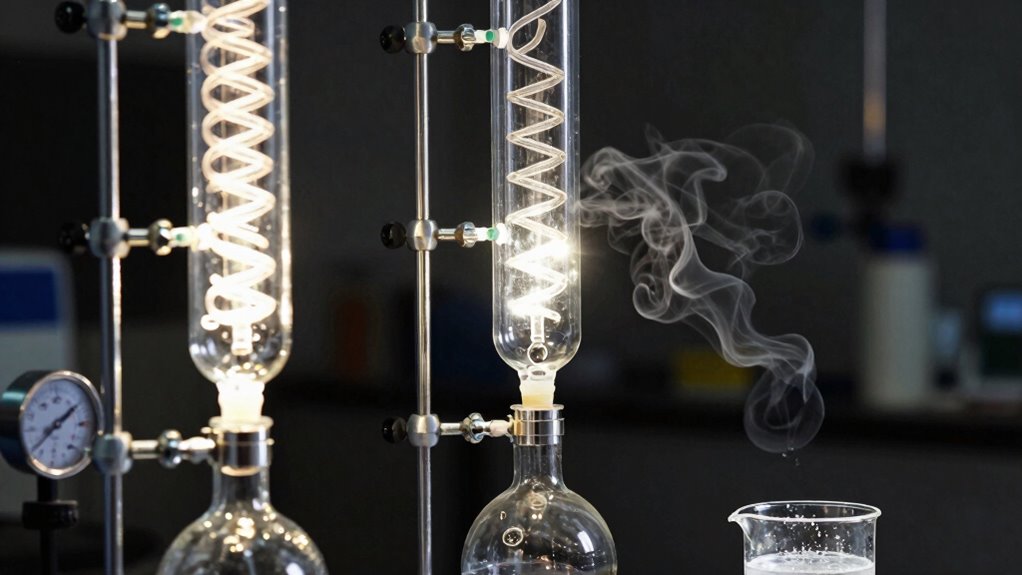
Have you ever wondered how industries reuse solvents efficiently and sustainably? It all comes down to effective solvent recovery, with distillation playing a key role. When contemplating implementing a solvent recovery system, you need to evaluate the cost analysis carefully. The initial investment in equipment and setup can be significant, but understanding the long-term savings and environmental benefits makes it worthwhile. By reclaiming solvents, you reduce the need to purchase new chemicals, which lowers operating costs and minimizes waste disposal expenses. This process isn’t just about saving money; it’s also about making smarter decisions that benefit your bottom line over time. Additionally, understanding the infrastructure involved in solvent recovery helps ensure your system integrates smoothly with existing operations. Environmental impact is another critical factor that influences whether solvent recovery is worth the effort. Using distillation to recover solvents reduces the volume of hazardous waste sent to landfills or incinerators, decreasing your facility’s ecological footprint. Fewer waste materials mean less contamination risk and a smaller carbon footprint. Additionally, recovering solvents decreases the demand for raw materials, conserving natural resources and lowering energy consumption associated with manufacturing new solvents. These environmental benefits align with regulatory requirements and corporate sustainability goals, making solvent recovery a responsible choice for many industries.
When you analyze whether distillation is worth it, think about the balance between operational costs and environmental gains. The process involves energy consumption for heating and cooling, which can be costly if not managed properly. However, advances in distillation technology, such as energy-efficient condensers and heat exchangers, help cut these costs. It’s also important to consider the purity of recovered solvents; high-quality distillation ensures the reclaimed solvent can be reused without compromising your manufacturing process, minimizing waste and additional costs. Furthermore, a thorough cost analysis includes evaluating the potential downtime during system installation or maintenance, as well as the lifespan of your equipment. Investing in durable, high-quality distillation units might seem expensive upfront, but they often provide better efficiency and lower long-term operational costs. When you weigh these factors against environmental benefits—such as reduced emissions and hazardous waste—you’ll find that the overall value of solvent recovery becomes clear.
In short, implementing distillation for solvent recovery makes sense when the savings from reduced raw material purchases and waste disposal are significant, and the environmental impact aligns with your company’s sustainability goals. By conducting a detailed cost analysis and understanding the environmental benefits, you can determine if the investment in a solvent recovery system is worthwhile for your operation. It’s a strategic decision that balances financial efficiency with ecological responsibility, helping you build a more sustainable and cost-effective manufacturing process.
solvent recovery distillation unit
As an affiliate, we earn on qualifying purchases.
As an affiliate, we earn on qualifying purchases.
Frequently Asked Questions
How Do I Determine if Solvent Recovery Is Cost-Effective?
You determine if solvent recovery is cost-effective by performing a cost analysis that compares the savings from recovered solvents against the investment and operational costs. Consider factors like initial setup, energy consumption, and maintenance. If the economic feasibility shows significant savings over time and the payback period is reasonable, then solvent recovery is worth it. Always evaluate your specific solvent usage and waste disposal costs to make an informed decision.
What Safety Measures Are Necessary During Solvent Distillation?
During solvent distillation, you need to prioritize vent safety to release vapors safely and prevent pressure build-up. Always use a properly vented system and ensure your workspace has good airflow. Wear appropriate personal protective equipment, like gloves and goggles, to prevent hazards. Regularly inspect equipment for leaks or damage to avoid accidents. Following these hazard prevention measures helps keep you safe while effectively recovering solvents.
Can Solvent Recovery Be Integrated Into Existing Manufacturing Processes?
Yes, you can integrate solvent recovery into your existing manufacturing process using advanced recovery technology. Start by evaluating your current setup and identify points where process integration is feasible. Implementing modular distillation units makes this easier, reducing waste and enhancing efficiency. Properly designed recovery systems seamlessly blend with your workflow, saving costs and minimizing environmental impact. Just make certain safety measures are in place during installation and operation for peak performance.
What Environmental Regulations Apply to Solvent Recovery Systems?
You must comply with hazardous waste regulations and emission standards when operating solvent recovery systems. These rules guarantee you minimize environmental impact, balancing waste reduction with pollution control. While recovery reduces hazardous waste disposal, improper handling can lead to violations. Staying current with local, state, and federal regulations helps you avoid fines and protect the environment. It’s a necessary step that safeguards both your business and the planet.
How Often Should Solvent Recovery Equipment Be Maintained?
You should perform regular maintenance on your solvent recovery equipment according to the manufacturer’s recommended maintenance schedule, typically every 3 to 6 months. This helps guarantee peak performance and extends the equipment’s lifespan. Regular checks for leaks, cleanliness, and calibration prevent costly breakdowns and inefficiencies. Staying consistent with maintenance not only keeps your system running smoothly but also reduces downtime and prolongs its durability over time.
Conclusion
Remember, a penny saved is a penny earned. By understanding solvent recovery and using distillation wisely, you can cut waste and save money. It’s worth investing effort into recovery systems when the benefits outweigh costs. When you treat waste like treasure, you turn what’s discarded into value. With careful planning and smart choices, you’ll find that handling solvents efficiently isn’t just good practice — it’s good business.
Fall Picks
fall essentials
As an affiliate, we earn on qualifying purchases.