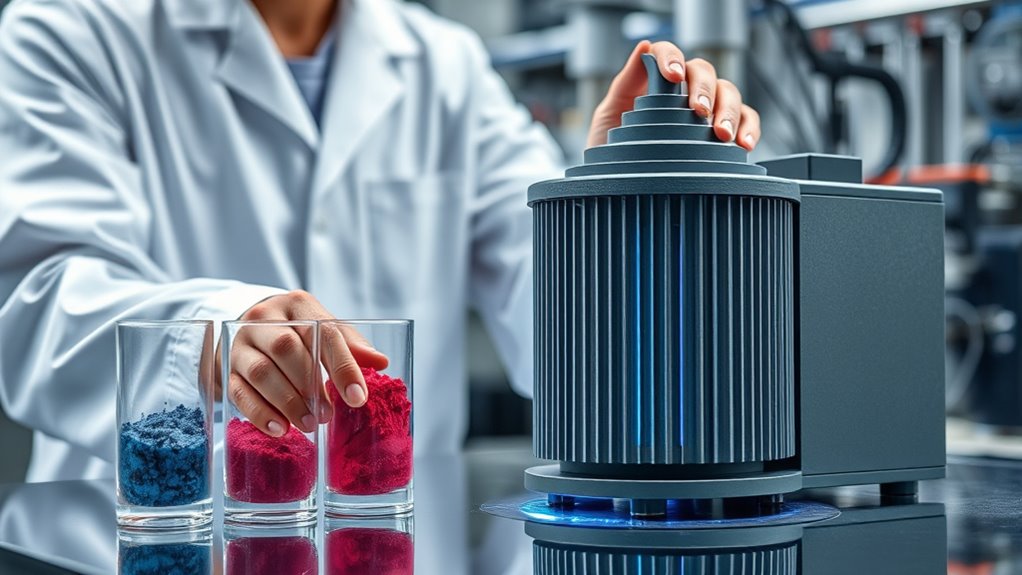

Solventless reactions, like mechanochemistry, use physical forces such as grinding or milling to promote chemical changes without solvents. These methods reduce hazardous waste, lower energy consumption, and improve reaction efficiency, making them safer and greener options. Beyond mechanochemistry, other thermal and physical techniques also enable clean, scalable processes. By exploring these innovative approaches, you can discover sustainable ways to perform chemistry more responsibly—there’s much more to uncover if you keep exploring.
Listen free for 30 days with Audible
Thousands of audiobooks and originals — cancel anytime.
As an affiliate, we earn on qualifying purchases.
Key Takeaways
- Mechanochemistry employs mechanical force like grinding or milling to initiate chemical reactions without solvents.
- Solventless methods reduce hazardous waste, energy consumption, and environmental impact of chemical processes.
- Beyond mechanochemistry, thermal solid-state reactions use heat to facilitate solvent-free transformations.
- Green chemistry principles promote designing safer, cleaner, and more sustainable solventless reaction techniques.
- Advantages include higher efficiency, cleaner products, cost savings, and safer handling compared to traditional solvent-based methods.
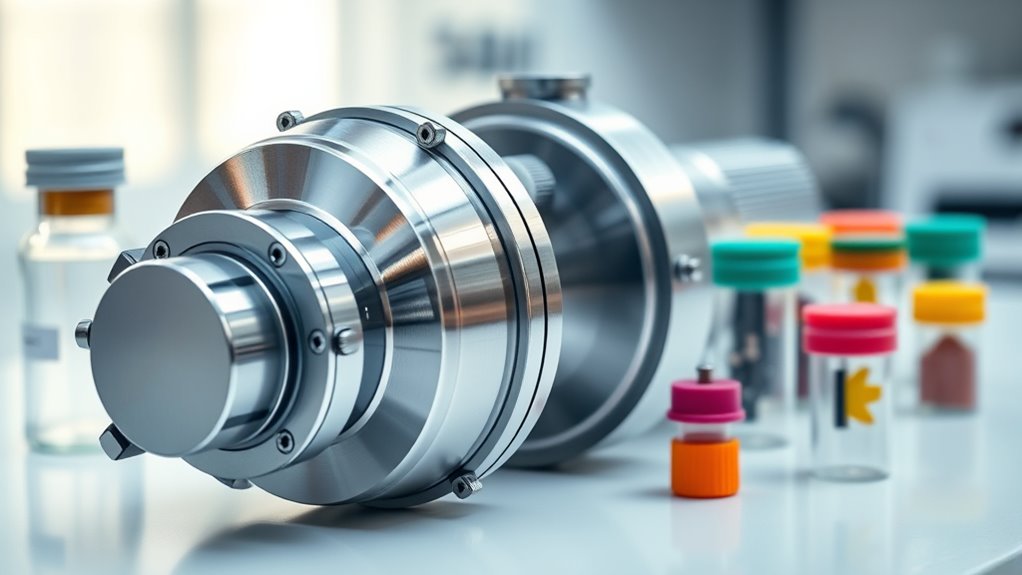
Solventless reactions are chemical processes that occur without the use of traditional solvents, offering a greener and more sustainable alternative to conventional methods. By eliminating solvents, you reduce hazardous waste, lower energy consumption, and minimize environmental impact. This approach aligns closely with the principles of green chemistry, which aim to design chemical processes that are safer, cleaner, and more resource-efficient. When performing solventless reactions, you often see improvements in reaction efficiency because the reactants are in direct contact, resulting in faster kinetics and higher yields. Without solvents acting as diluents, the molecules interact more readily, often leading to cleaner reactions with fewer byproducts. Incorporating advanced cleaning technology like HEPA filters can further enhance the safety and purity of the process.
Mechanochemistry, a prominent method in solventless chemistry, utilizes mechanical force—such as grinding, milling, or pressing—to initiate and drive reactions. When you use ball mills or mortar and pestle techniques, you physically bring reactants into close proximity, creating the necessary energy to break and form chemical bonds. This physical activation not only enhances reaction efficiency but also offers better control over reaction pathways. Because you’re working without solvents, you avoid issues like solvent toxicity, volatility, and disposal challenges, making the process safer and more environmentally friendly.
Beyond mechanochemistry, other solventless techniques include thermal methods such as solid-state reactions, where heat alone facilitates chemical transformations. These methods often require precise control of temperature and duration but can be highly effective for specific applications. They reduce the reliance on hazardous solvents and often simplify purification processes, saving time and resources. As you explore solventless reactions, you’ll notice that they often require innovative approaches to optimize conditions, but once established, they can be highly reproducible and scalable.
Incorporating green chemistry principles into your practice not only improves the sustainability of your processes but also enhances reaction efficiency. By designing reactions that proceed smoothly without solvents, you cut down on waste and energy use while increasing product yield and purity. This sustainable approach can lead to cost savings and a smaller environmental footprint, aligning your work with global efforts to make chemistry safer and more responsible. Overall, solventless reactions represent a forward-thinking shift in chemical synthesis, where efficiency and environmental consciousness go hand in hand, offering you a practical pathway toward greener, cleaner chemistry.
As an affiliate, we earn on qualifying purchases.
Frequently Asked Questions
How Scalable Are Solventless Mechanochemical Processes for Industrial Use?
You can scale solventless mechanochemical processes for industrial use, but scalability challenges exist. As you increase batch sizes, maintaining consistent energy input and controlling heat becomes more difficult. Equipment design also needs to adapt for larger operations. However, with ongoing advancements, these processes show promise for industrial applications, offering eco-friendly alternatives. Overcoming these challenges will be key for widespread adoption in manufacturing, ensuring efficiency and product quality at scale.
What Are the Environmental Impacts of Solventless Versus Traditional Reactions?
You’ll find that solventless reactions considerably reduce environmental impacts compared to traditional methods. They lower toxicity by minimizing hazardous solvent use, leading to less chemical waste and safer conditions. Waste minimization is also a key benefit, as you generate less byproduct and avoid solvent disposal issues. Overall, these processes promote greener chemistry, helping you decrease your ecological footprint while maintaining efficiency and safety in your chemical reactions.
Can Solventless Methods Be Applied to All Types of Chemical Reactions?
Did you know that only about 30% of chemical reactions are currently suitable for solventless methods? You should know that limitations applicability and reaction scope vary; solventless techniques excel in specific reactions like grinding or milling but aren’t universal. You might find challenges applying them to complex, multi-step syntheses or reactions requiring precise temperature control. So, while promising, solventless methods aren’t yet applicable to all types of chemical reactions.
What Equipment Is Necessary for Solventless Mechanochemistry?
You need specialized equipment like ball mills, mortar and pestle, or extruders for solventless mechanochemistry. These tools facilitate grinding, mixing, or milling reactions without solvents. Guarantee safety considerations are met, such as proper ventilation, protective gear, and understanding equipment limits. Basic equipment requirements include sturdy containers and suitable mills, while safety precautions protect you from dust, heat, or mechanical hazards during the process.
How Do Reaction Yields Compare Between Solventless and Solvent-Based Methods?
Sure, solventless reactions beat solvent-based ones in reaction efficiency and product purity—who needs solvents messing things up? You’ll find yields are often comparable or even better without the hassle of purification from solvents. Plus, you save money and the environment. So, next time you’re planning a reaction, consider going solventless; it’s a cleaner, greener, and often more efficient way to get your product.
Conclusion
You’ve seen how solventless reactions, especially mechanochemistry, are transforming chemistry by reducing waste and energy use. Did you know that over 30% of chemical processes could benefit from solvent-free methods? By embracing these techniques, you help cut down hazardous waste and promote sustainability. It’s clear that moving toward solventless reactions isn’t just innovative—it’s essential for a greener, more efficient future in chemistry. So, why not be part of this exciting change?
Fall Picks
fall essentials
As an affiliate, we earn on qualifying purchases.