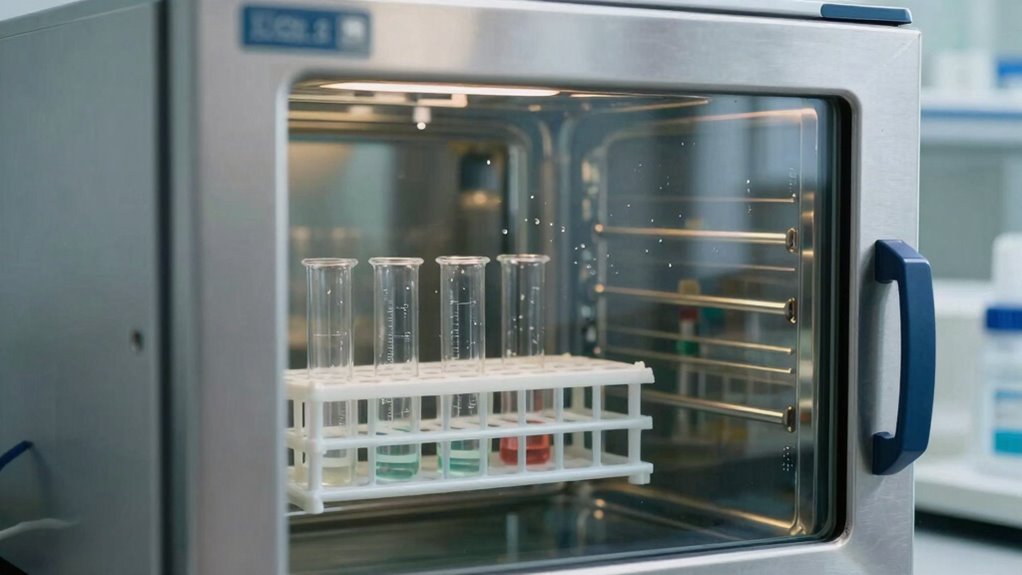

Many buyers underestimate how easily microbial contamination can disrupt their CO2 incubator experiments. Even minor lapses in maintenance or cleaning can introduce bacteria or fungi, skewing results or causing equipment failure. Proper airflow management, antimicrobial coatings, and regular sterilization are vital to prevent contamination. Staying vigilant with these measures safeguards your samples and guarantees reliable results. To discover more about protecting your incubator from hidden risks, continue exploring these essential strategies.

Get school and study supplies delivered free — and shop member deals
- Fast, free delivery on millions of items
- Access to Prime Big Deal Days deals on October 6–7
- Prime Video, Amazon Music and more included
Key Takeaways
- Buyers often overlook the importance of antimicrobial coatings in preventing microbial growth inside CO2 incubators.
- Inadequate airflow management can create stagnant zones, increasing contamination risk.
- Routine maintenance and monitoring are critical but frequently underestimated by buyers.
- Contamination can occur from minor lapses in cleaning or system failure, compromising sample integrity.
- Combining sterilization, airflow optimization, and antimicrobial surfaces offers the most effective contamination prevention.
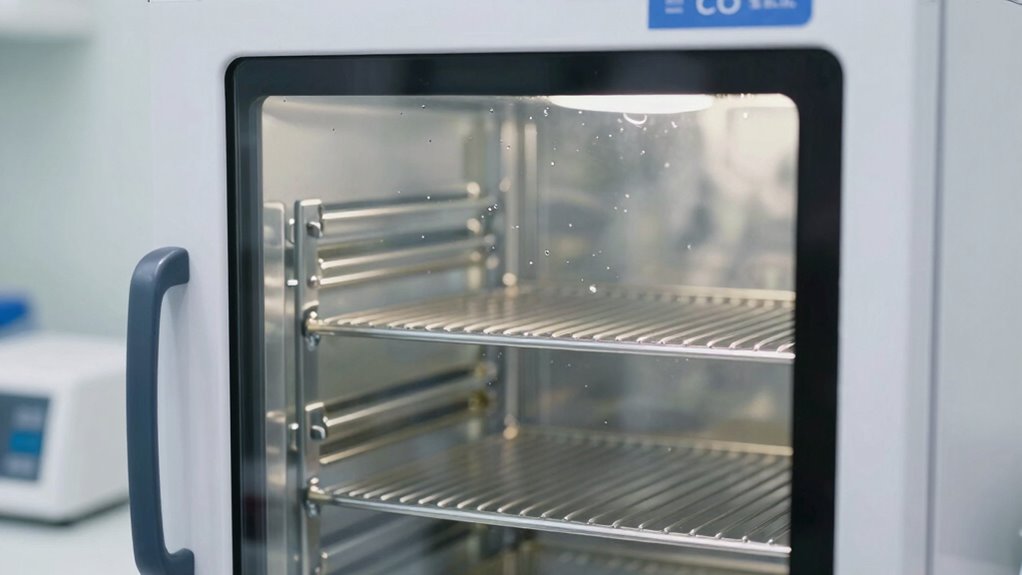
CO2 incubators are essential tools in laboratories, but their sensitivity makes them vulnerable to contamination that can compromise experiments. You might think that maintaining a sterile environment is straightforward, but even minor lapses can introduce unwanted microbes, leading to skewed results or failed experiments. That’s why paying attention to how your incubator is designed and maintained is crucial. One key aspect often overlooked is the implementation of antimicrobial coatings on interior surfaces. These coatings act as a proactive barrier, inhibiting the growth of bacteria and fungi on contact, reducing the risk of contamination over time. While regular cleaning is important, antimicrobial coatings provide an added layer of protection that continuously fights microbial colonization, especially in high-traffic or prolonged-use settings.
Another essential factor you should focus on is airflow optimization inside the incubator. Proper airflow ensures a uniform distribution of temperature, humidity, and CO2 levels, which are indispensable for cell culture growth. However, poor airflow can create pockets of stagnant air, where contaminants can settle and thrive. By ensuring your incubator has well-designed airflow systems, you minimize these risks and promote a cleaner environment. Many modern incubators come equipped with advanced airflow management features, such as HEPA-filtered air circulation, which traps airborne particles before they can contaminate your samples. It’s important to regularly check and maintain these systems, as clogged filters or malfunctioning fans can compromise airflow and increase contamination risk. Implementing airflow management strategies can significantly reduce contamination chances and improve culture reliability. Additionally, routine inspection and adherence to preventative maintenance schedules are vital for maintaining overall sterility. Regularly monitoring these systems helps detect issues early before they impact sample integrity or lead to contamination. Staying informed about emerging contamination risks can help you adapt your protocols proactively and safeguard your experiments. Incorporating advanced sterilization techniques can further enhance the incubator’s resistance to microbial intrusion.
CO2 incubator antimicrobial coating
As an affiliate, we earn on qualifying purchases.
As an affiliate, we earn on qualifying purchases.
Frequently Asked Questions
How Often Should Incubators Be Sterilized to Prevent Contamination?
You should sterilize your incubator regularly, ideally after each use or at least weekly, to prevent contamination. Follow proper sterilization procedures, including thorough cleaning and disinfecting all surfaces and components. Consistent incubator maintenance helps guarantee a contamination-free environment. By adhering to these practices, you minimize the risk of microbial growth, safeguarding your experiments or cultures and maintaining reliable, accurate results.
What Are the Signs of Contamination Inside a CO2 Incubator?
You’ll notice contamination signs in your CO2 incubator through cloudy or discolored media, unusual odors, or mold growth. Contamination detection also includes observing unexpected cell death or abnormal cell behavior under the microscope. Maintaining proper incubator hygiene is vital; regular cleaning and sterilization help prevent these issues. If you see any of these signs, it’s essential to act quickly to avoid compromising your research or samples.
Can Contamination Affect Experimental Results Significantly?
A stitch in time saves nine, so you know contamination can seriously skew your results. If you don’t follow proper cross contamination protocols and sterilization techniques, your experiment’s accuracy suffers. Contamination can lead to false positives or negatives, compromising data integrity. It’s essential you regularly disinfect your incubator and handle samples carefully. Neglecting these steps risks invalidating your findings, making it impossible to draw reliable conclusions from your research.
Are There Specific Materials More Prone to Contamination?
Certain materials are more prone to contamination due to their susceptibility, especially porous or organic surfaces like rubber, wood, and uncoated plastics. These materials act as contamination hotspots, trapping microbes and bacteria more easily. You should avoid exposing such materials to sterile environments or regularly disinfect them. Using non-porous, sterilizable materials minimizes contamination risks, ensuring your experiments stay accurate and reliable.
How Does Humidity Control Influence Contamination Risk?
Humidity control substantially influences contamination risk because fluctuations can create an environment ideal for microbial proliferation. When humidity levels vary unexpectedly, it can promote microbial growth on surfaces and within the incubator, increasing contamination chances. You need to maintain consistent humidity levels to prevent this. Proper humidity regulation minimizes fluctuations, reducing the risk of microbial proliferation and ensuring a cleaner, safer environment for your cultures.
Conclusion
You might think your CO2 incubator is safe, but overlooking contamination risks can jeopardize your work. For instance, imagine a researcher who ignored proper sterilization, only to find contaminated cultures ruined, wasting weeks of effort. Regular cleaning, monitoring, and understanding contamination sources can save you time and resources. Don’t underestimate these risks—proactive measures guarantee your experiments stay reliable and your results trustworthy. Stay vigilant to protect your valuable research.
Halloween Picks
halloween
As an affiliate, we earn on qualifying purchases.