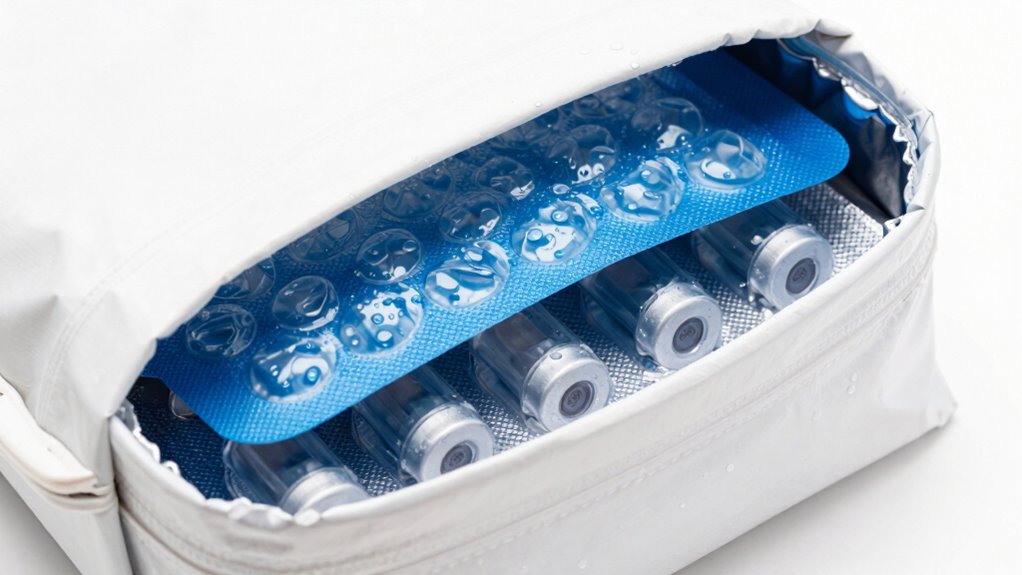

To safeguard sensitive medicines during transit, you rely on advanced insulation materials like expanded polystyrene, polyurethane, and vacuum panels that minimize heat transfer. The chemistry of these materials ensures high thermal resistance, moisture resistance, and durability, keeping your products stable even under extreme conditions. Properly chosen, chemically inert packaging prevents reactions that could compromise medicines and maintains integrity throughout the journey. Continue exploring to discover how innovative formulations further enhance cold chain protection.
Open a free Amazon Business account
Business pricing, bulk buying and tax-exempt orders.
As an affiliate, we earn on qualifying purchases.
Key Takeaways
- Thermal insulation materials with high chemical stability prevent heat transfer and protect medicines during transit.
- Material chemistry enhances moisture resistance and durability, maintaining cold chain integrity.
- Chemically inert packaging components avoid reactions that could degrade sensitive medicines.
- Proper formulation ensures compatibility and stability of refrigerants and phase change materials.
- Understanding chemical interactions helps optimize packaging design for safety and long-term performance.
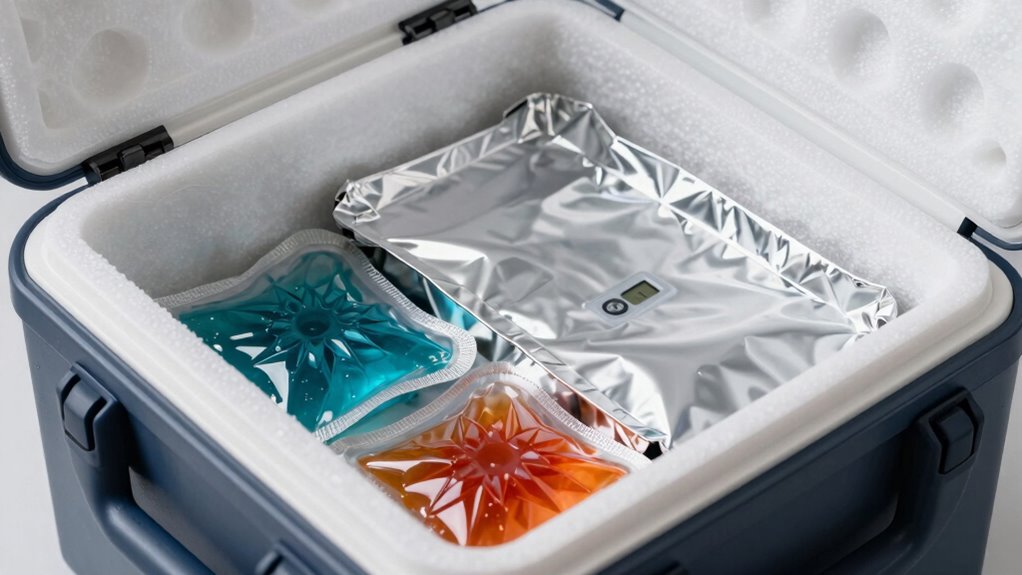
Thermal insulation is the first line of defense. It’s what keeps the cold in and the heat out, no matter the external environment. You’ll find that materials like expanded polystyrene foam, polyurethane, or vacuum-insulated panels are commonly used because of their high insulating properties. These materials create a barrier that minimizes heat transfer, guaranteeing the internal temperature remains stable even when the outside temperature swings dramatically. The chemistry of these insulating materials is carefully engineered to maximize their thermal resistance, which means they can absorb and slow down the transfer of heat efficiently. When you choose packaging with superior thermal insulation, you’re directly reducing the risk of temperature excursions that can spoil sensitive medicines. Material chemistry also plays a critical role in enhancing the durability and performance of insulation materials under various conditions, especially since their thermal resistance determines how well they can withstand extreme environments. Properly designed insulation materials can also resist moisture infiltration, which is crucial for maintaining the integrity of the cold chain. Additionally, advances in material formulation have contributed to developing insulation with even better performance, ensuring reliable protection during transit. Understanding the chemical properties of these materials helps optimize their use in different transportation scenarios, further enhancing their protective capabilities.
High-quality insulation materials like expanded polystyrene and vacuum panels keep medicines stable by minimizing heat transfer.
Chemical stability plays an equally essential role. The packaging materials themselves need to be chemically inert so they don’t react with the products or the cooling agents inside. This means selecting materials that won’t degrade, leach harmful substances, or alter the medication’s chemical makeup. For example, certain plastics and foams are chosen because their chemical stability ensures they won’t break down over time or when exposed to varying temperatures. This stability is indispensable because any chemical interaction could compromise the product’s safety and efficacy. Additionally, refrigerants or phase change materials used for cooling must be chemically stable to provide consistent performance without releasing harmful gases or degrading into unusable substances.
The chemistry of cold chain packaging isn’t just about the materials — it also involves understanding how these materials interact under different conditions. You need packaging that maintains chemical stability throughout the entire transit process, which can sometimes last days or weeks. Temperature fluctuations, humidity, and mechanical shocks all influence the chemistry of your packaging system. That’s why manufacturers invest heavily in designing materials with predictable, stable behaviors. This guarantees your sensitive medicines arrive in perfect condition, ready for use. Chemical interactions can be minimized through careful material selection and testing, ensuring the integrity of the package remains intact. Understanding these interactions is crucial for developing packaging solutions that can withstand complex transportation challenges.
In essence, cold chain packaging chemistry combines thermal insulation and chemical stability to safeguard your products. When you understand and utilize these principles, you’re better equipped to prevent spoilage, maintain product integrity, and ultimately, deliver life-saving medicines safely to those who need them most.
cold chain medicine packaging materials
As an affiliate, we earn on qualifying purchases.
As an affiliate, we earn on qualifying purchases.
Frequently Asked Questions
How Do Temperature Fluctuations Affect Sensitive Medicines During Transit?
Temperature fluctuations can compromise your sensitive medicines by disrupting temperature stability, which may reduce their effectiveness. When packaging integrity is compromised, it exposes products to external temperature variations, risking spoilage or degradation. During transit, you need reliable cold chain packaging that maintains consistent temperatures and preserves packaging integrity. This guarantees your medicines stay safe, effective, and compliant with storage requirements, even amidst the unpredictable conditions of transportation.
What Are the Environmental Impacts of Cold Chain Packaging Materials?
You might be surprised to learn that packaging waste from the cold chain contributes considerably to environmental pollution, with recycling challenges making disposal difficult. Using sustainable materials can reduce this impact, but the complex nature of some packaging complicates recycling efforts. By choosing eco-friendly options and improving recycling practices, you can help lessen the environmental footprint of temperature-sensitive medicine transportation, ensuring both health and the planet are protected.
How Often Should Cold Chain Packaging Be Tested for Efficacy?
You should test your cold chain packaging materials regularly, ideally at least every six months, to guarantee their chemical stability and efficacy. Frequent testing helps identify any degradation that could compromise the protective qualities of the packaging, especially considering temperature fluctuations and environmental factors. By maintaining a consistent testing schedule, you ensure your packaging continues to safeguard sensitive medicines effectively, preventing spoilage or loss of potency.
Are There Biodegradable Options for Cold Chain Packaging?
You’ll be amazed at how biodegradable materials are transforming cold chain packaging, offering eco-friendly alternatives that are as effective as traditional options. These materials break down naturally, reducing environmental impact without compromising the integrity of sensitive medicines. From plant-based foams to biodegradable insulation, you can now choose sustainable solutions that protect your products and our planet. Embracing biodegradable options helps you stay ahead in responsible packaging practices, making a real difference.
How Do Different Medicines Require Specific Packaging Chemistries?
You need to ensure each medicine’s unique requirements, as packaging materials must maintain chemical stability during transit. For instance, some medicines are sensitive to moisture or temperature, so you select materials with insulating properties or moisture barriers. Different medicines may also react with certain plastics or metals, so you choose packaging chemistries that prevent degradation. Tailoring packaging ensures that the medicine remains effective and safe upon arrival.
Conclusion
Understanding cold chain packaging chemistry is like having a shield that keeps your medicines safe, just as a sturdy umbrella protects you from the rain. By choosing the right materials and designs, you guarantee sensitive medicines stay effective from manufacturing to delivery. Your careful attention to these details acts as a guardian, preserving the integrity of life-saving treatments. With the right packaging, you’re not just transporting medicine—you’re safeguarding health, like a fortress protecting precious treasures.
NFL season / tailgating Picks
team gear
As an affiliate, we earn on qualifying purchases.