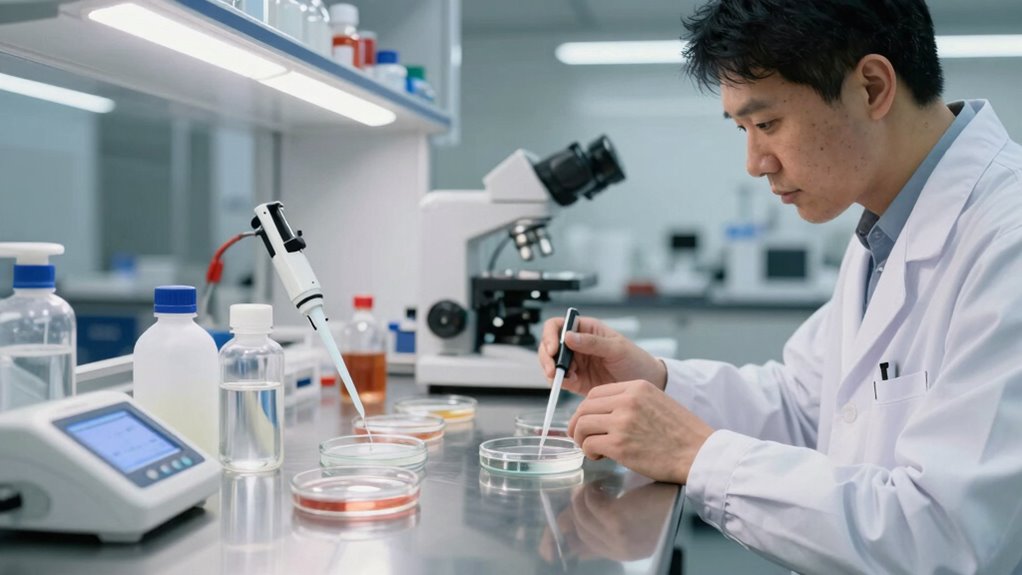

When evaluating hospital disinfectants, you check if they effectively kill germs without damaging surfaces like plastics or metals. You test their residual activity to see how long they offer protection and confirm they work well under various environmental conditions. Safety is key, so you consider if the disinfectant leaves harmful residues and how sustainable it is. If you want to understand the detailed process behind these evaluations, there’s plenty more to explore.

Get school and study supplies delivered free — and shop member deals
- Fast, free delivery on millions of items
- Access to Prime Big Deal Days deals on October 6–7
- Prime Video, Amazon Music and more included
Key Takeaways
- Disinfectants are tested for surface compatibility to prevent damage to hospital materials.
- Their antimicrobial effectiveness and residual activity are evaluated under typical environmental conditions.
- Environmental impact and sustainability are considered to ensure eco-friendly disinfectant use.
- Stability and proper formulation are assessed to maintain efficacy over time and prevent residues.
- Performance is tested across varying temperature and humidity levels for consistent infection control.
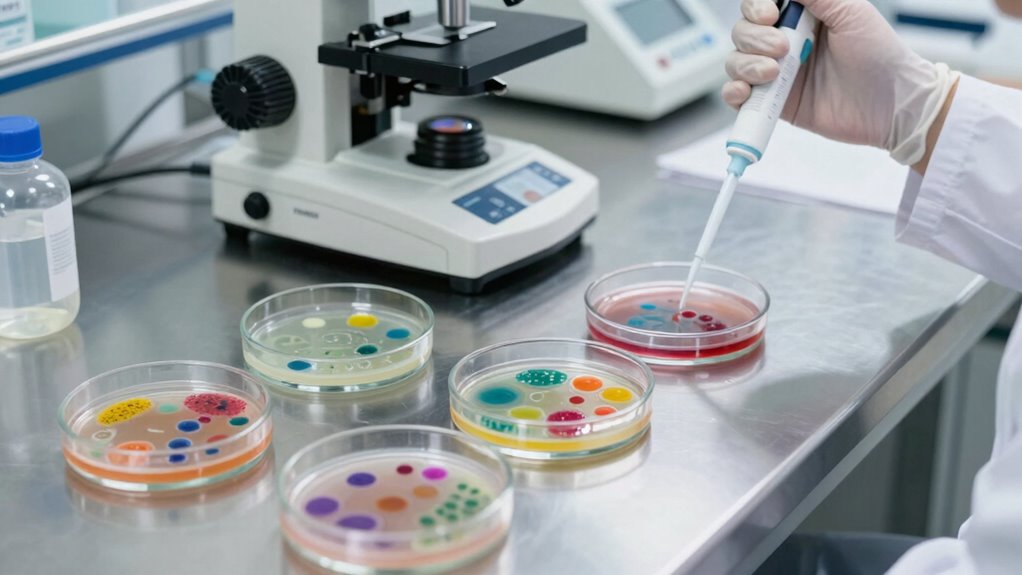
Ensuring hospital disinfectants are effective is essential for preventing infections and safeguarding patient health. When evaluating disinfectants, you’ll need to consider several critical factors, including how well they work on different surfaces and how long their effects last. Surface compatibility is one of the first things to examine because a disinfectant that damages or degrades surfaces could lead to costly repairs or compromised safety. You want a disinfectant that maintains its efficacy without harming materials like plastics, metals, or painted surfaces. Manufacturers often test disinfectants on various hospital surfaces to ensure they won’t cause discoloration, corrosion, or structural damage. This balance between strong antimicrobial action and surface compatibility is vital; a disinfectant that’s too harsh may be effective but could also cause unintended damage, while a milder product might not kill all pathogens effectively. Evaluating the environmental impact of disinfectants is also crucial, as sustainable practices help protect biodiversity and reduce chemical waste. Residual activity is another important aspect you should evaluate. It refers to how long a disinfectant continues to provide antimicrobial protection after application. A disinfectant with high residual activity can help reduce the risk of cross-contamination by maintaining a protective barrier on surfaces even after the initial cleaning. When assessing residual activity, you’ll want to look at how long the disinfectant remains effective under typical hospital conditions, including exposure to cleaning routines, spills, and routine wear. Additionally, understanding the stability of disinfectants over time ensures that their antimicrobial properties are preserved during storage and use, which is essential for consistent infection control. Proper formulation of disinfectants also plays a key role in maintaining their effectiveness and safety across different applications. A well-formulated disinfectant can enhance Residual activity and reduce the likelihood of residue buildup that could interfere with subsequent cleaning steps. It is also important to evaluate how environmental conditions such as temperature and humidity affect disinfectant performance, ensuring their reliability in various hospital settings. Products with longer residual activity can lower the frequency of reapplication, saving time and resources while maintaining a high level of infection control. It’s also important to verify that residual disinfectants do not leave residues that could be toxic, irritating to patients or staff, or interfere with other cleaning procedures.
hospital disinfectant surface cleaner
As an affiliate, we earn on qualifying purchases.
As an affiliate, we earn on qualifying purchases.
Frequently Asked Questions
How Long Do Disinfectants Remain Effective After Application?
Disinfectants typically remain effective for a specified duration, often ranging from several hours to days, depending on their chemical stability and formulation. Residue persistence plays a key role, as longer-lasting residues can continue to inhibit microbial growth. You should follow the manufacturer’s instructions on contact time and reapplication schedule, as factors like surface type and environmental conditions can influence how long the disinfectant stays effective after application.
Are Hospital Disinfectants Safe for Patient Contact?
Hospital disinfectants are designed to be safe for patient contact when used correctly. Think of them as guardians, protecting patient safety without causing harm. They’re regulated by strict disinfectant regulations to guarantee safety and efficacy. Always follow manufacturer instructions and hospital protocols, as improper use can pose risks. When used properly, these disinfectants effectively balance infection control with patient safety, making healthcare environments safer for everyone.
How Often Should Disinfectants Be Tested for Efficacy?
You should test disinfectants for efficacy regularly, ideally every six months or after any formulation changes. This guarantees the disinfectant remains effective against microbes and minimizes microbial resistance. When testing, focus on the disinfectant formulation’s stability and activity. Frequent testing helps you catch potential decreases in efficacy early, maintaining a safe environment for patients and staff, and ensuring compliance with health standards.
Do Disinfectants Work Against Emerging or Resistant Bacteria?
Disinfectants can be effective against emerging or resistant bacteria if their spectrum includes these pathogens. However, bacterial resistance can limit their efficacy, especially if the disinfectant isn’t broad-spectrum or used improperly. You should select disinfectants with proven activity against resistant strains and guarantee proper application. Regular testing and adherence to guidelines help maintain their effectiveness, preventing resistant bacteria from thriving on hospital surfaces.
What Are the Environmental Impacts of Hospital Disinfectants?
Environmental impacts of hospital disinfectants evoke concerns about chemical toxicity and environmental sustainability. You should consider how disinfectants release harmful chemicals into ecosystems, potentially contaminating water, soil, and air. These substances can threaten wildlife and human health long-term. While disinfectants are essential for hygiene, using environmentally friendly, biodegradable options can help reduce chemical toxicity, safeguarding ecosystems and promoting sustainable practices in healthcare environments.
Conclusion
As you navigate the world of hospital disinfectants, remember they are the guardians guarding the gates of health. Each evaluation acts as a key, revealing trust in their power to ward off unseen threats. Just as a lighthouse guides ships safely home, thorough testing illuminates the path toward safer hospitals. Trust in this process, for it’s the beacon that guarantees every surface remains a sanctuary, and every patient finds refuge in a clean, protected environment.
Halloween Picks
halloween
As an affiliate, we earn on qualifying purchases.