Handling and containing HPAPIs require strict safety measures, including designing facilities with specialized equipment like isolators and HEPA filters to prevent leaks and cross-contamination. It is crucial to use proper PPE, follow thorough cleaning protocols, and manage waste carefully to reduce exposure risks. Regular monitoring and ongoing staff training help ensure compliance and safety. Continuing efforts to improve containment strategies will help you maintain a secure environment and protect both workers and the environment.
Key Takeaways
- Design facilities with specialized equipment like isolators and HEPA filters to prevent cross-contamination and contain airborne particles.
- Use appropriate PPE and strict procedures for donning, doffing, and handling HPAPI to minimize exposure risks.
- Implement rigorous housekeeping and validated cleaning protocols to remove residual contamination effectively.
- Establish proper waste management practices, including sealed containers and decontamination before disposal, to prevent environmental release.
- Conduct continuous training, monitoring, and environmental testing to ensure containment effectiveness and compliance.
Handling high-potency active pharmaceutical ingredients (HPAPIs) requires careful planning and strict containment measures, especially because even tiny exposures can pose significant health risks. As you work with these potent compounds, you need to conduct thorough risk assessments to identify potential hazards associated with handling, processing, and disposal. This involves evaluating the toxicity levels, particle size, and likelihood of aerosolization of the HPAPI. Understanding these factors allows you to develop effective containment strategies that minimize the risk of accidental exposure to personnel and the environment.
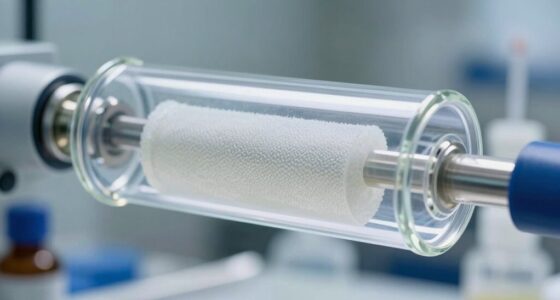
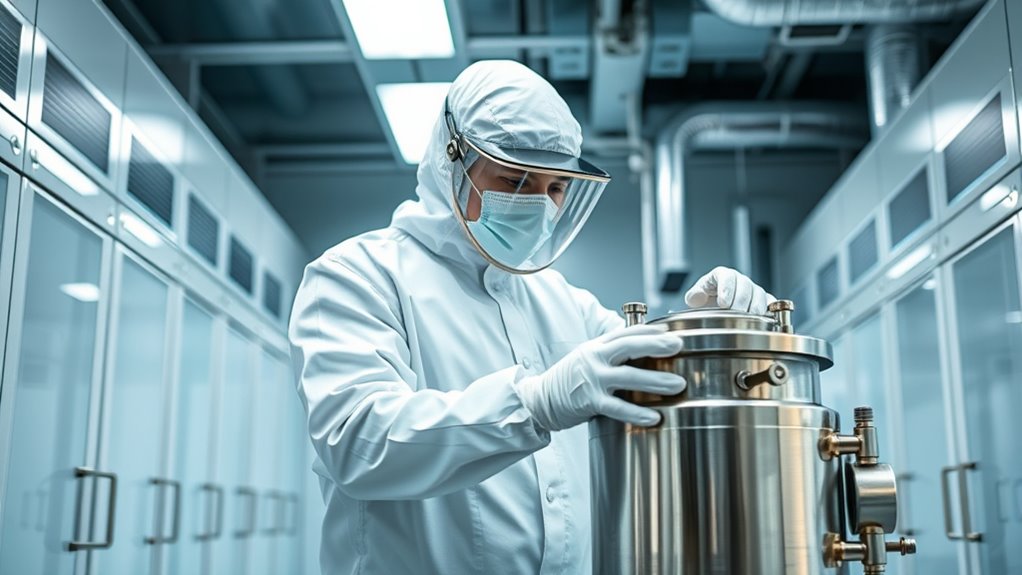
Implementing containment strategies begins with designing facilities that prevent cross-contamination and limit exposure. You should work with specialized equipment such as isolators, glove boxes, and closed systems that create physical barriers between the HPAPI and your workspace. These enclosures are essential for controlling airborne particles and preventing leaks. When selecting containment systems, prioritize those with HEPA or ULPA filtration to efficiently capture airborne contaminants. Regular maintenance and validation of these systems ensure they function properly, providing continuous protection.
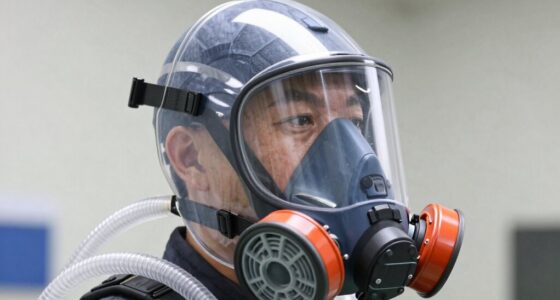
Personal protective equipment (PPE) also plays an indispensable role in containment. You must wear appropriate PPE, including respirators, gloves, gowns, and eye protection, to create an additional layer of defense. Proper donning and doffing procedures are paramount to prevent contamination during PPE removal. Additionally, implementing strict housekeeping protocols helps maintain a safe environment by regularly cleaning work surfaces and waste disposal areas with validated decontamination agents.
Your containment strategy should extend to waste management. Handling and disposing of waste containing HPAPIs demand strict procedures to prevent environmental contamination. Use designated waste containers that are clearly labeled and sealed, and follow local regulations for disposal. Autoclaving or chemical decontamination before disposal further reduces risks.
Training personnel is indispensable in maintaining safety standards. You must ensure everyone understands the importance of risk assessment and adheres to established containment protocols. Regular training updates, drills, and audits help reinforce best practices and identify areas for improvement. By fostering a safety-first culture, you minimize human error and strengthen your overall containment system.
Finally, continuous monitoring and validation are essential to verify that your containment measures remain effective over time. Conducting environmental monitoring, surface sampling, and air testing regularly helps detect potential leaks or contamination early on. When issues are identified, you should promptly review and adjust your containment strategies to uphold safety and compliance standards. Handling HPAPIs demands vigilance, precision, and a proactive approach, but with comprehensive risk assessments and robust containment strategies, you can protect your team, the environment, and ensure product integrity. Regular training and ongoing education on safety protocols are crucial to maintaining a compliant and safe working environment.
As an affiliate, we earn on qualifying purchases.
Frequently Asked Questions
What Are the Latest Innovations in HPAPI Containment Technology?
You’re seeing innovations like nanotech barriers that provide ultra-effective containment by creating a robust, microscopic shield against leaks. Smart sensors are also advancing, offering real-time monitoring and early leak detection to enhance safety. These technologies work together to improve containment, reduce risks, and guarantee compliance. Embracing nanotech barriers and smart sensors means you can better safeguard personnel and the environment while maintaining high operational standards.
How Do Regulations Differ Globally for HPAPI Handling?
While regulations worldwide vary, you’ll find that many countries emphasize strict regulatory compliance and align with international standards. You must navigate differences in permissible exposure limits, containment requirements, and handling protocols, which can seem complex. Yet, these standards aim to protect workers and the environment. Staying informed and adaptable allows you to meet diverse regulatory demands, ensuring safe HPAPI handling across global markets.
What Are Common Challenges Faced During HPAPI Disposal?
You face challenges in disposing of hazardous waste generated during HPAPI processes, as strict disposal procedures must be followed to prevent contamination and environmental harm. Ensuring safe containment, managing waste residues, and adhering to regulatory standards can be complex and costly. You need proper training, equipment, and documentation to handle disposal correctly, minimizing risks to personnel and the environment while complying with evolving global regulations.
How Is Staff Training Optimized for HPAPI Safety?
Your staff training is optimized for HPAPI safety by making staff competence their top priority. You use immersive, hands-on simulations that are so realistic, they could fool even seasoned professionals. Safety protocols are drilled daily, ensuring every team member masters them effortlessly. Regular assessments and updates keep everyone sharp, transforming your team into a well-oiled, safety-first machine, ready to handle even the most potent APIs with confidence and precision.
What Are Cost-Effective Strategies for HPAPI Containment?
You can reduce costs and mitigate risks by investing in reusable containment systems, like flexible barriers or glove boxes, which lower ongoing expenses. Implementing proper engineering controls, such as sealed enclosures and HEPA filtration, enhances safety while avoiding costly leaks or exposures. Regular maintenance and staff training guarantee containment efficacy, preventing accidents and costly cleanups. These strategies balance cost reduction with effective risk mitigation, safeguarding your team and environment efficiently.
Conclusion
Think of handling HPAPIs like tending a delicate garden where every move must be precise. With proper containment and safety measures, you’re the gardener guarding rare, valuable blooms from harm. Just as a gardener carefully tends each plant, you ensure the high-potency substances stay safe and contained, preventing any leaks or exposure. When you prioritize safety, you safeguard both yourself and the environment, cultivating a secure space where high-potency APIs can thrive without risk.