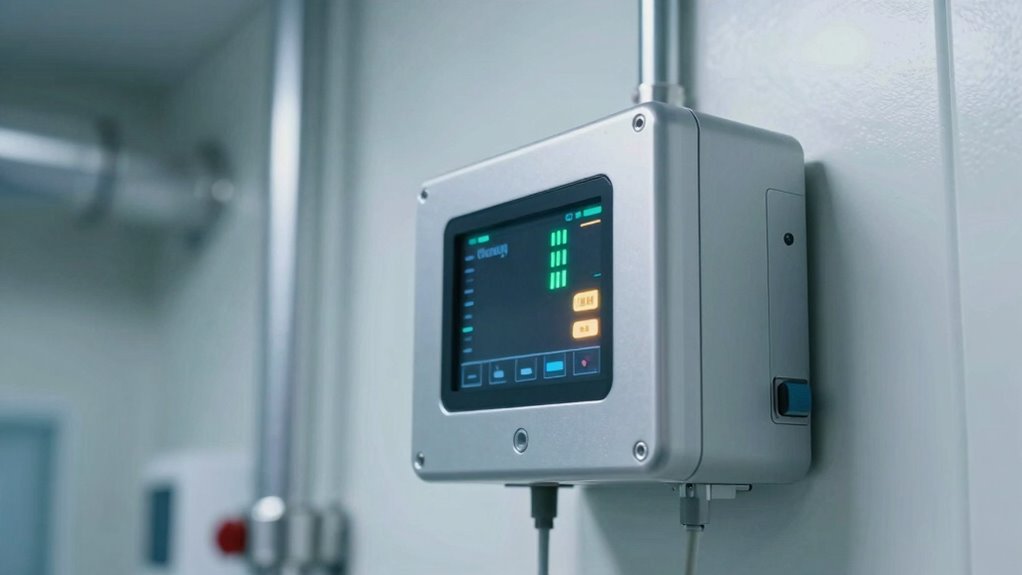

Oxygen deficiency monitors are essential because they detect subtle drops in air quality that can quickly become deadly. Without them, you might not notice the danger until symptoms like dizziness or unconsciousness occur. These devices serve as silent guards, constantly tracking oxygen levels and alerting you early to prevent accidents. Understanding how these systems work can help you better protect yourself and others in hazardous environments—more critical details await if you keep exploring.
Key Takeaways
- Oxygen deficiency often occurs silently, making early detection crucial to prevent life-threatening incidents.
- Monitors provide real-time alerts, helping workers recognize dangerous air quality changes before symptoms appear.
- Without proper monitoring, low oxygen levels can go unnoticed until severe health effects or accidents occur.
- Regular calibration and maintenance ensure monitors accurately detect subtle drops in oxygen levels.
- Integrating oxygen monitors into safety systems creates a proactive approach to managing invisible hazards.

Have you ever wondered how workplaces detect dangerous drops in oxygen levels? It’s a critical part of industrial safety, especially in environments where oxygen can unexpectedly diminish, such as confined spaces, manufacturing plants, or chemical processing facilities. Without proper detection, these drops can go unnoticed until someone starts experiencing symptoms like dizziness, confusion, or even loss of consciousness. That’s where oxygen deficiency monitors come into play—they act as silent sentinels, constantly tracking the air around you to ensure safety isn’t compromised.
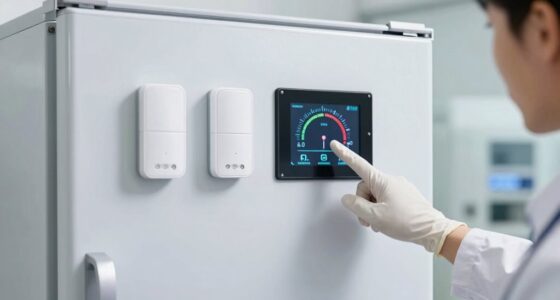
Oxygen deficiency monitors act as silent sentinels, constantly tracking air quality to protect workers from unseen hazards.
In industrial settings, respiratory monitoring is vital. These monitors are designed to measure oxygen levels continuously, alerting workers and supervisors the moment levels fall below safe thresholds. They serve as an early warning system, enabling quick action before anyone gets hurt. Without such technology, workers are vulnerable to the invisible threat of oxygen deprivation, which can escalate rapidly in certain conditions. The importance of these monitors isn’t just about compliance with safety regulations; it’s about safeguarding lives. When you’re working in an environment with potential oxygen hazards, knowing that an alert will sound if levels drop gives you peace of mind and allows you to respond swiftly.
Oxygen deficiency monitors are typically portable or fixed systems, depending on the nature of the work environment. Portable monitors are handy for workers entering confined spaces or areas where mobility is necessary, providing real-time data and alerts directly to the user. Fixed systems are installed in critical zones, constantly monitoring the air and triggering alarms if oxygen levels fall below safe limits. These devices often integrate with other safety systems, creating a comprehensive safety network that enhances industrial safety protocols. They feature reliable sensors that detect even slight changes in oxygen concentration, ensuring no drop goes unnoticed. Advances in sensor technology have made these monitors more accurate and responsive than ever before. Additionally, the integration of safety protocols with these devices ensures a coordinated response to emergencies. The ongoing development of monitoring systems continues to improve the speed and reliability of hazard detection, further reducing workplace risks. Regular calibration and maintenance are essential to ensure these sensors provide accurate readings over time, emphasizing the importance of preventive maintenance. The development of industrial safety standards has also helped establish best practices for their use and maintenance.
The technology behind these monitors has advanced significantly, making them more accurate and easier to use. Modern devices often include visual and audible alarms, ensuring that everyone nearby can respond immediately. Some monitors also connect to central safety management systems, providing real-time data to safety officers or control rooms. This integration allows for swift decision-making and coordinated responses to potential hazards. By prioritizing respiratory monitoring, industries can prevent accidents before they happen, making workplaces safer for everyone involved.
Ultimately, oxygen deficiency monitors are indispensable tools that protect workers from the unseen dangers of oxygen deprivation. They embody the principles of industrial safety by providing continuous, reliable respiratory monitoring that keeps hazards at bay. When you understand how these monitors work and their importance, it becomes clear that they’re not just equipment—they’re lifesavers. In environments where oxygen levels can plummet unexpectedly, these devices give you the crucial alert you need to act quickly and stay safe.

Fingertip Pulse Oximeter Blood Oxygen Saturation Monitor Pulse Ox, Heart Rate and Fast Spo2 Reading Oxygen Meter with OLED Screen Included Lanyard and 2 X AAA Batteries
- Large, Clear OLED Display: Shows SpO2, pulse rate, signal strength
- Portable and Lightweight: Fits in pocket, easy to carry
- One-Button Operation: Simple to use for all users
As an affiliate, we earn on qualifying purchases.
As an affiliate, we earn on qualifying purchases.
Frequently Asked Questions
How Often Should Oxygen Deficiency Monitors Be Calibrated?
You should calibrate your oxygen deficiency monitors at least every six months, but this depends on your specific equipment and usage conditions. Regular calibration frequency is essential to guarantee accuracy. Follow your manufacturer’s maintenance procedures closely, which may include daily checks and detailed calibration routines. Staying consistent with calibration helps prevent false alarms and ensures reliable readings, keeping your environment safe from unnoticed oxygen deficiencies.
Are Oxygen Deficiency Monitors Suitable for Residential Use?
Yes, oxygen deficiency monitors are suitable for residential use, enhancing your home safety. You should choose a device compatible with your home’s environment and guarantee it’s properly installed. These monitors detect low oxygen levels early, helping prevent dangerous situations. Regular maintenance and calibration are essential for reliable performance. By integrating these monitors into your home safety plan, you create a safer living space for you and your loved ones.
What Are the Common False Alarms With These Monitors?
False alarms with oxygen deficiency monitors often happen due to sensor sensitivity issues or false alarm causes like dust, humidity, or cooking fumes. You might find the alarms trigger unexpectedly if the sensor becomes overly sensitive or if environmental factors interfere. Regularly maintaining and calibrating your monitor can reduce false alarms, ensuring it functions accurately when you genuinely need it. Keep the sensor clean and check for potential environmental interferences.
How Do Oxygen Deficiency Monitors Differ From Regular Gas Detectors?
Oxygen deficiency monitors differ from regular gas detectors mainly through advanced oxygen sensor technology, which specifically measures oxygen levels in the environment. These monitors are designed to alert you before oxygen drops to dangerous levels, ensuring safety compliance standards are met. While regular gas detectors may detect various gases, oxygen deficiency monitors focus solely on oxygen, providing precise, real-time readings to prevent unseen risks in your workspace.
Can Oxygen Deficiency Monitors Operate in Extreme Temperatures?
Yes, oxygen deficiency monitors can operate in extreme temperatures, thanks to their temperature resilience. Many are designed specifically for extreme environments, ensuring accurate detection even in harsh conditions. You should look for models rated for high or low temperatures, as they maintain reliability and safety. Properly selected monitors help you manage oxygen levels effectively, regardless of environmental challenges, preventing dangerous situations before they escalate.
Conclusion
You might not notice the danger of oxygen deficiency until it’s too late. Imagine working in a confined space where a monitor alerts you to falling oxygen levels—prompting quick action before symptoms worsen. For instance, a factory worker once ignored early signs, only to suffer severe hypoxia. With reliable oxygen deficiency monitors, you can stay ahead of danger, ensuring safety and peace of mind. Don’t wait for the invisible to turn deadly—trust the technology protecting you.