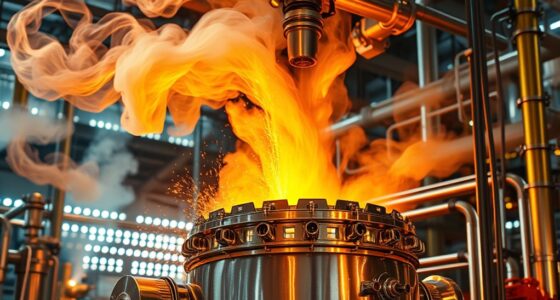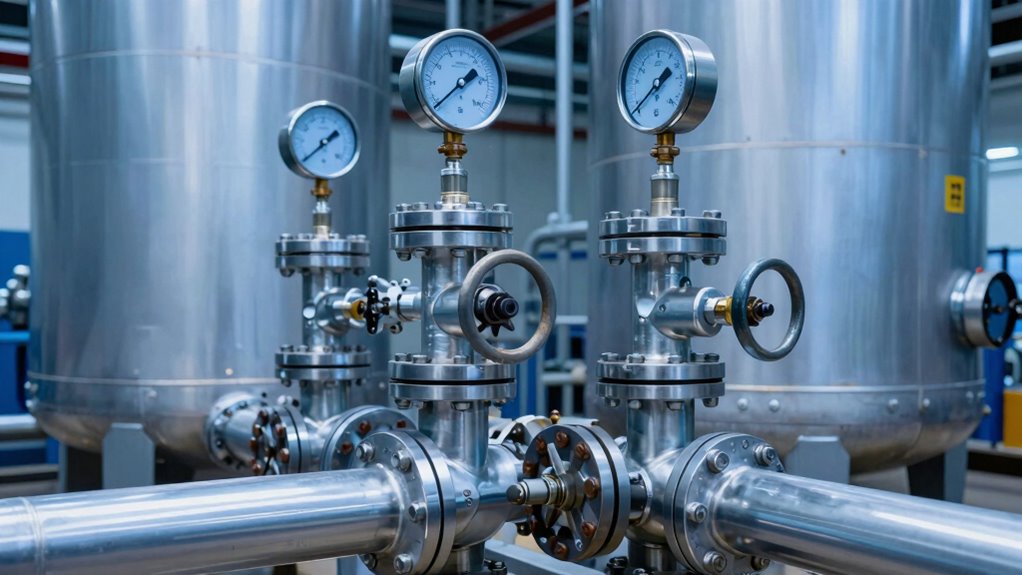

Ammonia refrigeration transformed industrial cooling by offering an efficient and sustainable solution for large-scale systems. Its high heat absorption and energy efficiency make it ideal for food processing and cold storage. While safety concerns exist, advances in protocols and technology help manage risks effectively. Its environmental benefits include minimal ozone depletion and low global warming potential. To discover how these innovations continue shaping the industry, explore further insights into ammonia’s role in refrigeration advancements.

Get school and study supplies delivered free — and shop member deals
- Fast, free delivery on millions of items
- Access to Prime Big Deal Days deals on October 6–7
- Prime Video, Amazon Music and more included
Key Takeaways
- Ammonia’s high latent heat enables efficient heat absorption, improving industrial cooling performance.
- Its energy efficiency reduces operational costs in large-scale refrigeration systems.
- Advances in safety protocols have made ammonia systems more reliable and widely adopted.
- Ammonia’s environmental benefits, such as low ozone depletion potential, support sustainable cooling solutions.
- Technological innovations have extended system lifespan and safety, shaping modern industrial refrigeration practices.
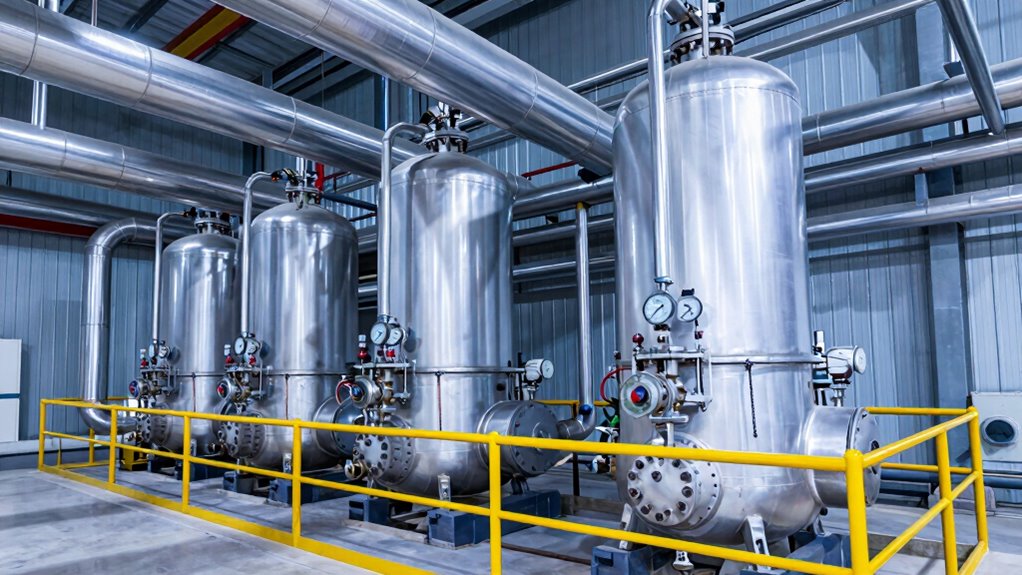
Ammonia is highly effective as a refrigerant because it has a high latent heat of vaporization, meaning it can absorb a lot of heat during evaporation, making it energy-efficient. This efficiency translates into significant cost savings for industries that rely on continuous cooling, like food processing plants and cold storage facilities. However, ammonia‘s toxicity is a critical consideration. If leaks occur, ammonia can pose health risks to workers and nearby communities, so safety measures and proper handling practices are essential. By managing ammonia’s toxicity risks through rigorous safety protocols, industries have been able to harness its benefits while minimizing hazards.
Ammonia’s high latent heat makes it energy-efficient, but its toxicity requires strict safety measures to protect health and safety.
The refrigerant lifecycle is central to understanding ammonia’s role in industrial cooling. It begins with production, where ammonia is manufactured mainly from natural gas, making it a relatively sustainable choice compared to synthetic refrigerants. Once in use, ammonia undergoes regular maintenance and safety inspections to prevent leaks and ensure peak performance. When systems reach the end of their operational lifespan, responsible disposal or recycling becomes necessary. Proper handling during disposal prevents environmental contamination and ensures compliance with regulations. Over time, advancements in system design have improved the efficiency and safety of ammonia refrigeration, extending the lifespan of equipment and reducing environmental impact. Additionally, ongoing research into safety measures continues to improve the safety standards of ammonia systems, making them more reliable and reducing risks further. Furthermore, adopting innovative technologies can enhance system safety and efficiency, ensuring long-term sustainability.
You should also recognize that ammonia refrigeration systems are often favored for their longevity and lower environmental footprint, especially since ammonia doesn’t deplete the ozone layer and has minimal global warming potential. This makes it a sustainable choice for industries seeking to reduce their carbon footprint. That said, the full lifecycle approach emphasizes responsible management—from production through disposal—to maximize benefits and mitigate risks. As technology evolves, newer systems incorporate better safety features, further extending the lifespan and enhancing overall sustainability. Recognizing the importance of lifecycle management, industries are increasingly adopting comprehensive strategies for ammonia use. Additionally, ongoing innovations in system design continue to improve safety, efficiency, and environmental impact.
A key aspect of this ongoing development is the integration of advanced safety protocols, which help further mitigate the inherent risks associated with ammonia refrigeration. In essence, ammonia refrigeration has shaped industrial cooling by offering an efficient, sustainable, and cost-effective solution, provided that the challenges of toxicity are properly managed. Its impact continues today, driving innovations that prioritize safety, efficiency, and environmental responsibility throughout its lifecycle.
As an affiliate, we earn on qualifying purchases.
Frequently Asked Questions
What Safety Measures Are Necessary for Handling Ammonia Refrigerant?
To handle ammonia refrigerant safely, you must follow strict containment protocols to prevent leaks and exposure. Always wear proper protective gear, such as goggles, gloves, and respirators, to guard against ammonia toxicity. Regularly inspect equipment for leaks, guarantee proper ventilation, and have emergency procedures in place. Training personnel on safe handling practices minimizes risks, guaranteeing safe operation and quick response if accidental releases occur.
How Does Ammonia Compare to Other Refrigerants Environmentally?
Ammonia is environmentally friendly compared to many refrigerants because it has a low global warming potential and doesn’t deplete the ozone layer. Its environmental impact is minimal, especially since it naturally breaks down and doesn’t contribute considerably to greenhouse gases. When handled properly, ammonia’s eco-friendliness makes it a sustainable choice for industrial cooling, helping reduce your overall carbon footprint.
What Are Common Maintenance Challenges in Ammonia Refrigeration Systems?
Think of ammonia refrigeration systems as high-maintenance engines. You’ll face challenges like leak detection, since ammonia leaks can be hazardous, and corrosion prevention, because moisture and ammonia can cause metal deterioration. Regular inspections and monitoring are your best friends here. Ensuring seals are tight and materials are corrosion-resistant helps keep the system running smoothly. Staying proactive in maintenance prevents costly downtime and keeps your coolers functioning efficiently.
How Has Ammonia Refrigeration Technology Evolved Over Time?
You’ve seen how ammonia refrigeration technology has evolved through historical innovations and technological advancements. Early systems relied on basic compression methods, but now, you benefit from modern features like automated controls, improved safety measures, and energy-efficient designs. These innovations have increased system reliability, reduced maintenance, and enhanced environmental safety, making ammonia refrigeration more effective and sustainable for industrial cooling needs over time.
What Industries Primarily Rely on Ammonia-Based Cooling Systems?
You’ll find ammonia-based cooling systems mainly in industries like food processing, refrigeration, and cold storage facilities. These systems rely on ammonia’s efficiency, but you must be cautious of ammonia toxicity and refrigerant leaks. Regular maintenance and safety protocols are essential to prevent leaks, protect workers, and guarantee the environment stays safe. Despite its risks, ammonia remains a preferred refrigerant due to its excellent thermodynamic properties.
Conclusion
You now see how ammonia refrigeration transformed industrial cooling, making it more efficient and reliable. Did you know that ammonia systems can operate at temperatures as low as -50°F, far surpassing many modern alternatives? This incredible capability has helped industries save billions in energy costs while maintaining product quality. As you can imagine, ammonia’s role in shaping today’s refrigeration technologies remains essential, ensuring industries stay cool and productive for years to come.
Fall Picks
fall essentials
As an affiliate, we earn on qualifying purchases.