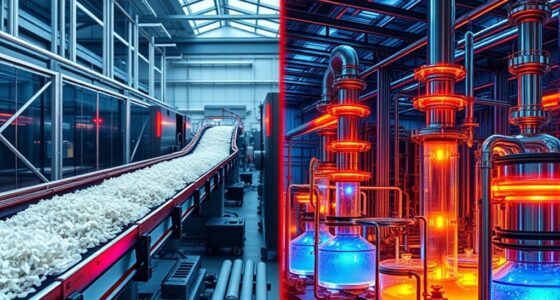

You can convert CO2 into valuable chemicals like methanol, polycarbonates, and urea through catalytic processes that turn waste into resources. This approach uses specially designed catalysts to make these transformations more efficient, sustainable, and energy-saving. By shifting CO2 from a greenhouse gas to useful products, you help reduce emissions and support eco-friendly manufacturing. Stay with us to explore how these innovative methods are shaping a greener future.

Get school and study supplies delivered free — and shop member deals
- Fast, free delivery on millions of items
- Access to Prime Big Deal Days deals on October 6–7
- Prime Video, Amazon Music and more included
Key Takeaways
- CO2 can be converted into valuable chemicals like methanol, polycarbonates, and urea using specialized catalysts.
- Catalytic processes enable sustainable production of these chemicals from greenhouse gases, reducing environmental impact.
- Methanol produced from CO2 serves as a renewable feedstock for fuels and chemicals.
- Polycarbonates synthesized from CO2 are durable plastics with recyclability, supporting eco-friendly materials.
- Advanced catalysts improve efficiency, selectivity, and energy savings in CO2-to-chemical conversion processes.

Have you ever wondered how carbon dioxide, a major greenhouse gas, can be transformed into valuable chemicals? This fascinating process hinges on catalytic conversion, a technique that uses catalysts to accelerate chemical reactions without being consumed. By harnessing catalytic conversion, scientists and engineers are developing methods to turn CO2 into useful products, paving the way for sustainable manufacturing practices. Instead of seeing CO2 solely as a waste product contributing to climate change, it becomes a resource for creating chemicals essential in everyday life.
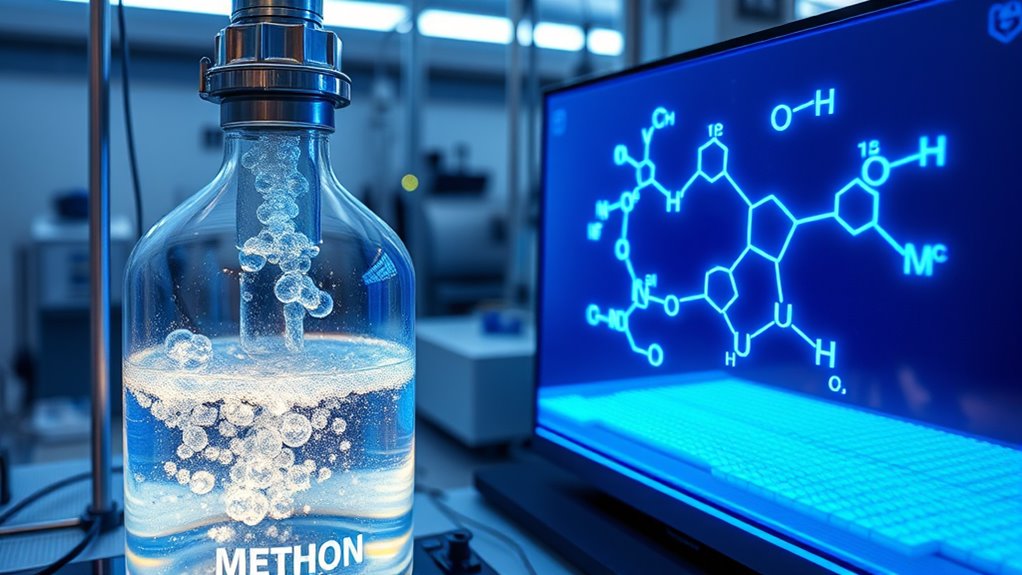
One of the most promising chemicals produced through this process is methanol. Using specialized catalysts, CO2 can be hydrogenated, or combined with hydrogen, to produce methanol efficiently. This approach not only reduces greenhouse gases in the atmosphere but also provides a renewable feedstock for the chemical industry. Methanol serves as a versatile building block for fuels, solvents, and plastics, making it a key component in moving toward greener manufacturing. The challenge lies in optimizing catalytic systems to operate under mild conditions, ensuring the process remains energy-efficient and economically viable. Advances in catalyst design are essential, as they help lower the energy inputs needed, aligning with the goals of sustainable manufacturing. By adopting these innovations, industries can produce methanol with a smaller carbon footprint and less reliance on fossil fuels.
Beyond methanol, CO2 can be transformed into polycarbonates—robust plastics used in everything from eyewear to electronics. The process involves catalytic reactions that incorporate CO2 into polymer chains, creating materials with excellent durability and recyclability. This not only offers a sustainable way to produce plastics but also helps in reducing plastic waste and dependence on traditional petrochemical sources. Similarly, CO2 can be converted into urea, a key fertilizer in agriculture. Catalytic conversion techniques enable the synthesis of urea from CO2 and ammonia, providing a renewable pathway for fertilizer production that can minimize environmental impact. Incorporating advanced catalysts is crucial to improving efficiency and selectivity in these processes, making CO2 utilization more practical and scalable.
catalytic converter for CO2 to methanol
As an affiliate, we earn on qualifying purchases.
As an affiliate, we earn on qualifying purchases.
Frequently Asked Questions
What Are the Main Challenges in Commercializing Co2-To-Chemical Technologies?
You face significant challenges in commercializing CO2-to-chemical technologies, mainly due to scalability issues that make large-scale production difficult and costly. Economic hurdles also play a role, as high initial investments and uncertain market demand limit profitability. Overcoming these obstacles requires advancements in process efficiency, reducing costs, and developing supportive policies to make these technologies viable and competitive with traditional methods.
How Does the Energy Source Impact CO2 Conversion Efficiency?
Think of the energy source as the fuel powering a lighthouse; it determines how brightly you can guide the way. Your choice impacts the conversion efficiency because renewable sources like solar or wind offer cleaner, more sustainable energy, improving efficiency. Conversely, fossil fuels may introduce inefficiencies due to higher emissions and energy losses. Selecting the right energy source is vital to maximizing CO2 conversion and achieving environmentally friendly results.
What Are the Environmental Benefits of Co2-Derived Chemicals?
You’ll reduce your carbon footprint by using CO2-derived chemicals, which helps lower greenhouse gas emissions. These processes promote resource conservation by recycling CO2 instead of relying on fossil fuels, minimizing environmental impact. By adopting such chemicals, you contribute to a more sustainable future, decrease pollution, and support renewable practices. Overall, CO2-derived chemicals offer significant environmental benefits by making industrial processes greener and more efficient.
Which Industries Are Most Likely to Adopt Co2-To-Chemicals Processes First?
Think of industries as early explorers, enthusiastic to chart new territories. You’ll find that sectors like chemical manufacturing, plastics, and agriculture are most likely to adopt CO2-to-chemicals first. They’re driven by environmental goals and market readiness, pushing industrial innovation. These industries see the potential to reduce carbon footprints while staying competitive, making them trailblazers in turning CO2 into valuable chemicals.
What Are Future Research Directions for Enhancing CO2 Utilization?
You should focus on developing innovative catalysts that increase efficiency and selectivity, making CO2 utilization more viable. Additionally, process optimization is key; refining reaction conditions can reduce energy consumption and costs. Future research could explore new materials and integrated systems to enhance conversion rates. These directions will help you overcome current limitations, accelerate adoption, and create sustainable pathways for turning CO2 into valuable chemicals.
Conclusion
By transforming CO2 into valuable chemicals like methanol, polycarbonates, and urea, you’re turning a problem into an opportunity. This process not only helps reduce greenhouse gases but also opens doors to sustainable solutions. Think of it as killing two birds with one stone—you minimize emissions and create useful products. Embracing these innovations puts you at the forefront of eco-friendly chemistry, proving that with ingenuity, you can make a real difference in protecting our planet.
Fall Picks
fall essentials
As an affiliate, we earn on qualifying purchases.