

The return of domestic solvent production isn’t just a temporary response to recent disruptions; it reflects a stronger, long-term shift. You’re likely to see companies prioritize supply chain resilience, environmental sustainability, and local manufacturing. While international markets still offer cost benefits, ongoing events suggest this trend could become a lasting change in the industry. To understand what’s driving these shifts and how they might impact the future, keep exploring the key factors shaping this industry evolution.

Get school and study supplies delivered free — and shop member deals
- Fast, free delivery on millions of items
- Access to Prime Big Deal Days deals on October 6–7
- Prime Video, Amazon Music and more included
Key Takeaways
- Rising supply chain resilience and geopolitical tensions are driving sustained investments in domestic solvent production.
- Environmental benefits and sustainability initiatives support the long-term shift toward local manufacturing.
- Industry experts debate if the trend is temporary or a permanent industry transformation.
- Post-disruption adaptation and broader sustainability goals suggest ongoing growth in domestic production.
- The future depends on industry integration of new practices, market dynamics, and environmental priorities.
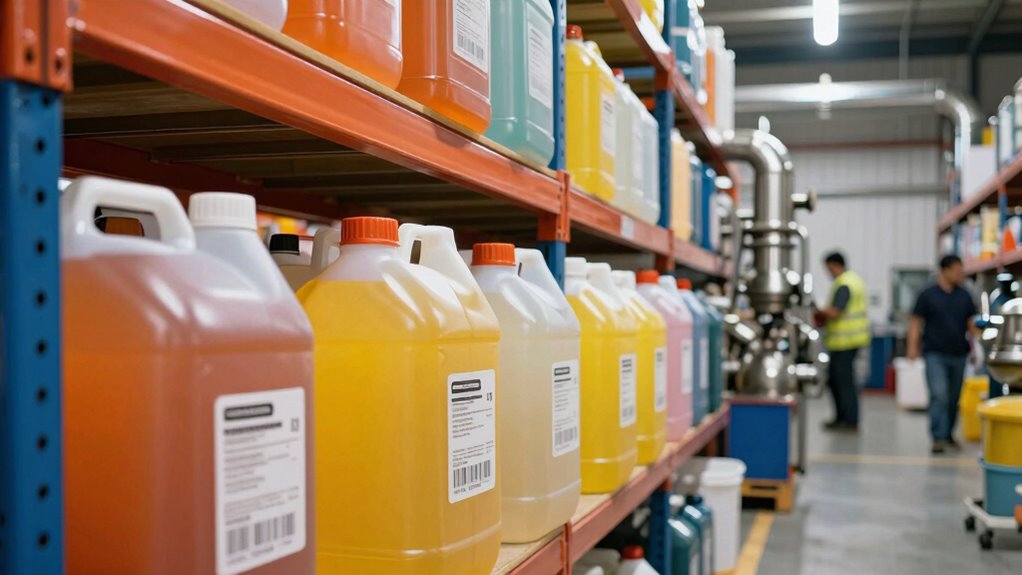
Have you wondered what’s driving the resurgence of domestic solvent production? It’s a combination of factors, but one of the most significant is the desire to strengthen supply chain resilience. Over recent years, disruptions—whether caused by global events, trade tensions, or transportation delays—have exposed vulnerabilities in relying heavily on imported solvents. By boosting local production, industries aim to reduce dependence on international suppliers, ensuring a steadier, more reliable supply. This shift not only helps companies avoid costly delays but also provides a strategic advantage in unpredictable markets, giving you peace of mind that essential materials are always available.
Boosting local solvent production enhances supply chain resilience and ensures reliable, on-demand access to essential materials.
At the same time, this trend is closely tied to concerns about environmental impact. Domestic production offers better control over manufacturing processes, enabling stricter adherence to environmental standards. You can expect new facilities to incorporate cleaner technologies and eco-friendly practices, reducing overall emissions and pollution. This approach aligns with broader efforts to lessen the environmental footprint of chemical manufacturing, making the entire supply chain more sustainable. As a result, the move toward local solvent production is not just about economic resilience but also about minimizing environmental harm—something increasingly important to consumers and regulators alike.
However, whether this surge is a lasting change or a temporary spike remains a subject of debate. Some experts believe the current push for domestic production will stabilize once supply chain issues resolve and international trade normalizes. They argue that global markets still offer cost advantages and that international sourcing will remain a significant part of the industry’s fabric. Yet, others see this as the beginning of a fundamental shift. The emphasis on supply chain resilience, driven by recent disruptions, may encourage industries to continue investing in local facilities and technologies, even when global stability returns. This could lead to a more balanced and diversified supply network, reducing risks associated with over-reliance on distant suppliers.
Ultimately, whether this is a temporary spike or a long-term trend depends on how effectively industries can integrate these changes into their operations. The push for domestic solvent production is propelled by immediate needs to bolster supply chain resilience and reduce environmental impact, but it also taps into broader movements toward sustainability and local manufacturing. If these priorities remain central in the coming years, it’s likely that the return of domestic solvent production will endure beyond the current moment, reshaping the industry’s landscape for good. Emphasizing local manufacturing, which supports both economic resilience and environmental goals, could solidify this shift as a lasting trend.
eco-friendly solvent manufacturing equipment
As an affiliate, we earn on qualifying purchases.
As an affiliate, we earn on qualifying purchases.
Frequently Asked Questions
What Are the Environmental Impacts of Increased Solvent Production?
You might notice increased solvent production affecting environmental sustainability, as more emissions could be released during manufacturing. This rise can challenge emission reduction efforts, potentially increasing air pollution and impacting local ecosystems. However, if companies adopt cleaner technologies and sustainable practices, they can mitigate these impacts. By prioritizing eco-friendly methods, you help support a balance between industrial growth and environmental health, ensuring responsible production without compromising the planet.
How Does Domestic Solvent Quality Compare to Imported Products?
You’ll find that domestic solvent quality often surpasses imported products, like a shining star in a night sky. This is thanks to strict quality assurance protocols and enhanced supply consistency. When production stays local, you benefit from fresher, more reliable solvents that meet high standards. This consistency guarantees your projects aren’t interrupted by delays or quality issues, giving you peace of mind and confidence in every application.
What Regulations Influence the Resurgence of Local Solvent Manufacturing?
Regulatory compliance greatly influences the resurgence of local solvent manufacturing, as stricter environmental standards push companies to produce domestically. Manufacturing incentives, like tax breaks and government grants, also motivate businesses to boost local production. You’ll find these regulations and incentives create a more favorable environment for domestic solvent plants, encouraging innovation, reducing import dependency, and ensuring products meet quality and safety standards, ultimately supporting a sustainable and resilient industry.
Are There Significant Cost Differences Between Domestic and Imported Solvents?
You’ll find that domestic solvents often cost about 10-20% more upfront than imported ones, primarily due to higher production expenses. However, this cost efficiency can be offset by improved supply stability, reducing delays and shortages. Plus, supporting local manufacturing helps avoid import tariffs and logistical issues, making domestic options more reliable in the long run. So, while initially pricier, domestic solvents can offer better overall value.
How Might Global Supply Chain Disruptions Affect Future Solvent Availability?
Global supply chain disruptions can threaten your solvent availability, making it vital to focus on supply chain resilience. By diversifying manufacturing sources, you reduce reliance on single regions and mitigate delays. These strategies guarantee you maintain steady solvent supplies, even during disruptions. Strengthening your supply chain resilience and embracing manufacturing diversification help you adapt quickly, minimize production hiccups, and keep your operations running smoothly despite global uncertainties.
Conclusion
So, is this surge in domestic solvent production a sustained story or just a fleeting flash? Only time will tell whether this trend turns into a trustworthy turnaround or simply a temporary tick. Stay vigilant and vigilant, because with the right resources, resilience, and reactions, you can navigate this nuanced niche. Keep your eyes open, your options open, and your outlook optimistic — the solvent story is still unfolding, after all.
Halloween Picks
halloween
As an affiliate, we earn on qualifying purchases.