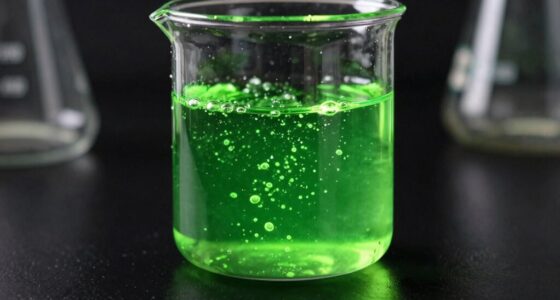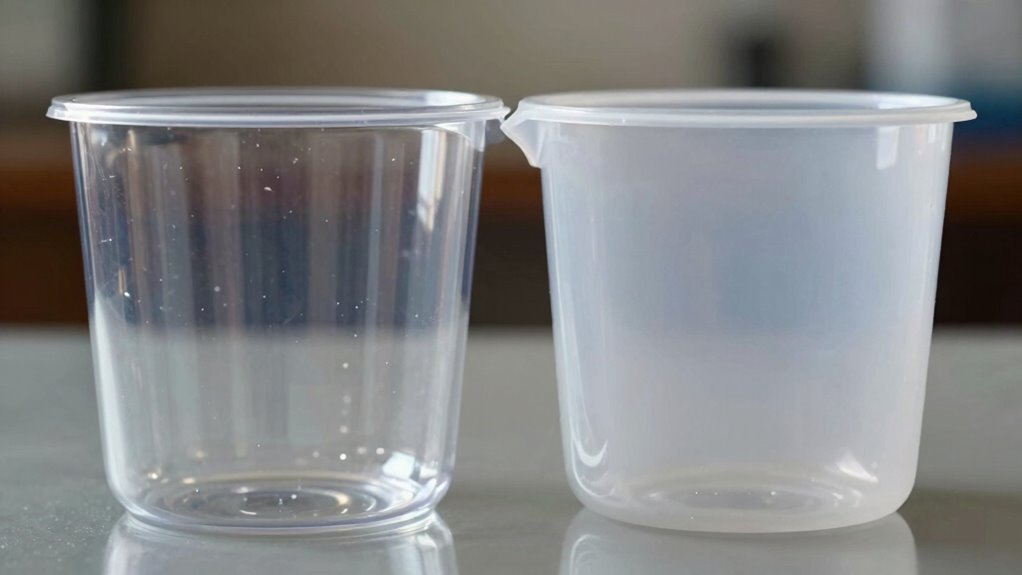

Not all plastics leach chemicals in the same way because their composition, additives, and conditions of use vary. Some plastics like PET are generally safer for single use, while others like PVC may release harmful substances due to added chemicals. Heat, sunlight, and acidity can increase leaching, especially with plastics containing plasticizers. To better understand how different plastics behave and what influences their safety, keep exploring the details behind plastic leaching.

Get school and study supplies delivered free — and shop member deals
- Fast, free delivery on millions of items
- Access to Prime Big Deal Days deals on October 6–7
- Prime Video, Amazon Music and more included
Key Takeaways
- Different plastics contain varying additives, affecting their likelihood and rate of chemical leaching.
- Heat, light, and acidic conditions accelerate leaching differently depending on plastic type.
- PET is generally safer for single-use, while PVC and other plastics may leach harmful substances.
- Resistance to heat varies; some plastics like HDPE leach less when heated compared to others like PVC.
- Chemical stability and breakdown influence how and when plastics release substances into contents.

Plastic types are classified into various categories based on their chemical composition, such as PET (polyethylene terephthalate), HDPE (high-density polyethylene), PVC (polyvinyl chloride), LDPE (low-density polyethylene), PP (polypropylene), and PS (polystyrene). Each of these types has unique properties and uses, but what’s critical is how they behave when exposed to heat, sunlight, or acidic contents. For example, PET is commonly used in water bottles and is generally considered safe for single use, but under high temperatures, it can release chemicals. PVC, on the other hand, contains plasticizers and additives that are more likely to leach harmful substances, especially when heated or degraded.
The leaching mechanisms of plastics depend heavily on their plastic types and the conditions they face. Leaching involves chemicals migrating from the plastic into whatever it contains—be it food, liquids, or other substances. This process isn’t uniform across all plastics; some are more prone to leaching than others. For instance, plastics containing additives like plasticizers or stabilizers can release these chemicals over time, especially when exposed to heat or UV radiation. The mechanisms behind this leaching involve the breakdown of the plastic’s molecular structure, allowing certain chemicals to migrate into the contents. Additionally, the chemical composition of different plastics influences their susceptibility to chemical migration, making some types safer than others under specific conditions. It’s also worth noting that plastic degradation can accelerate the leaching process, further increasing potential risks. Furthermore, ongoing research suggests that certain additives may be linked to health concerns, emphasizing the importance of understanding plastic safety.
It’s also important to recognize that the duration of contact and temperature play significant roles in leaching. When you heat plastic containers, the rate at which chemicals leach increases. That’s why microwaving food in certain plastics can be risky—some plastics break down and release chemicals faster at high temperatures. Conversely, plastics like HDPE are more resistant to heat and less likely to leach harmful substances when used appropriately. Moreover, the chemical stability of plastics under various conditions can vary greatly, impacting their safety during use.
As an affiliate, we earn on qualifying purchases.
Frequently Asked Questions
Are Certain Plastics Safer Than Others for Food Storage?
Certain plastics are safer for food storage because they’re designed with food-grade standards and don’t leach harmful chemicals. You should look for plastics labeled with recycling codes like #1 (PET) or #2 (HDPE), which are generally safer. Remember, choosing plastics with better recycling options reduces environmental impact. Always avoid plastics that aren’t food-safe, and consider reducing plastic use altogether for a healthier environment and safer food storage.
How Do Manufacturing Processes Influence Plastic Leaching?
Think of plastics as a garden of diverse plants, each with unique traits. Your manufacturing process is like a gardener’s touch, shaping polymer structures and influencing how much they leach. Variability in manufacturing—temperature, additives, curing—can cause differences in leaching behavior. So, you control the environment and methods, and you decide which plastics are safer for food storage, because manufacturing variability directly impacts how plastics interact with your food.
Can Plastic Leaching Occur Without Visible Signs?
Yes, plastic leaching can occur without visible signs. Chemical migration from plastics into food or liquids often happens silently, posing environmental impact concerns. You might not see any change, but harmful chemicals could still be leaching out, especially when plastics are exposed to heat or prolonged contact. This invisible process underscores the importance of choosing safer plastics and minimizing exposure to reduce potential health and environmental risks.
What Chemicals Are Commonly Leached From Plastics?
Imagine plastics as silent vaults, quietly releasing secrets. Common chemicals involved in chemical migration include BPA, phthalates, and styrene—each a toxic compound that can seep into your food or drinks. These substances can disrupt hormones or pose health risks. Not all plastics release the same chemicals, so it’s wise to choose products labeled as BPA-free or food-safe, reducing your exposure to potential hazards lurking in everyday items.
Do Age and Usage Affect Plastic Leaching Rates?
Age and usage considerably impact plastic leaching rates. Over time, chemical migration can increase due to wear, exposure to heat, or environmental factors. As plastics age, they may break down or become more porous, allowing more chemicals to leach into food or liquids. Environmental exposure also accelerates this process. So, the longer and more frequently plastics are used, especially under harsh conditions, the higher the risk of chemical migration.
Conclusion
So, next time you grab a plastic bottle, remember—it’s not all the same villain in disguise. Some plastics are sneaky leachers, while others play it cool. Don’t fall for the myth that they all leak toxins equally; that’s like saying all villains wear black. Stay informed, choose wisely, and don’t let plastic’s deception fool you. After all, in the world of chemicals, variety truly is the spice of toxicity.
Halloween Picks
halloween
As an affiliate, we earn on qualifying purchases.