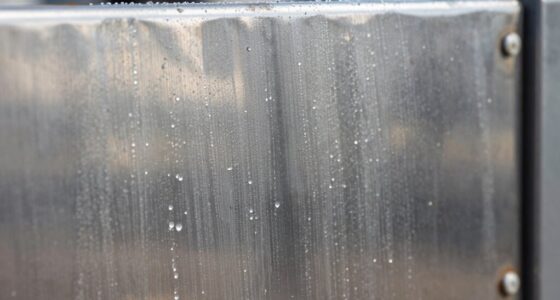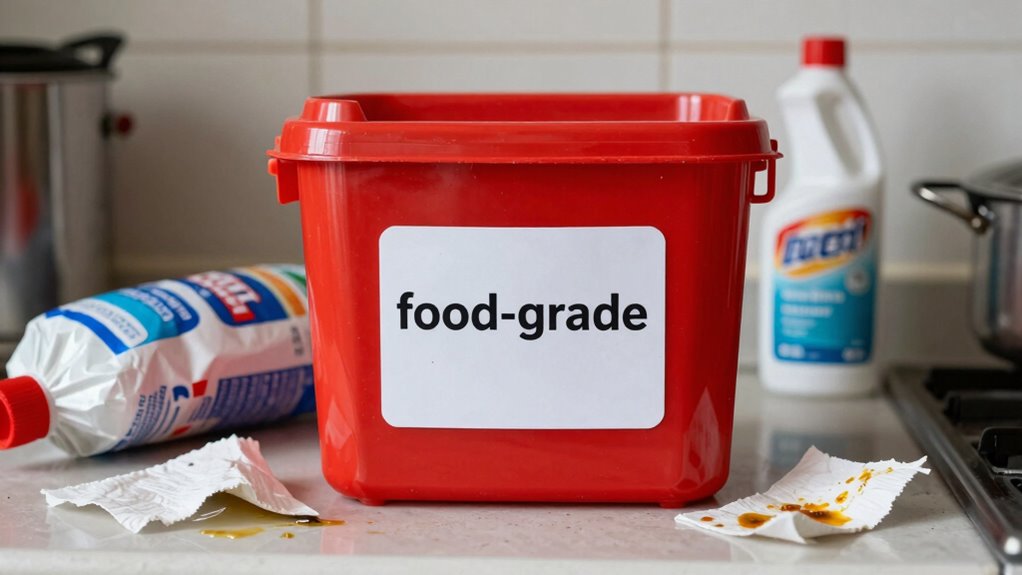

Many believe that “food-grade” guarantees safety in all situations, but that’s a myth. This label shows the material meets certain standards now, but it doesn’t mean it’s safe under all conditions or for long-term use. Factors like heat, acidity, and repeated washing can cause chemicals to leach out over time. To make better choices, it’s useful to understand what “food-grade” truly signifies and how it can vary. Keep exploring to learn more about what’s behind this label.

Get school and study supplies delivered free — and shop member deals
- Fast, free delivery on millions of items
- Access to Prime Big Deal Days deals on October 6–7
- Prime Video, Amazon Music and more included
Key Takeaways
- “Food-grade” labels do not guarantee safety under all conditions, such as high heat or acidity.
- Chemical leaching can occur over time, even with food-grade materials.
- Standards for “food-grade” vary internationally and may not ensure long-term safety.
- Repeated use and cleaning degrade materials, increasing potential risks despite initial labeling.
- Long-term safety depends on proper use, maintenance, and understanding material limitations.
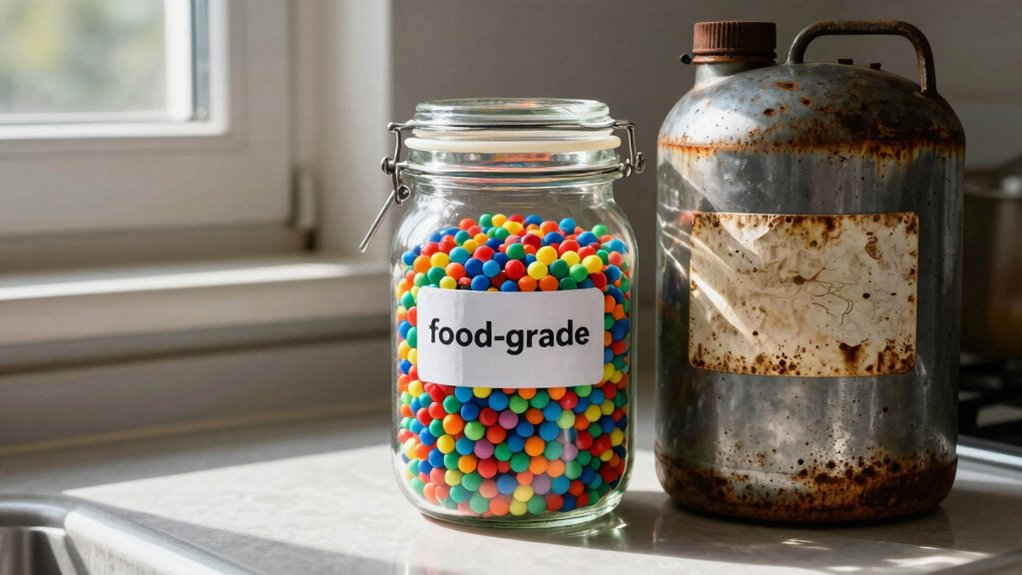
Many people assume that if a product is labeled “food-grade,” it’s safe to use in any situation involving food, but this isn’t necessarily true. The label can be misleading because it suggests safety without considering the specific conditions or durations of use. Just because a material meets certain standards for food contact doesn’t mean it’s immune to issues like chemical leaching or that it’s safe for long-term safety. You need to look beyond the label and understand what it really signifies. Additionally, the safety standards for food-grade materials can vary significantly depending on the manufacturing process and regional regulations.
Chemical leaching is a key concern when using food-grade materials. Over time, certain substances within these materials can migrate into your food or liquids, especially when exposed to heat, acidity, or repeated use. For example, plastics that are considered food-grade may still release chemicals if they’re subjected to high temperatures or prolonged contact. This process, called chemical leaching, can introduce potentially harmful compounds into your food, which might not be immediately apparent. Just because a product is labeled as safe initially doesn’t mean it won’t pose risks after extended exposure.
Long-term safety is another critical factor. Many food-grade products are tested to ensure they are safe for short-term contact, but their safety over months or years isn’t always guaranteed. Repeated use, cleaning, and exposure to various environmental factors can degrade materials, increasing the likelihood of chemical migration. If you rely on food-grade containers, utensils, or storage options, you should consider how they hold up over time. Some plastics, for instance, may become brittle or degrade, making them more prone to leaching chemicals into your food. Metals might corrode or develop coatings that break down, creating similar concerns.
You also need to recognize that food-grade standards vary across different materials and manufacturers. A product labeled “food-grade” in one country might not meet the same safety criteria elsewhere. This inconsistency means you should be cautious and do your own research about the specific materials you plan to use. Just because a product has the label doesn’t mean it’s suitable for all types of food storage or preparation, especially in high-heat situations or with acidic foods.
In essence, the label “food-grade” is a helpful starting point, but it’s not a guarantee of safety in every context or over the long term. You must consider factors like chemical leaching and long-term safety to truly protect your health. Always check the material’s specifications, understand its limitations, and be vigilant about how you use and maintain your food-related products. This way, you avoid falling for the myth that food-grade automatically equals completely safe in all situations. Being aware of regulatory standards and how they apply can help you make more informed choices.
food-grade plastic containers for high heat
As an affiliate, we earn on qualifying purchases.
As an affiliate, we earn on qualifying purchases.
Frequently Asked Questions
Can Food-Grade Materials Be Reused Indefinitely Without Safety Concerns?
You can’t reuse food-grade materials indefinitely without safety concerns. Over time, their material durability decreases, which can compromise food safety due to wear, scratches, or contamination. Even food-grade plastics or metals are prone to degradation after multiple uses, risking bacteria buildup or chemical leaching. Regularly inspecting and replacing these materials guarantees you maintain safety standards and prevent potential health hazards. Always prioritize safety over prolonged reuse.
Are All Food-Grade Plastics Suitable for High-Temperature Applications?
Think of food-grade plastics as brave explorers with different armor. Not all are suited for high-temperature adventures; some lack the temperature resistance needed for such journeys. You must check their chemical stability and temperature resistance before trusting them in hot environments. Using the wrong plastic in high heat can cause degradation or contamination. So, always verify if your food-grade plastic can withstand the heat to keep your safety intact.
Do Food-Grade Labels Guarantee No Chemical Leaching Over Time?
Food-grade labels don’t guarantee no chemical leaching over time, as chemical stability varies with usage and conditions. You should trust label accuracy, but also consider factors like temperature, acidity, and storage duration. Over time, some chemicals may leach, especially if the plastic is exposed to high heat or wear. Always follow manufacturer guidelines and regularly inspect your containers to minimize health risks, even with food-grade materials.
Can Food-Grade Containers Be Used for Non-Food Substances Safely?
You can use food-grade containers for non-food substances, but beware of chemical interactions that can compromise safety. Imagine a container as a protective shell—if it’s designed for food, it’s durable for that purpose, but other chemicals might cause reactions or degrade the material. Over time, chemical leaching could occur, so always check if the container’s intended use matches your needs to prevent damage or contamination.
Are Food-Grade Products Tested for Long-Term Environmental Exposure?
Food-grade products are tested for chemical stability under regulatory standards, but they aren’t necessarily designed for long-term environmental exposure. You should know that environmental factors like UV rays, temperature changes, and chemicals can degrade these materials over time. While they meet safety regulations for food contact, they might not hold up safely in prolonged outdoor or industrial settings. Always consider specific environmental conditions before repurposing food-grade products for non-food uses.
Conclusion
You might think that just because something is labeled food-grade, it’s safe for all uses and in every situation. But that’s a myth. Food-grade simply means the material meets certain safety standards for contact with food, not that it’s suitable for all purposes or conditions. Always check the specific guidelines and intended uses. Don’t assume safety—research and follow proper recommendations to avoid potential risks.
Halloween Picks
halloween
As an affiliate, we earn on qualifying purchases.