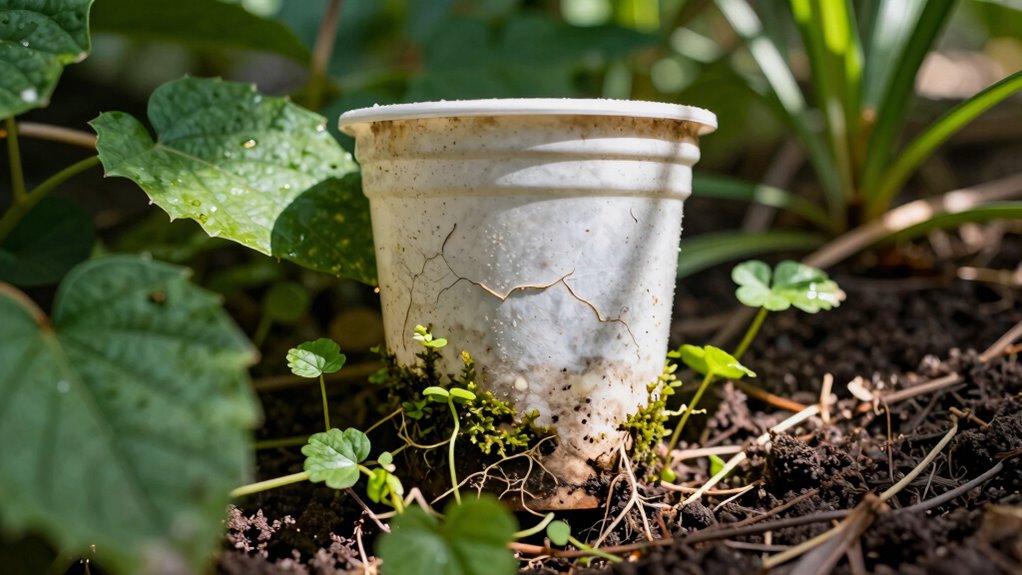

Many people think all bioplastics can be composted anywhere, but that’s not true. Not all bioplastics break down quickly or even in home composts. Their decomposition depends on the chemical structure and disposal environment. Some require industrial facilities with high temperatures to decompose properly. If you want to reduce environmental harm, it’s important to understand each bioplastic’s disposal requirements. Keep exploring to learn how to handle bioplastics responsibly and minimize contamination.

Get school and study supplies delivered free — and shop member deals
- Fast, free delivery on millions of items
- Access to Prime Big Deal Days deals on October 6–7
- Prime Video, Amazon Music and more included
Key Takeaways
- Not all bioplastics decompose quickly or in home composts; many require industrial facilities.
- Durability and decomposition rates vary depending on bioplastic type and environmental conditions.
- Many bioplastics can contaminate recycling streams if not properly sorted and disposed of correctly.
- Proper disposal depends on understanding specific bioplastic requirements and suitable composting environments.
- Assuming bioplastics compost anywhere is a misconception; proper disposal is essential for environmental benefits.
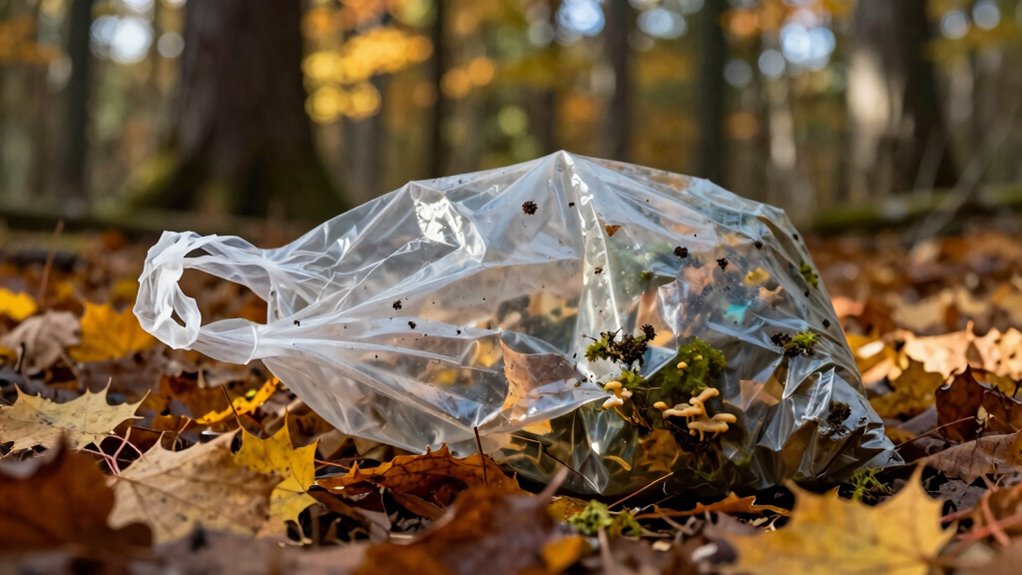
Have you ever assumed that all bioplastics can be composted anywhere? It’s a common misconception. Many people believe that because bioplastics are made from renewable resources, they automatically break down in any composting environment. However, that’s not entirely accurate. The reality is that bioplastics have varying levels of durability, which directly impacts their compostability. Some are designed to decompose quickly in industrial compost facilities, while others are much more resistant, taking months or even years to break down. This durability depends on their chemical structure and the specific type of bioplastic used. If you toss a bioplastic product into a home compost bin, it might not degrade as expected, especially if it’s not designed for such conditions. Additionally, bioplastic types can vary significantly in their decomposition rates and environmental impact. This leads to the second issue—recycling challenges. Not all bioplastics are compatible with traditional recycling streams. Many are labeled as “compostable,” but they can contaminate recycling processes if mixed with conventional plastics. Recycling facilities often struggle to sort and process bioplastics correctly, leading to increased waste and inefficiencies. The challenge is compounded by the fact that some bioplastics look similar to regular plastics, causing confusion among consumers. When contaminated, the recycling process becomes less effective, and more waste ends up in landfills. Furthermore, the environment where you dispose of bioplastics matters. Industrial composting facilities operate at higher temperatures and controlled conditions, which are necessary to break down certain bioplastics efficiently. In contrast, home compost bins may not reach the temperatures needed, leading to incomplete decomposition. This difference underscores why not all bioplastics are suitable for any composting environment. Understanding the decomposition process is crucial for proper disposal and minimizing environmental impact. To improve the efficacy of composting efforts, it’s vital to select bioplastics with the appropriate degradation specifications for your disposal method. Proper disposal practices can significantly reduce plastic waste and promote sustainability. Additionally, being aware of the environmental conditions required for specific bioplastics can help prevent improper disposal. If you want to guarantee proper disposal, it’s essential to check the manufacturer’s guidelines and understand whether a bioplastic product is designed for industrial composting or home composting.
industrial compostable bioplastics
As an affiliate, we earn on qualifying purchases.
As an affiliate, we earn on qualifying purchases.
Frequently Asked Questions
Are All Bioplastics Biodegradable?
Not all bioplastics are biodegradable. Bioplastic types vary, with some designed to break down easily under specific composting standards, while others are more durable and less biodegradable. You need to check product labels and certifications to determine if a bioplastic meets composting standards. If it’s labeled as biodegradable or compostable, it should break down in industrial composting facilities, but not necessarily in home composts.
How Long Does Composting Bioplastics Take?
Composting bioplastics typically takes a few months, but the biodegradation rate varies depending on environmental conditions and the specific material. You’ll find that in industrial composting facilities, it can break down faster, usually within 90 to 180 days. Keep in mind, though, that if bioplastics aren’t composted properly, they might persist longer, negatively impacting the environment. Proper composting facilitates reducing environmental impact and guarantees efficient biodegradation.
Do Bioplastics Release Harmful Chemicals During Composting?
You might worry that bioplastics release harmful chemicals during composting, but they’re designed to minimize chemical leaching, making them safer for your environment. Unlike traditional plastics, bioplastics break down more completely, reducing their environmental impact. However, some types could still release trace chemicals if not composted properly. Always follow disposal guidelines to guarantee safe composting, and know that properly processed bioplastics support a healthier, cleaner planet without harmful residues.
Can Bioplastics Contaminate Traditional Compost?
Yes, bioplastics can contaminate traditional compost if not properly labeled or composted in suitable environments. Many people hold misconceptions about bioplastics, believing they break down easily in any compost setting. However, improper composting of bioplastics may leave residues, affecting soil quality and harming microorganisms. To avoid bioplastics contamination, always follow disposal instructions, and use designated composting facilities that accept bioplastics to guarantee safe, effective composting.
Are Bioplastics Accepted in Commercial Composting Facilities?
Think of commercial composting facilities as busy kitchens with strict recipes. Bioplastics are often accepted there, but not always. Their acceptance depends on whether they meet specific standards, impacting the environmental footprint. Recycling challenges arise because some bioplastics don’t break down easily or contaminate compost. So, you should check local guidelines first, ensuring your bioplastics contribute positively to reducing environmental impact rather than complicating recycling efforts.
Conclusion
Remember, like Icarus soaring too close to the sun, thinking bioplastics can compost anywhere might lead you astray. They need specific conditions—just as the myth of quick sand reminds us that not everything is as simple as it seems. Don’t let the myth fool you into believing bioplastics are a one-size-fits-all solution. Instead, respect their limits and compost them responsibly, knowing that even the best intentions require careful navigation to truly make a difference.
Halloween Picks
halloween
As an affiliate, we earn on qualifying purchases.