
A pH-neutral label doesn’t automatically mean a product is safe. While it suggests a pH close to 7, it doesn’t guarantee the absence of harmful chemicals or reactions. Ingredients like preservatives and fragrances can still cause irritation or allergic responses. Even harmless-looking products can have reactive components. To stay safe, you need to understand the full ingredient list and potential interactions. Keep exploring to learn more about what truly affects product safety beyond pH levels.

Prime made for students and young adults
- Fast, free delivery for dorm and study essentials
- Prime Video and Amazon Music included
- Member-only deals
Key Takeaways
- pH-neutral indicates pH level, not safety or ingredient quality.
- Products can contain harmful chemicals regardless of neutral pH.
- pH-neutral does not guarantee absence of reactive or irritating substances.
- Ingredient interactions can cause reactions even at neutral pH.
- Always review ingredient lists; safety depends on composition, not pH alone.
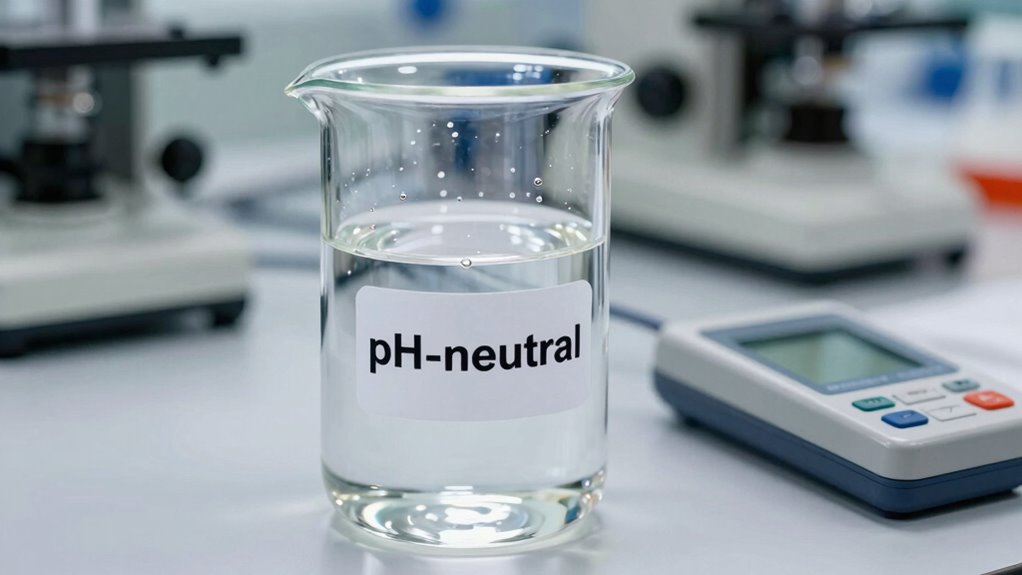
Many people assume that if a product is labeled as pH-neutral, it’s automatically safer to use. This misconception often leads consumers to believe that pH-neutral items are gentle, non-irritating, and free from harmful chemical reactions. However, this isn’t always the case. The label simply indicates that the product’s pH level is close to neutral—around 7—but it doesn’t guarantee safety or the absence of potentially reactive ingredients.
pH-neutral labels don’t guarantee safety; ingredients and reactions matter more than just pH level.
Consumer misconceptions like this can be dangerous because they overlook the complexity of chemical reactions involved. For example, a pH-neutral cleaner might contain ingredients that, in combination with other substances, produce unintended chemical reactions. These reactions could release harmful fumes, cause skin irritation, or damage surfaces. Just because a product is pH-neutral doesn’t mean it’s inert or non-reactive. Some chemicals, even at neutral pH, can be reactive under certain conditions, especially if mixed with incompatible substances. Chemical reactions can occur even with seemingly harmless products, emphasizing the importance of understanding ingredient interactions. Furthermore, certain reactive substances may pose risks despite their neutral pH, highlighting the need for careful ingredient scrutiny. It’s also crucial to understand that product safety depends on multiple factors beyond just pH, including how ingredients interact and are used.
Additionally, pH-neutral products may still contain preservatives or fragrances that can irritate sensitive skin or cause allergic reactions. You might assume that pH-neutral products are safer because they don’t have the acidity of citrus cleaners or the alkalinity of bleach. But safety isn’t solely determined by pH. The chemical composition, concentration, and how you use the product all play vital roles. For instance, a pH-neutral disinfectant might seem safe, but if it contains certain antimicrobial agents, it could trigger allergic reactions or skin sensitivities in some users. Similarly, a pH-neutral soap might be gentle on your skin but still contain preservatives or fragrances that cause irritation.
Understanding that pH-neutral doesn’t automatically equate to safety helps you make better choices. Always read labels carefully and consider the full list of ingredients. Ingredient interactions are complex and can influence how a product reacts with other substances or surfaces. If you’re concerned about chemical reactions, especially when mixing products or using them on sensitive surfaces, do some research. Remember that chemical reactions aren’t always visible, and their effects can be subtle but harmful over time. Being aware of these factors can help you avoid potential hazards and choose products that truly align with your safety needs.
As an affiliate, we earn on qualifying purchases.
Frequently Asked Questions
Can pH-Neutral Products Still Cause Skin Irritation?
Yes, pH-neutral products can still cause skin irritation, especially if you have skin sensitivity. While they are formulated to match your skin’s natural pH and are generally safer, chemical safety isn’t guaranteed for everyone. Some ingredients, even in pH-neutral products, may trigger reactions. Always patch test new products and choose those suited for sensitive skin to minimize irritation risks.
Are All pH-Neutral Cleaning Agents Environmentally Friendly?
Think of a pH-neutral cleaning agent as a balanced scale—appealing but not necessarily eco-friendly. While it’s chemically stable and less likely to cause skin irritation, it doesn’t automatically mean it’s environmentally friendly. Many pH-neutral products can still contain harmful ingredients that impact the environment. So, always check labels for eco-certifications and ingredients to truly gauge their environmental impact, rather than relying solely on pH neutrality.
How Is pH-Neutrality Measured in Household Products?
You measure pH-neutrality in household products using pH measurement techniques like pH meters or test strips. These methods analyze the acidity or alkalinity of the product, typically resulting in a pH value close to 7. In household product formulations, manufacturers adjust ingredients to reach this neutral pH, ensuring the product is neither too acidic nor too alkaline. Regular testing helps confirm the product’s pH level remains safe and effective for use.
Does pH-Neutral Always Mean Non-Toxic?
pH-neutral doesn’t always mean non-toxic because chemical stability varies, and some pH-neutral products still contain harmful ingredients. Consumers often perceive these products as safer because of their balanced pH, but that’s not always true. Always check the ingredient list rather than relying solely on pH, as many chemicals can be toxic regardless of pH level. So, stay informed and read labels carefully for true safety.
Are pH-Neutral Products Effective Against All Bacteria?
pH-neutral products aren’t effective against all bacteria because bacteria can develop resistance, especially with repeated exposure. While maintaining proper pH balance helps create conditions that inhibit some bacteria, it doesn’t guarantee complete eradication. You should use specific disinfectants proven to target a broad spectrum of bacteria. Relying solely on pH-neutral products can leave gaps, so combining them with other cleaning agents enhances overall effectiveness and reduces the risk of resistant bacteria.
Conclusion
Remember, just because something is labeled pH-neutral doesn’t guarantee safety. In fact, many pH-neutral products still contain harmful ingredients or cause skin irritation. A recent study found that over 30% of pH-neutral skincare items still triggered allergic reactions. So, don’t rely solely on the label—always check the ingredients and do your research. Safety isn’t just about pH levels; it’s about understanding what’s really inside the product.
Fall Picks
fall essentials
As an affiliate, we earn on qualifying purchases.