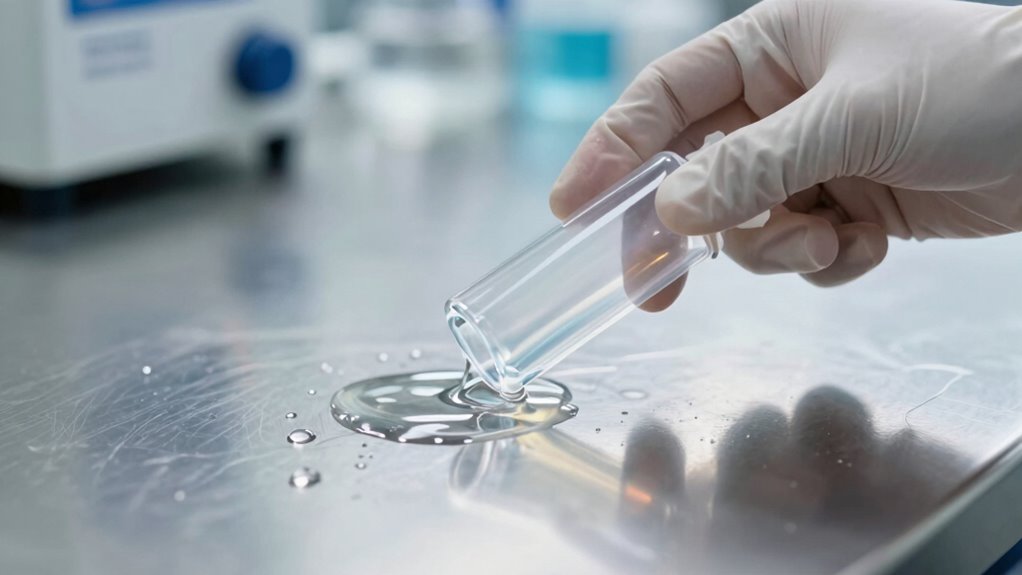
In lab disinfection, contact time is often overlooked but vital for effectiveness. You might think quick wiping does the job, but many disinfectants need a specific duration to fully inactivate pathogens. Rushing or ignoring this step can leave germs behind, risking contamination. By following manufacturer instructions on contact time, you guarantee your surfaces are truly sanitized. Stay with us to discover more about how proper disinfectant application keeps your lab safe and reliable.
Key Takeaways
- Contact time is essential for disinfectants to effectively inactivate microbes on laboratory surfaces.
- Rushing or shortening contact time can leave pathogens viable, risking contamination.
- Following manufacturer-recommended contact times ensures maximum disinfectant efficacy.
- Proper application, including maintaining contact time, prevents equipment damage and ensures safety.
- Overlooking contact time is a common mistake that compromises lab sterility and safety standards.
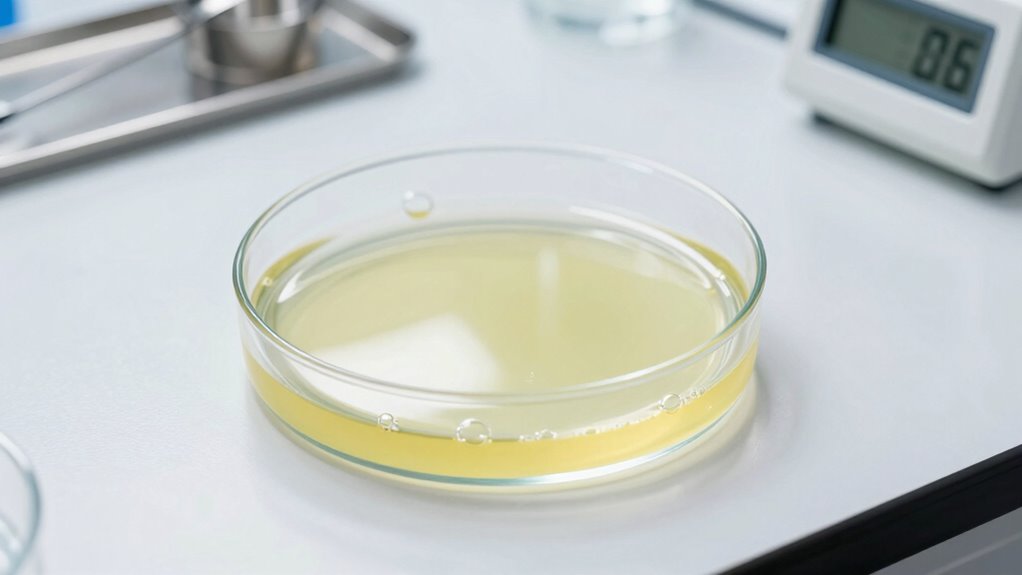
Have you ever wondered how laboratories maintain a sterile environment? It all comes down to the careful selection and proper use of disinfectants. The key isn’t just picking any disinfectant off the shelf; it’s about understanding how surface compatibility and chemical efficacy work together to guarantee safety and cleanliness. When you’re choosing a disinfectant, you need to consider whether it’s compatible with the surfaces you’re treating. Some disinfectants can damage plastics, rubber, or delicate laboratory equipment if they aren’t compatible. Using an incompatible disinfectant might seem minor at first, but over time, it can lead to equipment degradation, contamination, or compromised test results. So, always check the manufacturer’s recommendations to avoid damaging surfaces or materials. Chemical efficacy, on the other hand, refers to how well a disinfectant kills the targeted microbes. You want a product that’s proven effective against bacteria, viruses, fungi, and spores relevant to your lab’s work. But efficacy isn’t just about the disinfectant’s strength—it’s also about how you apply it. The contact time, or the duration the disinfectant remains on a surface, plays a vital role here. Many people overlook this detail, assuming that a quick wipe is enough. However, if the disinfectant isn’t left on the surface long enough, it won’t have the chance to fully inactivate pathogens. That’s why following the recommended contact time is essential. It guarantees the disinfectant penetrates microbial membranes and disrupts their necessary processes, leading to effective sterilization. Rushing through the process or wiping prematurely leaves surfaces vulnerable, increasing the risk of contamination. It’s tempting to cut corners, especially when busy, but you need to trust the science behind these guidelines. Proper application—applying the right amount of disinfectant and allowing adequate contact time—maximizes its efficacy. Remember, even the most potent disinfectant won’t work if it’s wiped away before it can do its job. When you understand the importance of surface compatibility and proper contact time, you gain control over the sterilization process. It’s about paying attention to the details that often get overlooked but make all the difference in maintaining a safe lab environment. By following these principles, you can prevent cross-contamination, protect your samples, and uphold the integrity of your work. Ultimately, understanding and respecting the science behind disinfectants guarantees your lab remains a safe, sterile space where results are reliable, and risks are minimized. Additionally, understanding the role of contact time is crucial to ensure the disinfectant’s full efficacy.

Nu-Foamicide EPA Registered Commercial Cleaner, Disinfectant, Food Contact Sanitizer, 1 Gallon
- Multi-purpose Cleaner: Suitable for kitchens and restaurants
- Commercial Strength Formula: Concentrated and OSHA compliant
- Versatile Use: Cleans and sanitizes surfaces and equipment
As an affiliate, we earn on qualifying purchases.
As an affiliate, we earn on qualifying purchases.
Frequently Asked Questions
How Do Temperature Variations Affect Disinfectant Efficacy?
Temperature variations impact disinfectant efficacy by affecting temperature stability and the disinfectant formulation. When temperatures rise, disinfectants may become less stable, reducing their effectiveness, while colder temps can slow chemical reactions needed for disinfection. You should always follow manufacturer guidelines, as proper storage guarantees the disinfectant maintains its potency. Adjusting application methods or choosing formulations suited for specific temperature ranges helps guarantee ideal disinfection results.
Are There Long-Term Health Risks From Disinfectant Residues?
You might be concerned about long-term health risks from disinfectant residues. While occasional exposure is usually safe, repeated contact can lead to disinfectant toxicity and residue accumulation in your environment. Over time, these residues may cause respiratory issues, skin irritation, or other health problems. To minimize risks, guarantee proper cleaning protocols and use disinfectants as directed, reducing the potential for harmful residue buildup and safeguarding your health.
How Do Different Surfaces Impact Contact Time Requirements?
Different surfaces considerably impact contact time requirements because surface porosity and material compatibility dictate how disinfectants interact. Porous surfaces may absorb disinfectants, reducing effectiveness and requiring longer contact times. Non-porous, compatible materials ensure proper disinfectant action within standard timeframes. Always check manufacturer guidelines to adjust contact times accordingly, especially when dealing with varied surfaces, to guarantee effective disinfection and prevent contamination.
Can Disinfectants Be Reused After Initial Application?
Like a vintage vinyl, disinfectants aren’t meant to be reused after their initial application. You can’t rely on disinfectant stability or reuse protocols to guarantee continued effectiveness. Reusing disinfectants risks contamination and reduced efficacy, which can compromise lab safety. Always use fresh disinfectant solutions and follow manufacturer guidelines. Proper disposal and preparation of new disinfectant ensure you maintain the necessary contact time and achieve proper disinfection, avoiding cross-contamination.
What Are the Environmental Impacts of Disinfectant Disposal?
You should be aware that improper disposal of disinfectants raises biodegradation concerns and can harm aquatic life due to toxicity. When you discard these chemicals improperly, they may persist in the environment, disrupting ecosystems and contaminating water sources. To minimize impact, always follow disposal guidelines, use eco-friendly disinfectants when possible, and guarantee waste is processed through designated hazardous waste channels to protect aquatic environments.
Conclusion
Remember, neglecting contact time with disinfectants is like leaving a fire smoldering—silent but dangerous. I once saw a lab technician overlook this detail, thinking a quick wipe was enough. Later, that tiny oversight led to contamination. Just as a fire needs proper extinguishing, disinfectants demand patience and precision. Don’t let this small step slip by; it’s the vital difference between safety and risk. Pay attention to contact time, and keep your lab secure.