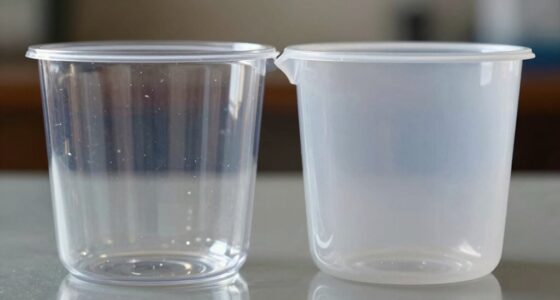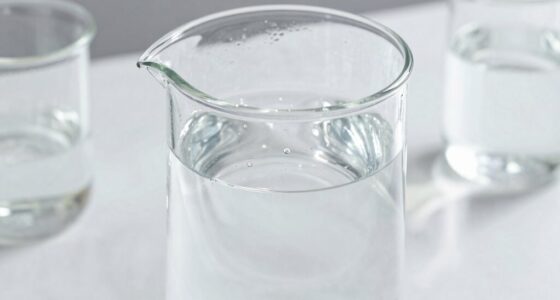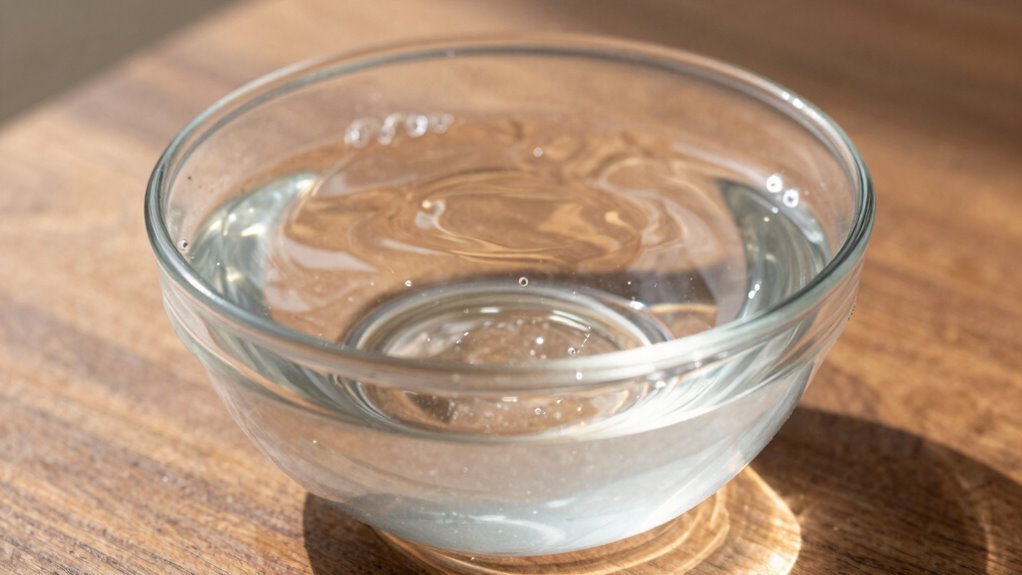

You can’t judge a liquid’s safety just by its transparency or appearance. Clear liquids can hide dangerous chemicals, bacteria, or heavy metals that aren’t visible to the eye. Relying on looks is misleading and risky, since contaminants often aren’t detectable without proper testing. Understanding the true safety of a liquid depends on its chemical composition and certified analysis. If you want to uncover what really makes liquids safe or unsafe, keep exploring these important details.

Get school and study supplies delivered free — and shop member deals
- Fast, free delivery on millions of items
- Access to Prime Big Deal Days deals on October 6–7
- Prime Video, Amazon Music and more included
Key Takeaways
- Transparency does not guarantee the absence of harmful contaminants or bacteria.
- Clear liquids can contain dangerous chemicals or pathogens invisible to the naked eye.
- Visual appearance alone is insufficient for assessing safety; chemical testing is essential.
- Some products are intentionally transparent to hide impurities or additives.
- Always verify safety through proper analysis rather than relying on clarity alone.
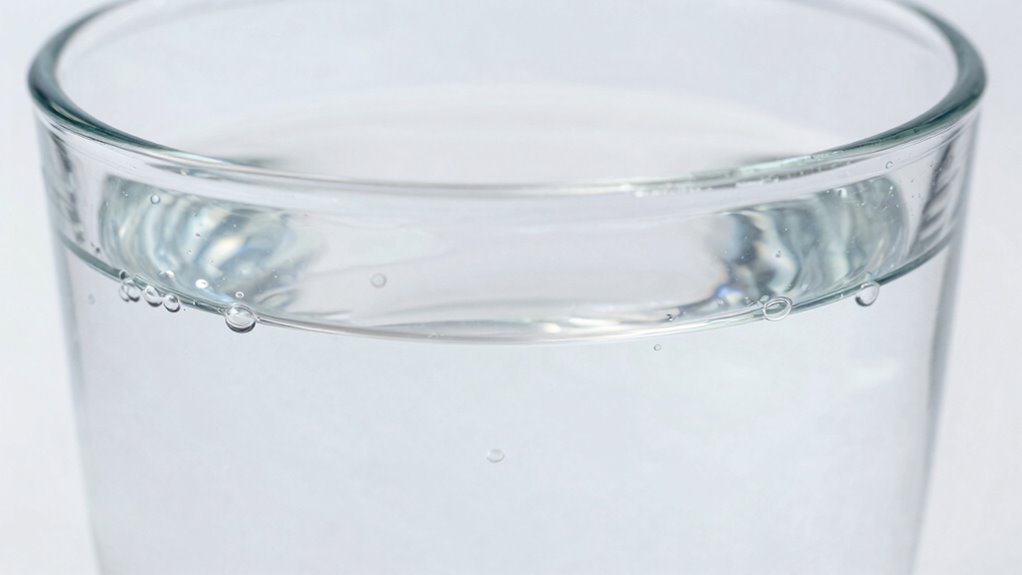
Have you ever assumed that a clear liquid is automatically clean? It’s a common misconception, and it’s easy to fall into that trap because we often associate transparency with purity. But the truth is, the appearance of a liquid — especially its color perception — doesn’t tell you anything about its safety or cleanliness. Just because something looks clear and pure doesn’t mean it’s free of contaminants or harmful substances. You need to look beyond the surface and understand the chemical composition to truly evaluate the safety of a clear liquid.
Color perception can be misleading. Many harmful chemicals and pollutants are invisible to the naked eye and don’t alter the liquid’s transparency. For instance, certain bacteria, viruses, or chemical residues can be present in water, cleaning solutions, or other clear liquids without changing their appearance. Some chemicals are colorless and odorless, making them particularly deceptive. Just because a liquid looks pristine doesn’t mean it’s free of dangerous substances. This is why relying solely on visual cues can be dangerous, especially when it comes to drinking water, cleaning products, or other fluids that come into contact with your health.
Understanding chemical composition is vital. A clear liquid’s safety depends on what’s dissolved or suspended within it, not how it looks. For example, tap water might appear perfectly clear and still carry bacteria, heavy metals, or chemical pollutants. Similarly, a transparent cleaning solution might be full of harsh chemicals that can cause harm, even if it looks innocent enough. To truly determine whether a liquid is safe, you need to analyze its chemical makeup. This might involve testing for specific contaminants or understanding the ingredients and processes involved in its production. Chemical analysis is essential for assessing safety accurately. Additionally, sampling techniques can help detect contaminants that are not easily identified through visual inspection. It’s also important to consider regulatory standards that set safety benchmarks for various liquids.
You should also be aware that some liquids are intentionally transparent to mask impurities. Manufacturers might add chemicals to alter the appearance of a product or to give the impression of purity. That’s why it’s important to read labels, check for certifications, and rely on trusted testing methods. Whether it’s drinking water, industrial fluids, or other transparent substances, don’t let the appearance deceive you. The real story lies in the chemical composition and the safety standards that have been applied.
In the end, never assume a clear liquid is safe just because it looks clean. Instead, educate yourself about the sources, composition, and testing methods relevant to the liquid in question. Only then can you make informed decisions about its safety and whether it’s truly clean. Additionally, testing methods play a crucial role in accurately determining the safety of transparent liquids.
water testing kit for contaminants
As an affiliate, we earn on qualifying purchases.
As an affiliate, we earn on qualifying purchases.
Frequently Asked Questions
Can Clear Liquids Contain Harmful Bacteria?
Yes, clear liquids can contain harmful bacteria. Bacterial contamination isn’t always visible, so a clear appearance doesn’t guarantee safety. To reduce this risk, sterile filtration is often used to remove bacteria from liquids, ensuring they’re safe to consume. You should always treat or test clear liquids, especially in medical or food settings, because bacteria can hide in seemingly clean, transparent fluids.
Are All Clear Liquids Safe to Consume?
Think of clear liquids like an open book—appearance isn’t everything. Not all clear liquids are safe because their color significance and chemical composition vary. Some might be harmless water, but others could contain harmful chemicals or bacteria. Always check labels and consult healthcare providers before consuming. Just because something looks transparent doesn’t guarantee it’s safe; understanding what’s inside is key to making safe choices.
How Do Clear Liquids Differ From Flavored or Colored Drinks?
Clear liquids differ from flavored or colored drinks mainly in taste and appearance. You might choose clear liquids for their neutrality and ease of digestion, but flavored or colored drinks can mask unpleasant tastes or improve aesthetic appeal. While clear liquids often lack added ingredients, flavored or colored beverages can contain sugars, artificial flavors, or dyes, which may influence your preference based on taste, aesthetic preferences, or dietary needs.
What Are Common Examples of Clear Liquids?
Think of clear liquids as the superheroes of hydration—simple, transparent solutions with no added color or flavor. Common examples include water, broth, and certain sports drinks. These colorless beverages are often used before medical procedures because they’re easily digestible and don’t obscure imaging results. You rely on them for hydration without any distraction, making them ideal for fasting or recovery, much like a blank canvas for your health.
Do Clear Liquids Provide Adequate Nutrition?
Clear liquids typically don’t provide adequate nutrition because their nutritional content is limited, mainly offering hydration rather than essential nutrients. Your body absorbs these liquids quickly, leading to high absorption efficiency, but they lack proteins, fats, and vitamins needed for sustained energy and health. Relying solely on clear liquids for extended periods can cause nutritional deficiencies, so it’s essential to incorporate more nutrient-dense foods when possible.
Conclusion
Remember, don’t let the illusion of clarity fool you like a mirror that reflects only surface shine. Just because a liquid is clear doesn’t mean it’s clean or safe. Think of it like an iceberg—most of its mass hides beneath the surface. Stay vigilant and don’t judge a liquid’s cleanliness by its appearance alone. Instead, look for proper testing and evidence, because what’s on the surface isn’t always what’s underneath.
Halloween Picks
halloween
As an affiliate, we earn on qualifying purchases.