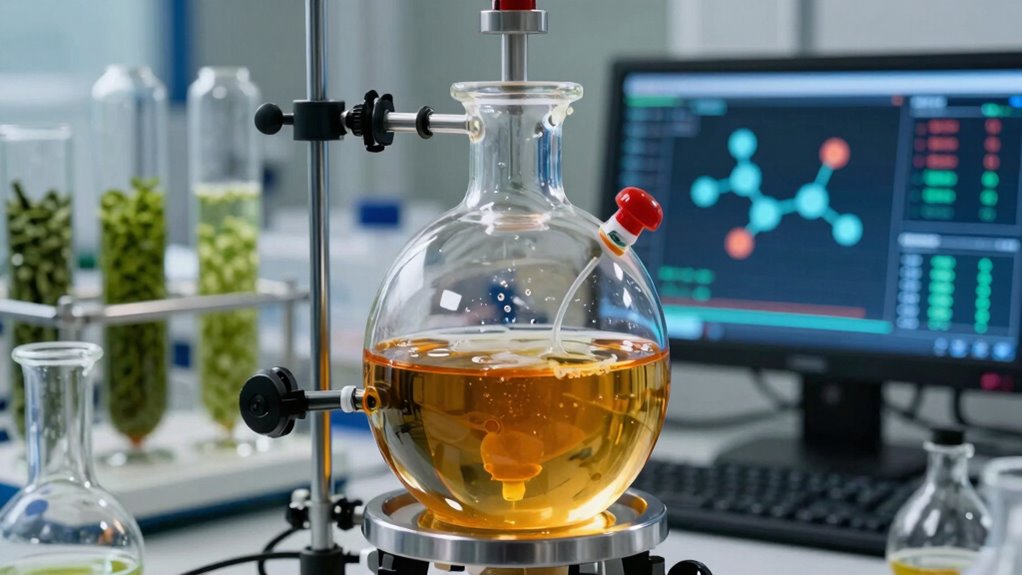
Biomass-derived aromatics present a promising opportunity for a sustainable shift away from fossil fuels, offering renewability and lower carbon footprints. However, technological barriers like feedstock variability, scalability challenges, and high costs temper expectations. While innovations aim to improve efficiency and economics, widespread adoption remains uncertain. If you want to explore whether this potential is real or just hype, you’ll find some essential insights ahead.

Get school and study supplies delivered free — and shop member deals
- Fast, free delivery on millions of items
- Access to Prime Big Deal Days deals on October 6–7
- Prime Video, Amazon Music and more included
Key Takeaways
- Biomass-derived aromatics offer a sustainable alternative to fossil fuels but face technological and scalability challenges.
- Advances in catalysis and process optimization are improving yields, yet full commercial viability remains under development.
- Sustainability assessments are essential to confirm genuine environmental benefits over petrochemical counterparts.
- Feedstock variability and logistical issues hinder consistent production and large-scale adoption.
- Ongoing research aims to overcome barriers, making biomass aromatics a promising but not yet fully realized opportunity.
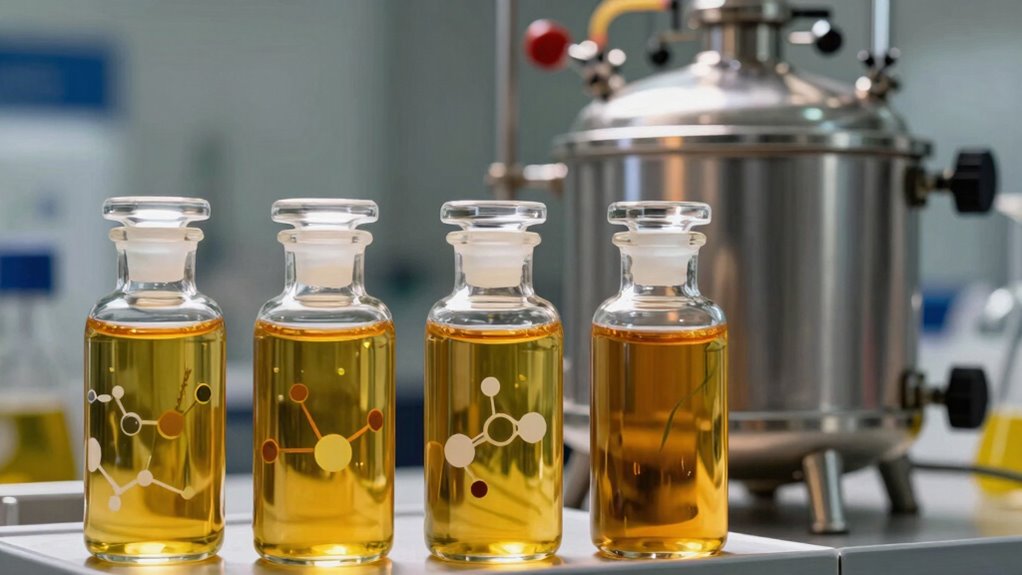
Have you ever wondered how renewable resources can replace traditional petrochemicals? Biomass-derived aromatics present a promising path toward that goal, but whether they’re a true breakthrough or just overhyped remains a subject of debate. At the heart of this technology is catalytic conversion, a process that transforms biomass into aromatic compounds such as benzene, toluene, and xylene. Unlike conventional methods relying on fossil fuels, catalytic conversion leverages catalysts to break down complex biomass molecules efficiently, making it a more sustainable option. However, the effectiveness of these processes isn’t just about the chemistry; it’s also about assessing their overall impact through a thorough sustainability assessment. This evaluation considers factors like energy input, greenhouse gas emissions, resource renewability, and economic viability, giving you a clearer picture of whether biomass aromatics can truly replace their petrochemical counterparts.
As you explore this field, you’ll find that catalytic conversion techniques are continually improving, with innovations aimed at increasing yield, reducing costs, and minimizing environmental footprint. These advancements are critical because, for biomass aromatics to be competitive, they need not only to be technically feasible but also environmentally and economically sustainable. A detailed sustainability assessment helps you understand if these processes genuinely lower carbon footprints or just shift emissions elsewhere. It involves analyzing life cycle impacts, from feedstock cultivation to product utilization, ensuring that each step aligns with sustainability goals. Moreover, ongoing research is addressing the feedstock variability challenges to enhance process consistency and reliability. Additionally, advancements in catalyst development are crucial for improving process efficiency and selectivity. Improving process scalability remains a key focus to transition these technologies from lab to commercial application. The success of these innovations depends heavily on understanding and overcoming the technological barriers that currently limit commercial deployment.
Despite the technological progress, challenges persist. Feedstock variability, scalability, and the availability of suitable catalysts can hamper widespread adoption. Plus, the economic feasibility often hinges on policy support, market demand, and infrastructure development. You should be cautious of overhyped claims suggesting that biomass-derived aromatics are ready to replace petrochemicals overnight. While promising, these technologies still face hurdles before they can deliver on their potential at a commercial scale. It’s also important to consider the sustainability assessment as a comprehensive tool to evaluate the true environmental benefits of these innovations.
As an affiliate, we earn on qualifying purchases.
Frequently Asked Questions
What Specific Biomass Sources Are Best for Aromatic Production?
You should consider lignocellulosic biomass like agricultural residues, forestry waste, and dedicated energy crops, as they offer diverse feedstock options for aromatic production. These sources provide high feedstock diversity, which boosts the chances of efficient conversion. However, focus on optimizing conversion efficiency, since some biomass types may require more processing or yield less aromatic compounds. Balancing feedstock diversity with conversion efficiency is key to successful biomass-derived aromatic production.
How Do Biomass-Derived Aromatics Compare Economically to Fossil-Based Ones?
You’ll find biomass-derived aromatics currently face economic challenges compared to fossil-based ones, mainly due to market volatility and supply chain issues. While biomass sources can be cost-competitive in the long run, unpredictable market shifts and supply chain disruptions often make fossil-based aromatics more stable and affordable today. However, growing environmental concerns could shift this balance over time, encouraging investment in sustainable biomass alternatives.
Are There Any Environmental Concerns With Biomass-Based Aromatic Production?
You should know that biomass-based aromatic production does raise environmental concerns, particularly regarding its environmental impact and sustainability challenges. While it offers a renewable alternative to fossil fuels, it can lead to land use issues, water consumption, and emissions if not managed responsibly. Ensuring sustainable practices is essential to minimize these impacts, making it imperative to carefully evaluate the overall environmental footprint before scaling up biomass-derived aromatics.
What Are the Current Technological Limitations in Biomass Aromatics Synthesis?
Imagine you’re developing a biomass aromatics process, but catalyst efficiency remains a challenge, limiting yields and selectivity. Current technological limitations include optimizing catalyst performance and integrating processes seamlessly. For instance, process integration often struggles to combine biomass pretreatment with catalytic steps efficiently. These hurdles mean scaling up remains difficult, requiring further research to improve catalyst durability and streamline workflows, ensuring commercial viability of biomass-derived aromatics.
How Scalable Is Biomass-Derived Aromatic Production Globally?
You can expect biomass-derived aromatic production to be moderately scalable globally, but it heavily depends on the supply chain and market adoption. As supply chains improve and technology advances, production becomes more feasible at larger scales. However, market acceptance remains vital; if industries embrace biomass aromatics, scaling up will accelerate. Currently, the overall potential is promising, but widespread adoption and robust supply chains are key to truly scaling globally.
Conclusion
Think of biomass-derived aromatics as a double-edged sword—promising a greener future but wielded with caution. While they hold incredible potential to revolutionize industries and reduce reliance on fossil fuels, overhyping them might lead to unmet expectations. Just like a delicate balance on a tightrope, you must weigh the benefits against the challenges. Embrace the innovation, but stay grounded in reality, ensuring this promising horizon doesn’t fade into a mirage.
Fall Picks
fall essentials
As an affiliate, we earn on qualifying purchases.