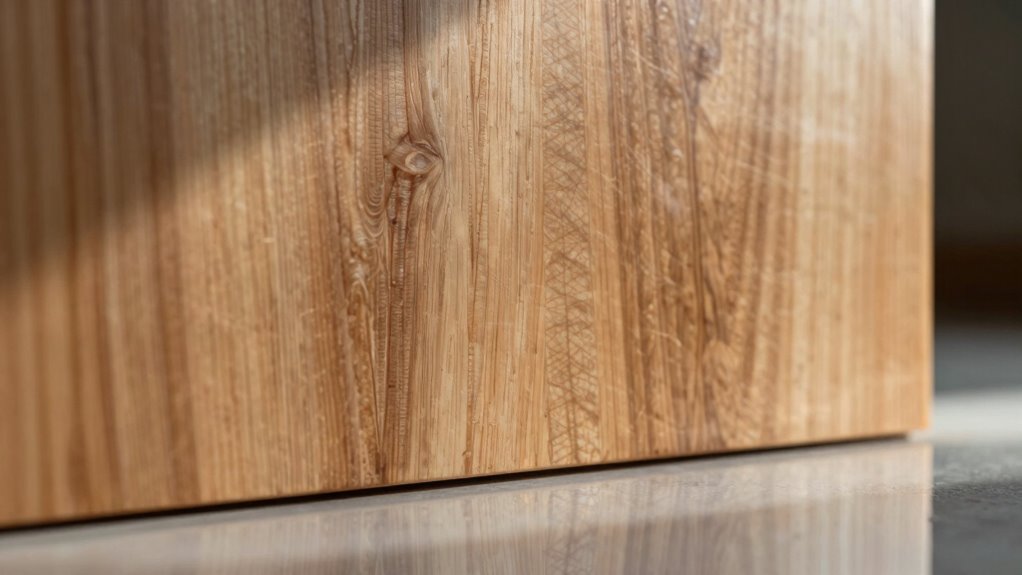

Transparent wood might sound impossible, but it’s a real breakthrough in eco-friendly materials. You treat natural wood to remove lignin, making it transparent while keeping its strength and durability. This process uses eco-friendly methods, promoting sustainability and reducing environmental impact. It’s ideal for energy-efficient windows, walls, and facades, helping cut down energy use. If you keep exploring, you’ll discover how this innovative material is transforming green building practices and shaping a more sustainable future.
Key Takeaways
- Transparent wood combines the strength of wood with glass-like clarity, a breakthrough in materials science.
- It is created by removing lignin and using eco-friendly methods, making it sustainable and biodegradable.
- The material maintains durability and natural appearance, suitable for energy-efficient windows and facades.
- Its production reduces environmental impact compared to traditional glass manufacturing.
- Transparent wood offers innovative, eco-friendly solutions for sustainable architecture and construction.
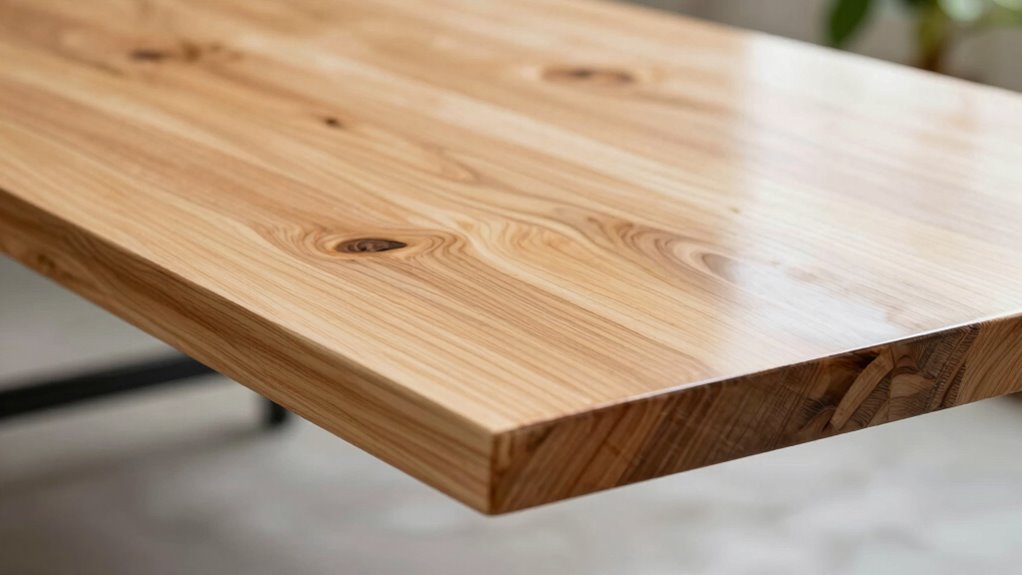
Transparent wood is an innovative material that combines the strength and sustainability of traditional wood with the clarity of glass. It’s a breakthrough in materials science that challenges what you might think is possible with natural resources. By treating wood fibers to become transparent, scientists have created a substance that offers both functional and environmental benefits. This makes transparent wood a true biodegradable innovation, aligning with the growing need for eco-friendly solutions in construction and design. Its potential to replace conventional glass in windows, facades, and interior partitions could markedly reduce the carbon footprint of buildings.
When you consider sustainable architecture, transparent wood stands out as a game-changer. Unlike glass, which is energy-intensive to produce and often non-biodegradable, this material is derived from renewable resources. You can imagine using it in eco-conscious projects where sustainability is a priority. Its biodegradability means it will naturally break down over time, reducing waste and environmental impact. This aligns with the core principles of sustainable architecture, which aim to minimize harm to the environment while maximizing efficiency. Transparent wood not only looks impressive but also supports a circular economy, where materials are reused or returned to nature without leaving lasting pollution.
The process of making wood transparent involves removing lignin, the component responsible for wood’s typical color and opacity. Instead of synthetic chemicals, some methods use environmentally friendly processes, emphasizing its biodegradable innovation status. After treatment, the wood retains its structural integrity and natural appearance but becomes translucent or transparent. This allows light to pass through while maintaining the strength of the original material. You’ll notice that this combination of transparency and durability makes it ideal for energy-efficient windows that can help regulate indoor temperatures, reducing the need for artificial heating or cooling. Additionally, advances in sustainable materials are making such innovations more accessible and widely applicable. Moreover, ongoing research into biodegradable building materials is expanding the potential applications of transparent wood in eco-friendly construction projects. Recent studies also highlight the importance of renewable resources in developing sustainable building materials, further supporting the environmentally friendly nature of this innovation. Incorporating biodegradable and renewable materials like transparent wood into construction can significantly contribute to reducing environmental impact and promoting sustainability. Enhancing the environmental benefits of construction materials is essential for creating more sustainable urban environments.
eco-friendly transparent wood windows
As an affiliate, we earn on qualifying purchases.
As an affiliate, we earn on qualifying purchases.
Frequently Asked Questions
How Durable Is Transparent Wood Compared to Glass?
Transparent wood is generally more durable than glass because it’s less prone to shattering and can flex without breaking. Its environmental impact is lower, as it’s made from renewable materials, and it requires less energy during manufacturing, despite some manufacturing challenges. You’ll find it easier to work with and more resilient in various conditions, making it a promising alternative to traditional glass for many applications.
Can Transparent Wood Be Recycled Easily?
You can recycle transparent wood, but the process isn’t as straightforward as with glass. The recycling process involves breaking down the material and reprocessing it, which can be complex due to its composite nature. While recycling reduces environmental impact, it’s essential to develop efficient methods to make it more sustainable. Overall, transparent wood offers potential for eco-friendly applications, but improving its recyclability will enhance its environmental benefits.
What Are the Cost Differences Between Transparent Wood and Traditional Materials?
The cost comparison shows that transparent wood is currently more expensive than traditional materials due to its complex manufacturing process. However, as market adoption increases and production scales up, costs are expected to decrease. You might notice higher initial prices now, but in the long run, transparent wood could become more affordable. The trend suggests that with growing demand, the gap between transparent wood and traditional materials will narrow.
How Does Transparent Wood Perform in Extreme Weather Conditions?
Think of transparent wood as a resilient shield in extreme weather. It offers impressive climate adaptability, handling temperature swings and moisture better than traditional materials. Its UV resistance protects it from sun damage, ensuring longevity even in harsh sunlight. This material’s strength and flexibility make it suitable for outdoor use in diverse climates, giving you peace of mind that your structures remain durable and beautiful, no matter the weather’s mood swings.
Is Transparent Wood Suitable for Load-Bearing Structural Applications?
Transparent wood isn’t ideal for load-bearing structural applications yet. Its manufacturing challenges, like ensuring consistent transparency and strength, limit its current use in heavy-duty structures. While it offers environmental benefits, such as being more sustainable than traditional materials, you should consider its mechanical limitations before relying on it for support. Ongoing research aims to improve its strength, but for now, it’s better suited for decorative or light structural purposes.
Conclusion
Imagine a future where your windows are not only clear but also sustainable and strong. Transparent wood could transform architecture, packaging, and even electronics, blending nature with innovation. Don’t you wonder how many other materials we’ve overlooked that could revolutionize our world? With such exciting possibilities, it’s clear that what once sounded impossible is now within our reach. So, are you ready to embrace the surprising potential of this remarkable material?