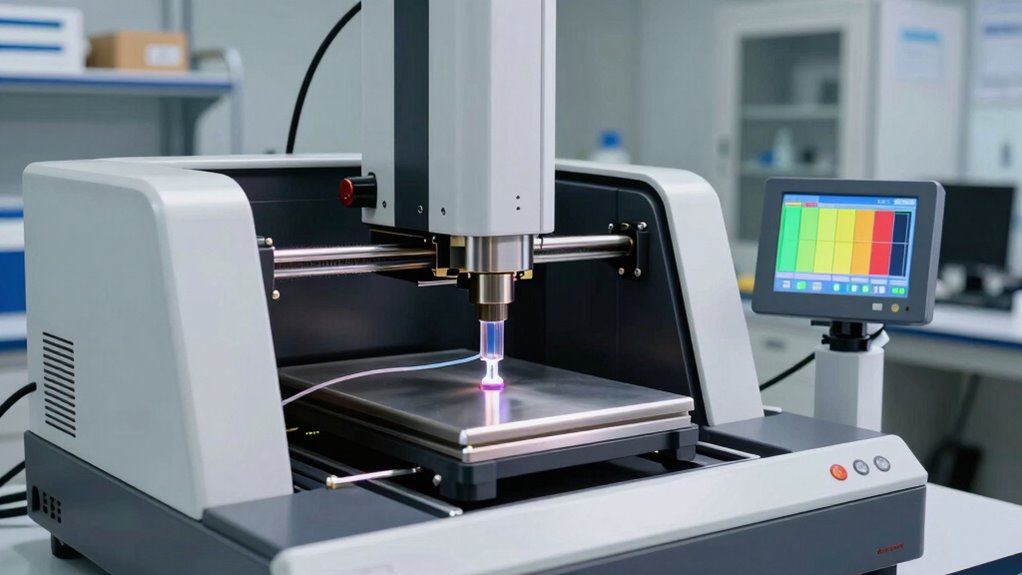

Choosing the right load cell for your tensile testing machine is essential for accurate results. You need a load cell that matches your material’s expected load range and deformation characteristics. For brittle materials, opt for high-force, minimal deformation models. Ductile metals require sensitive load cells measuring lower forces. Ensuring proper calibration and matching the load cell capacity to your test parameters keeps measurements reliable. Keep exploring to discover how to optimize your tensile testing setup even further.
Play games included with Prime
Start a Prime free trial and play with Amazon Luna on your devices.
As an affiliate, we earn on qualifying purchases.
Key Takeaways
- Match load cell capacity to the expected load range of the material being tested.
- Consider material deformation characteristics to select between high-force or high-sensitivity load cells.
- Ensure load cell shape and size facilitate accurate force transmission and measurement.
- Regularly calibrate the load cell to maintain measurement accuracy over time.
- Avoid overloading the load cell to prevent damage and ensure reliable test results.
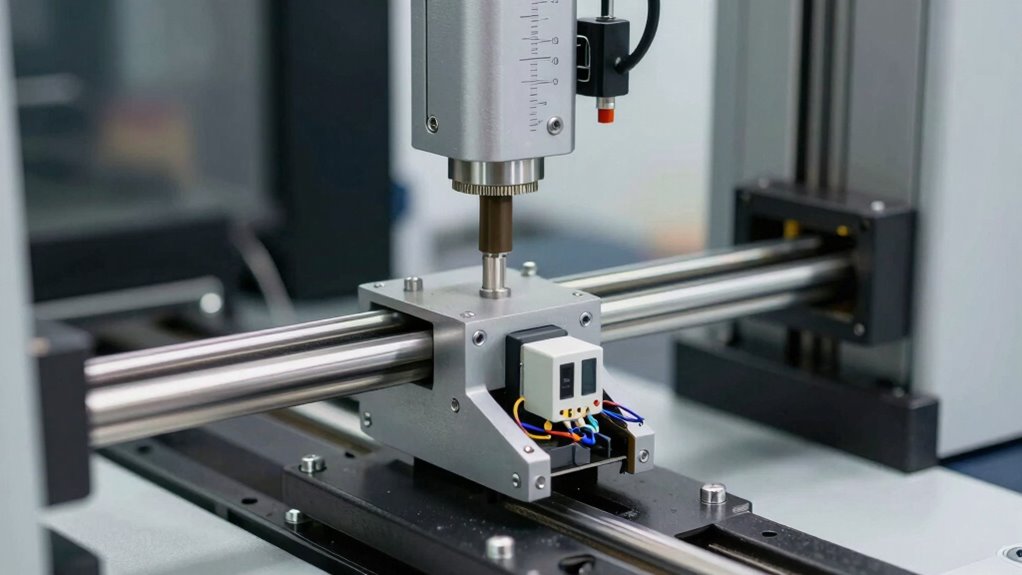
Have you ever wondered how engineers determine the strength and ductility of materials? It all comes down to tensile testing machines, which measure how materials respond under stress. When you perform a tensile test, you’re essentially observing material deformation — how a material stretches, yields, and ultimately breaks. Choosing the right load cell is essential because it directly influences the accuracy of your measurements. The load cell acts as the sensor that converts the physical force into an electrical signal, so selecting the appropriate one depends on understanding your material’s expected load range and deformation characteristics.
As you prepare to run tests, calibration procedures become your best friends. Proper calibration ensures your load cell provides precise readings, avoiding errors that could lead to flawed conclusions about a material’s properties. Calibration involves applying known forces to the load cell and adjusting the system until the readings match those forces. This step is fundamental because even small inaccuracies can profoundly affect the interpretation of material deformation and, consequently, the strength and ductility data you gather. Regular calibration checks should be part of your testing routine, especially when changing load cells or after long periods of use. Additionally, understanding the importance of calibration helps maintain measurement integrity over time.
When selecting a load cell, consider the material you’re testing. For brittle materials like ceramics, you’ll need a load cell capable of handling high forces with minimal deformation. For ductile metals, which can undergo significant elongation, a load cell that accurately measures lower forces with high sensitivity might be necessary. The shape and size of the load cell also matter, as they influence how forces are transmitted and measured. Additionally, your testing machine’s capacity must match the load cell’s range; overloading a load cell can damage it and skew your results. Understanding load capacity helps ensure the longevity and accuracy of your testing equipment. Moreover, considering the material deformation characteristics can guide you toward selecting the most suitable load cell for precise measurements.
Understanding material deformation helps you interpret your test results more effectively. When a material stretches during a tensile test, the load cell captures the force required at each stage of elongation. This data allows you to plot stress-strain curves, revealing the material’s elastic limit, yield point, and fracture point. Accurate load cell readings, maintained through proper calibration procedures, enable you to trust these curves and derive meaningful insights about the material’s strength, ductility, and overall behavior. Proper understanding of load cell selection can greatly enhance the reliability of your testing outcomes. Additionally, knowledge of the testing standards ensures your procedures meet industry requirements for consistency and accuracy.
tensile testing machine load cell
As an affiliate, we earn on qualifying purchases.
As an affiliate, we earn on qualifying purchases.
Frequently Asked Questions
How Do Load Cells Impact Test Accuracy?
Load cells directly impact test accuracy because their calibration guarantees precise measurements, and proper load cell selection matches the test’s specific needs. If you choose the right load cell and keep it well-calibrated, you’ll get reliable, consistent data. Poor calibration or incorrect selection can lead to errors, affecting your results’ validity. So, prioritize proper load cell calibration and selection to maintain high test accuracy.
What Maintenance Is Required for Load Cells?
To maintain load cell longevity and guarantee accurate readings, you should regularly inspect and clean your load cells, avoiding harsh chemicals that might harm material compatibility. Calibrate them periodically to detect any drift, and store them in proper conditions to prevent damage. Protect against overloads and mechanical shocks, and follow manufacturer guidelines to extend their lifespan, ensuring consistent performance during your tensile tests.
Can Load Cells Be Calibrated Remotely?
Imagine your load cell whispering data through silent channels—that’s what remote calibration offers. Yes, you can calibrate load cells remotely, thanks to advanced load cell communication systems. This process connects your device to calibration experts via the internet, allowing adjustments without physical access. Remote calibration makes sure your load cell stays accurate, even from afar, providing reliable measurements and saving you time and effort in maintaining precision.
What Are the Signs of Load Cell Failure?
You’ll notice load cell failure through signs like inconsistent or drifting readings, which indicate poor load cell durability. Sudden or gradual signal loss, unexpected zero readings, or erratic responses also signal failure. Regular failure detection checks are essential to maintain accuracy and safety. If these signs appear, you should inspect, recalibrate, or replace the load cell promptly to avoid compromising testing results or equipment integrity.
How Do Environmental Factors Affect Load Cell Performance?
Environmental effects, like humidity, dust, and vibrations, can negatively impact your load cell’s performance. Temperature influence is especially critical, as extreme heat or cold can cause drift, reduce accuracy, or damage internal components. You should protect your load cell from harsh conditions by installing it in controlled environments or using protective enclosures. Regular calibration also helps mitigate environmental effects, ensuring consistent, reliable measurements despite changing environmental factors.
Conclusion
Choosing the right load cell for your tensile testing machine might seem intimidating, but with careful consideration, you’ll find the perfect match. Remember, the key lies in understanding your needs and trusting your judgment. Sometimes, the smallest adjustments can lead to the most significant improvements. Stay attentive to detail, and you’ll navigate this decision smoothly. Ultimately, it’s about finding harmony in your setup—where precision and reliability quietly work together beneath the surface.
Fall yard work Picks
leaf blowers
As an affiliate, we earn on qualifying purchases.