
Using hydrogen generators for GC offers great convenience by providing a reliable, on-demand source of high-purity hydrogen without the risks of storing compressed cylinders. They simplify operations and reduce costs, but safety measures like leak detection, proper ventilation, and training are essential to prevent hazards. Balancing these benefits and risks depends on your system setup and safety protocols. Keep exploring to discover how to optimize safety while maximizing the convenience of hydrogen generators.

Get school and study supplies delivered free — and shop member deals
- Fast, free delivery on millions of items
- Access to Prime Big Deal Days deals on October 6–7
- Prime Video, Amazon Music and more included
Key Takeaways
- Hydrogen generators offer on-demand, safe hydrogen supply, reducing storage and transportation risks associated with cylinders.
- Proper safety protocols, maintenance, and training are essential to mitigate hazards despite system safety features.
- Long-term cost savings from generators can outweigh higher initial investments, balancing convenience with safety considerations.
- System design and integrated safety features help prevent leaks and system failures, minimizing risk exposure.
- Regular inspections and adherence to safety standards are crucial to maximize benefits and reduce potential hazards.

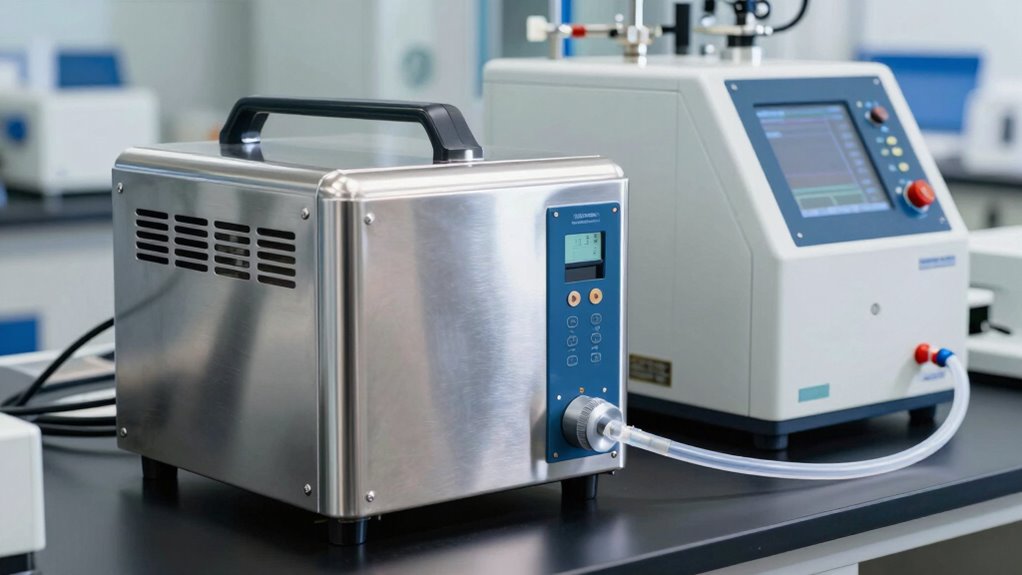
Hydrogen generators for gas chromatography (GC) have become indispensable tools for laboratories seeking a safe, reliable, and cost-effective way to produce high-purity hydrogen on demand. They eliminate the need for storing compressed hydrogen cylinders, reducing risks associated with leaks and accidental explosions. However, while these generators offer convenience, you must also consider the safety protocols necessary to operate them properly. Proper ventilation, regular maintenance, and adherence to manufacturer guidelines are essential to prevent any hazards. For instance, ensuring that the hydrogen supply lines are secure and that the system has appropriate leak detection can considerably mitigate safety concerns. When you’re evaluating these systems, safety protocols should be a top priority, as improper use or neglect can lead to dangerous situations, even with the best equipment. Additionally, understanding the technology behind hydrogen production can help users better appreciate the safety and operational aspects of these generators. This knowledge underscores the importance of system design in minimizing potential risks. The technology involved also encompasses integrated safety features that are designed to detect leaks early and shut down the system if necessary. Cost considerations also play a critical role when deciding whether to invest in a hydrogen generator. Although the initial purchase price might be higher than maintaining cylinders, you save money over time by avoiding recurring costs related to cylinder rentals, refills, and transportation. A hydrogen generator provides a steady supply of high-purity hydrogen, which can reduce operational expenses and improve workflow efficiency. Still, it’s important to analyze the total cost of ownership, including maintenance, replacement parts, and energy consumption, to confirm it aligns with your laboratory’s budget. In some cases, the upfront investment might seem substantial, but the long-term savings and convenience often outweigh this initial expense. You should also weigh the trade-offs between convenience and risk. Hydrogen generators offer on-demand production, which means you no longer need to coordinate deliveries or store large quantities of compressed gas. This simplifies inventory management and minimizes storage space. On the flip side, if safety protocols aren’t strictly followed, the risk of accidental leaks or system failure could pose serious safety issues. Consequently, setting up proper safety measures—like proper training, regular inspections, and emergency procedures—is essential to capitalize on the convenience these systems provide. Proper safety protocols and ongoing training are crucial to ensure safe operation and prevent accidents. Ultimately, choosing a hydrogen generator for GC involves balancing safety protocols, cost considerations, and operational needs. If you prioritize safety and regular maintenance, these systems can streamline your laboratory’s workflow while reducing operational costs in the long run. But neglecting safety or underestimating expenses could turn the convenience into a risk. With careful planning and adherence to safety standards, hydrogen generators can be a valuable asset, offering both efficiency and peace of mind in your analytical work.
hydrogen generator for gas chromatography
As an affiliate, we earn on qualifying purchases.
As an affiliate, we earn on qualifying purchases.
Frequently Asked Questions
What Are the Typical Maintenance Requirements for Hydrogen Generators?
You should regularly check and maintain your hydrogen generator to make sure safe and efficient operation. This involves calibrating the system to maintain purity and performance, inspecting and replacing filters, and verifying the power supply remains stable. Keep an eye on system alerts and perform routine cleaning. Proper maintenance minimizes risks, keeps your generator running smoothly, and extends its lifespan, so you can rely on consistent hydrogen supply for your GC analyses.
How Long Do Hydrogen Generators Usually Last Before Replacement?
Ever wondered how long your hydrogen generator will serve you? Typically, a generator’s lifespan ranges from 3 to 5 years, depending on usage and maintenance. Does that mean you’ll need to plan for replacement every few years? Yes, regular replacement frequency is essential for consistent performance. You should monitor its condition closely, as factors like wear and corrosion can shorten its effective life, ensuring you stay prepared for timely upgrades.
Are There Specific Safety Protocols for Handling Hydrogen Generators?
Yes, there are specific safety protocols you should follow when handling hydrogen generators. You need safety training to understand proper procedures and risk mitigation techniques. Always guarantee proper ventilation, avoid open flames, and regularly inspect equipment for leaks or damage. Use appropriate protective gear, and follow manufacturer guidelines closely. These protocols help minimize risks associated with hydrogen, keeping you safe during operation and maintenance.
Can Hydrogen Generators Be Used With All Types of Gas Chromatography Systems?
Did you know that about 85% of modern gas chromatography systems are compatible with hydrogen generators? You can’t use hydrogen generators with all GC systems, as system compatibility varies. When considering alternative fuel sources, verify your GC system is designed for hydrogen use. Always check manufacturer specifications to avoid damaging equipment or compromising safety, and consult technical support if needed to confirm compatibility before integrating a hydrogen generator into your setup.
What Is the Cost Difference Between On-Demand and Stored Hydrogen Sources?
On-demand hydrogen generators typically cost less upfront compared to stored hydrogen sources, but ongoing expenses for maintenance and operation can add up. Stored hydrogen sources often have higher initial costs due to storage safety measures and equipment. When doing a cost comparison, consider safety risks and storage requirements. On-demand systems reduce storage safety concerns and may be more economical long-term, but initial investments can vary based on system size and safety features.
Conclusion
While hydrogen generators for GC offer unmatched convenience, they also bring potential risks that can’t be ignored. You gain ease and portability, but must stay vigilant against leaks and safety hazards. It’s a trade-off between simplicity and safety—one that demands careful consideration. Ultimately, the choice hinges on your priorities: is the convenience worth the vigilance? Balancing these factors guarantees you harness the benefits without compromising safety.
Halloween Picks
halloween
As an affiliate, we earn on qualifying purchases.