
When using moisture meters, you’ll find that a “wet” or high moisture value isn’t an exact indicator of problem severity. Different materials interpret moisture levels uniquely, and environmental factors can influence results. Pin-type and pinless meters measure moisture differently, making context essential for accurate assessment. Don’t rely on a single number; understanding these differences and how they interact helps you diagnose correctly. Keep exploring to discover how interpreting these measurements more effectively can improve your evaluations.
Key Takeaways
- Moisture levels vary by material and environment, so a single “wet” reading doesn’t universally indicate a problem.
- Different moisture meters (pin-type vs. pinless) measure moisture differently, affecting what constitutes “wet.”
- Acceptable moisture ranges depend on material type and usage, making “wet” relative rather than absolute.
- Surface conditions and density influence moisture readings, so context is essential for accurate interpretation.
- Combining moisture readings with other diagnostics provides a comprehensive understanding of moisture-related issues.
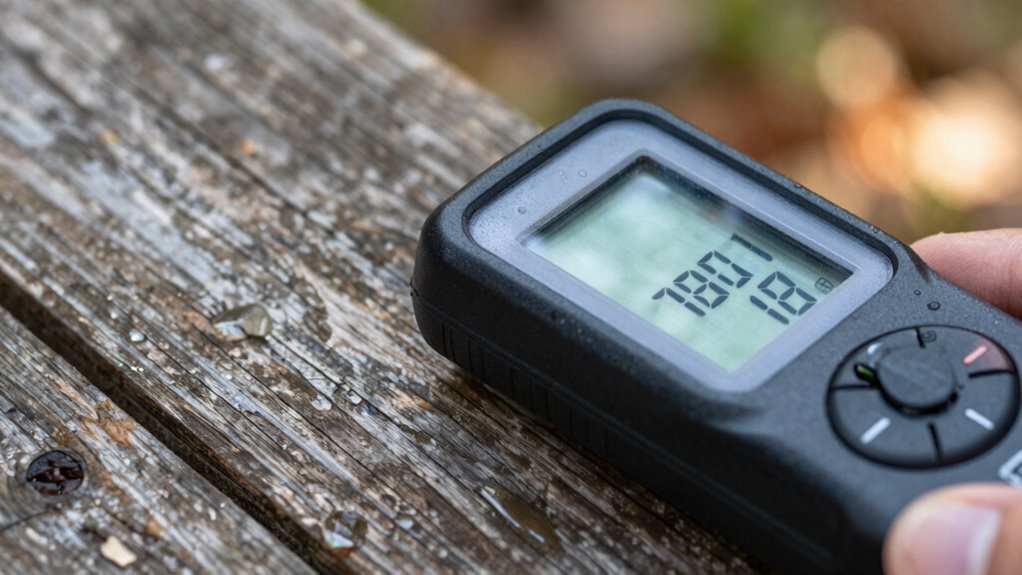
Moisture meters play a key role in diagnostics by providing quick, accurate measurements of moisture levels in various materials. When you’re evaluating the health of a building, the integrity of a piece of wood, or the condition of a wall, understanding moisture measurement is essential. These devices offer real-time data that help you determine whether materials are within safe moisture ranges or if they pose risks like mold growth, rot, or structural damage. Unlike traditional visual inspections, moisture meters give you concrete numbers, making your diagnostic techniques more precise and reliable.
One of the main reasons moisture meters are so valuable is their ability to deliver immediate results. You don’t have to wait for lab tests or perform lengthy analyses. Instead, you get instant feedback, which streamlines decision-making and allows you to act quickly. This speed is especially important in situations where moisture problems can escalate rapidly, such as in water intrusion incidents or during the early stages of building deterioration. With these tools, you can identify trouble spots early, saving time and money while preventing more extensive damage.
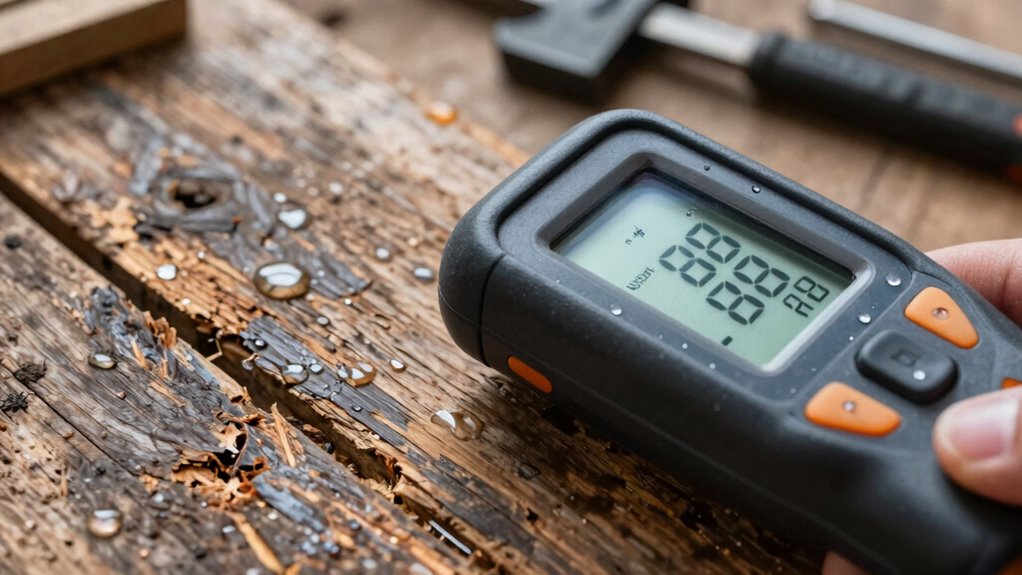
However, it’s essential to recognize that moisture isn’t a single, straightforward number. When you measure moisture, especially with different types of moisture meters, you’ll find that a specific reading can mean different things depending on the material and context. For example, a reading that’s acceptable in one type of wood might be problematic in another. This variability highlights the importance of understanding the underlying principles behind your diagnostic techniques. Pin-type moisture meters, for instance, measure the electrical resistance or capacitance within the material, which can vary widely depending on the moisture content and material composition. On the other hand, pinless meters use electromagnetic sensors to scan surfaces without damaging them, but their readings can be influenced by surface conditions or material density.
Because moisture levels can fluctuate with environmental conditions, it’s essential to interpret readings carefully. A “wet” reading isn’t just a single threshold—it’s a complex signal that requires context. You need to consider the material type, environmental factors, and the purpose of your inspection. Relying solely on one number can lead to misdiagnosis, so combining moisture measurement with other diagnostic techniques ensures more accurate assessments. This holistic approach helps you distinguish between temporary surface moisture and deeper, more problematic issues. Additionally, understanding the different moisture measurement principles can help you select the right tool and interpret results more effectively. Recognizing how environmental factors influence readings is equally crucial for accurate diagnosis. Being aware of how material properties affect measurements can further refine your diagnostic accuracy.

General Tools MMD4E Moisture Meter for Wood, Walls & Water Leak Detection
- Humidity Sensor: Detects moisture levels for mold prevention
- Water Leak Detection: Identifies moisture in wood and drywall
- Moisture Reader: Large backlit LCD with easy readings
As an affiliate, we earn on qualifying purchases.
As an affiliate, we earn on qualifying purchases.
Frequently Asked Questions
How Do Moisture Meters Differ Across Various Industries?
You’ll find moisture meters differ across industries based on calibration protocols and instrument durability. In construction, they’re rugged and calibrated for building materials, while in food processing, precision calibration guarantees safety. Agricultural meters focus on durability to withstand outdoor conditions. Your choice depends on industry-specific needs, where calibration protocols assure accuracy, and instrument durability ensures longevity in demanding environments. This way, you get reliable moisture readings tailored to your industry’s requirements.
Can Moisture Levels Indicate Specific Types of Damage or Decay?
You can detect damage like wood rot or mold growth through moisture levels. High readings often hint at hidden issues, creating a sense of unease as you realize unseen decay might be lurking. Moisture meters help you pinpoint these problems early, revealing the silent threat beneath surfaces. By monitoring specific moisture thresholds, you catch decay signs before they escalate, safeguarding your property from progressive damage and costly repairs.
What Maintenance Is Required for Moisture Meters to Ensure Accuracy?
To keep your moisture meter accurate, you need to perform regular calibration procedures, ensuring it provides reliable readings over time. Additionally, prioritize battery maintenance by replacing or recharging batteries as needed, since low power can affect accuracy. Store the device in a dry, cool place, and check for any signs of wear or damage. Consistent calibration and proper battery care will help your moisture meter deliver precise results.
Are There Environmental Conditions That Affect Moisture Meter Readings?
Did you know humidity interference can skew moisture meter readings by up to 15%? Environmental conditions like high humidity and temperature influence measurements considerably. Humidity interference causes moisture levels to appear higher than they truly are, while temperature influence can alter sensor accuracy. To guarantee precise results, you should calibrate your device regularly, keep it in stable conditions, and be aware of environmental impacts during testing.
How Should Readings Be Interpreted for Different Materials?
You should interpret moisture meter readings by considering the specific material you’re testing, as each requires material-specific calibration for accurate results. Always use contextual interpretation, factoring in the material’s typical moisture range and environmental conditions. This approach helps you distinguish between readings that indicate normal moisture levels and those signaling potential issues, ensuring you make informed decisions based on the unique properties and context of each material.
Conclusion
Remember, moisture meters aren’t a one-size-fits-all tool—each situation calls for understanding the nuances behind the numbers. Don’t just rely on a single reading; dig deeper to see what it truly reveals about moisture levels. When you get to the heart of the matter, you’ll avoid surprises and make smarter decisions. After all, knowledge is power, and in this case, it’s the key to keeping things dry and healthy in the long run.