
TL;DR
A geomagnetic storm caused by a recent solar eruption has led to intense polarlicht displays across northern Europe. Authorities confirm the activity, but the storm’s duration and full impact are still being assessed.
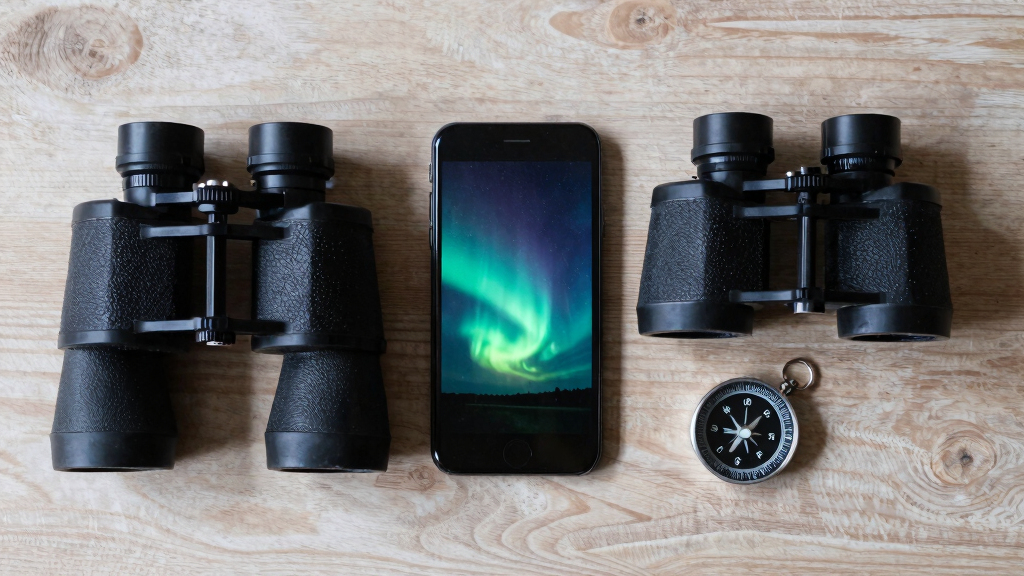
Widespread polarlicht displays have been observed across northern Europe today, triggered by a recent solar eruption that caused a geomagnetic storm. Space weather agencies confirm that the storm is currently active, with the potential for continued visibility in the coming hours. This development is significant for both scientific observation and public interest, as it marks a strong geomagnetic event linked to solar activity.

Prime made for students and young adults
- Fast, free delivery for dorm and study essentials
- Prime Video and Amazon Music included
- Member-only deals
The geomagnetic storm was initiated by a solar eruption, specifically a coronal mass ejection (CME), which reached Earth earlier today. According to the European Space Agency (ESA) and the National Oceanic and Atmospheric Administration (NOAA), the storm has resulted in vivid polarlicht displays across parts of Norway, Sweden, Finland, and northern parts of the UK and Ireland. The storm’s intensity is classified as moderate to strong on the geomagnetic storm scale, with auroras visible at lower latitudes than usual.
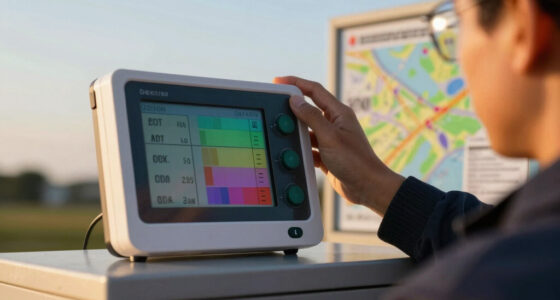
Authorities and scientists are monitoring the storm’s progression, as it could impact satellite operations, radio communications, and power grids. The storm’s duration, however, remains uncertain, with initial forecasts suggesting it could last several hours or longer, depending on solar wind conditions.
Impacts of the Geomagnetic Storm on Technology and Observation
This event underscores the importance of space weather monitoring, as geomagnetic storms can disrupt satellite communications, navigation systems, and power infrastructure. For the public and tourists, the polarlicht displays provide a rare visual spectacle, drawing many to observe the northern lights. The storm also offers valuable data for scientists studying solar activity and Earth’s magnetic field interactions, which can improve forecasting models for future space weather events.
Popular right now

Samsung 65-Inch M70H Series 4K Mini LED Smart TV (2026)

Samsung 48-Inch S90F OLED 4K Smart TV (2025)

Shark Pet Cordless Stick Vacuum, Up to 40-Minute Runtime, Lightweight, IX141
As an affiliate, we earn on qualifying purchases.
Recent Solar Activity and Historical Polarlicht Events
The current geomagnetic storm follows a series of solar eruptions observed over the past week, with the latest CME detected by solar observatories such as SOHO and STEREO. Historically, similar solar events have caused notable polarlicht displays, including the intense storm of March 1989 that caused a blackout in Quebec. Recent space weather forecasts had predicted increased auroral activity, but the current storm exceeds initial expectations in brightness and scope.
“The geomagnetic storm we are experiencing is a direct result of the recent solar eruption, and it’s currently producing some of the most vivid auroras we’ve seen in recent years.”
— Dr. Lisa Madsen, ESA Space Weather Expert
Uncertainty About Storm Duration and Future Impacts
While the initial activity has been confirmed, the exact duration of the geomagnetic storm remains unclear. Scientists are still assessing how long the auroras will remain visible and whether there will be further disruptions to satellite and power systems. The full impact on technological infrastructure is also still being evaluated, with no significant outages reported yet.
Monitoring and Forecasting of Continued Space Weather Activity
Scientists will continue to monitor solar wind conditions and geomagnetic indices to predict the storm’s evolution. Authorities advise the public to stay informed about potential disruptions, especially those relying on satellite-based services. Future updates are expected as more data becomes available, and space weather agencies will issue alerts if the storm intensifies or persists.
Key Questions
What causes a geomagnetic storm that leads to polarlicht displays?
A geomagnetic storm is caused by a solar eruption, such as a coronal mass ejection, which sends charged particles toward Earth. When these particles interact with Earth’s magnetic field, they produce auroras.
Why are polarlicht displays visible at lower latitudes now?
The current storm is stronger than average, allowing auroras to be seen farther south than usual, reaching parts of northern Europe and the UK.
Will the storm cause any technological disruptions?
Currently, no major disruptions have been reported, but scientists are monitoring for potential impacts on satellites, communications, and power grids.
How long will the auroras last?
The duration of the auroras is uncertain; they could last several hours or longer, depending on solar wind conditions and the storm’s evolution.
Source: google-trends