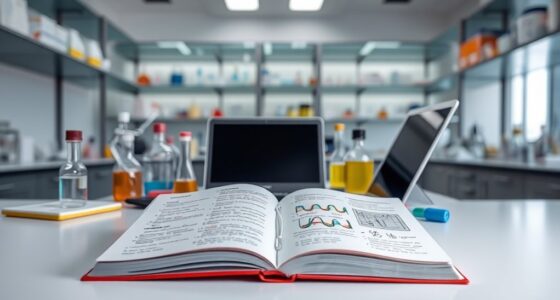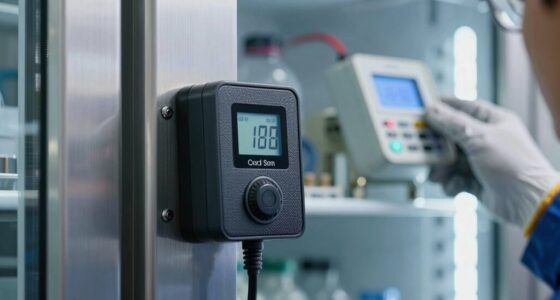
To avoid audit issues, keep detailed records of all calibration and maintenance activities, including dates, procedures, and results. Use standardized templates or digital systems for consistency and easy access. Regularly review your logs to catch gaps or recurring problems. Organize your documents so auditors can quickly find what they need. Proper documentation proves compliance and equipment reliability—continue exploring to discover more essential steps for audit success.

Prime made for students and young adults
- Fast, free delivery for dorm and study essentials
- Prime Video and Amazon Music included
- Member-only deals
Key Takeaways
- Maintain comprehensive calibration records with dates, procedures, and results to verify equipment accuracy during audits.
- Keep detailed maintenance logs of inspections, repairs, and troubleshooting to demonstrate proactive management.
- Use standardized templates or digital tools for consistent and organized documentation of all activities.
- Regularly review records to identify gaps, ensure schedules are followed, and support compliance.
- Store records in an accessible, secure system for quick retrieval and to demonstrate regulatory adherence.
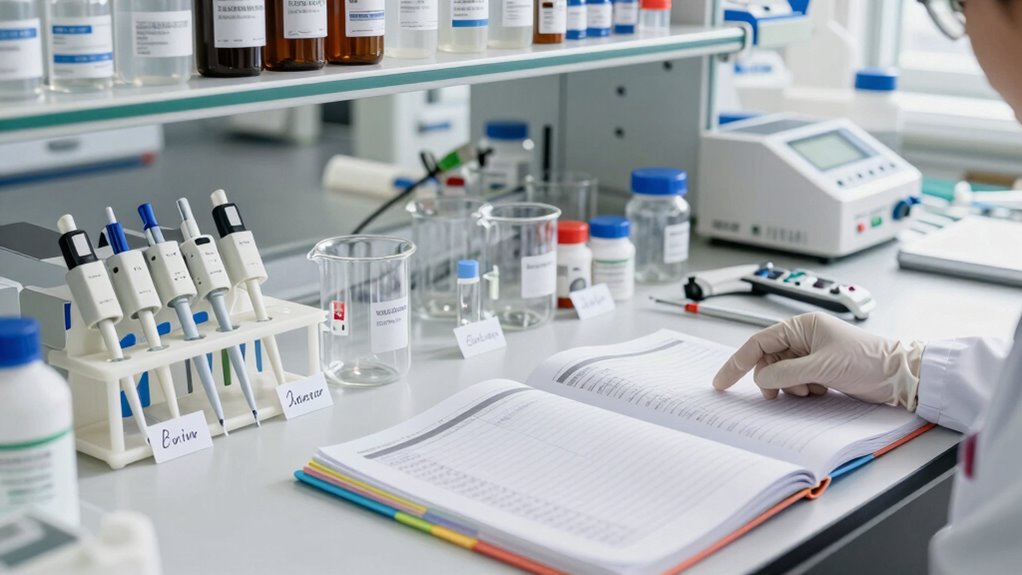
Ensuring proper documentation of lab equipment is fundamental for maintaining safety, accuracy, and compliance in your laboratory. When you keep detailed records, you create a clear trail that demonstrates your lab’s adherence to regulatory standards and internal protocols. A key aspect of this documentation involves tracking equipment calibration and maintaining thorough maintenance records. Regular calibration ensures your instruments provide precise and reliable results, which is essential for research validity and quality control. By documenting calibration dates, procedures, and results, you show auditors that your equipment is consistently functioning within specified parameters. Without these records, it becomes difficult to prove that your lab maintains the necessary accuracy, which could lead to compliance issues or failed inspections. Consistent recordkeeping supports your lab’s ability to quickly respond to audit inquiries and uphold high standards of operational excellence.
Similarly, keeping detailed maintenance records is just as important. Maintenance logs should include scheduled inspections, repairs, replacements, and any troubleshooting steps taken. These records help you monitor the condition of your equipment over time, identify recurring issues, and plan preventive maintenance to avoid costly breakdowns. When auditors review your lab, having accessible, organized maintenance records demonstrates your proactive approach to equipment management and safety. It also shows that you’re diligent about minimizing risks associated with malfunctioning or outdated equipment.
To guarantee your documentation is thorough, develop a standardized system for recording calibration and maintenance activities. Use clear templates or digital software that prompts you to log essential details such as date, technician or responsible person, specific activity performed, and results or observations. This consistency makes it easier to retrieve information quickly during audits and reduces the chance of missing critical documentation. Additionally, make sure your calibration and maintenance schedules are up-to-date and followed strictly. Regularly review these records to identify patterns or gaps that may need addressing.
lab equipment calibration log templates
As an affiliate, we earn on qualifying purchases.
As an affiliate, we earn on qualifying purchases.
Frequently Asked Questions
How Often Should Lab Equipment Documentation Be Reviewed?
You should review your lab equipment documentation at least annually to guarantee audit preparedness. Regular documentation updates help catch discrepancies early and maintain compliance with industry standards. By staying consistent with reviews, you demonstrate your commitment to accurate record-keeping, which can streamline audits and reduce stress. Schedule these reviews in your calendar and keep detailed notes to stay ahead of potential issues and show auditors that your lab is well-organized.
What Are Common Mistakes in Equipment Documentation?
You often make mistakes like neglecting to update equipment calibration records regularly, which can lead to non-compliance. Failing to follow documentation standards results in incomplete or inconsistent records, making audits harder. Remember to document calibration dates, maintenance, and repairs precisely. Avoid using generic templates that don’t meet industry standards. Consistently reviewing and maintaining your documentation guarantees accuracy, compliance, and smooth audit processes, preventing costly penalties or delays.
Who Is Responsible for Maintaining Documentation Accuracy?
You are responsible for maintaining documentation accuracy, ensuring compliance responsibilities are met through proper documentation oversight. You need to regularly review and update records to prevent errors that could jeopardize audits. By staying proactive and organized, you help your team stay compliant with regulations, reduce risks, and avoid penalties. Your diligence in managing documentation demonstrates accountability and helps maintain the integrity of lab processes, safeguarding your organization’s reputation during audits.
How Do Regulatory Changes Affect Documentation Requirements?
Regulatory updates directly impact your documentation requirements by introducing new standards or modifying existing ones. You need to stay informed about these changes to guarantee compliance monitoring remains effective. Regularly reviewing regulatory updates helps you adapt your lab documentation promptly, avoiding penalties or audit failures. By proactively updating your records based on new regulations, you maintain compliance and reduce the risk of discrepancies during audits.
What Digital Tools Can Streamline Documentation Processes?
You can streamline documentation processes by using digital templates that standardize and speed up data entry, reducing errors. Cloud storage allows you to securely store and access your lab equipment documentation from anywhere, ensuring compliance and easy updates. These tools help you maintain accurate, organized records, making audits smoother and preventing costly mistakes. Embracing digital templates and cloud storage transforms your documentation workflow into a more efficient, reliable system.
Conclusion
By following this lab equipment documentation checklist, you’ll stay audit-ready and avoid costly mistakes. Think of it as your safety net—regularly checking records creates a rhythm that keeps everything in sync. When you stay organized and diligent, you build trust and confidence in your lab’s processes. So, stick to the checklist, verify details often, and let consistency be your best defense against audits. Stay prepared, stay protected.
Halloween Picks
halloween
As an affiliate, we earn on qualifying purchases.