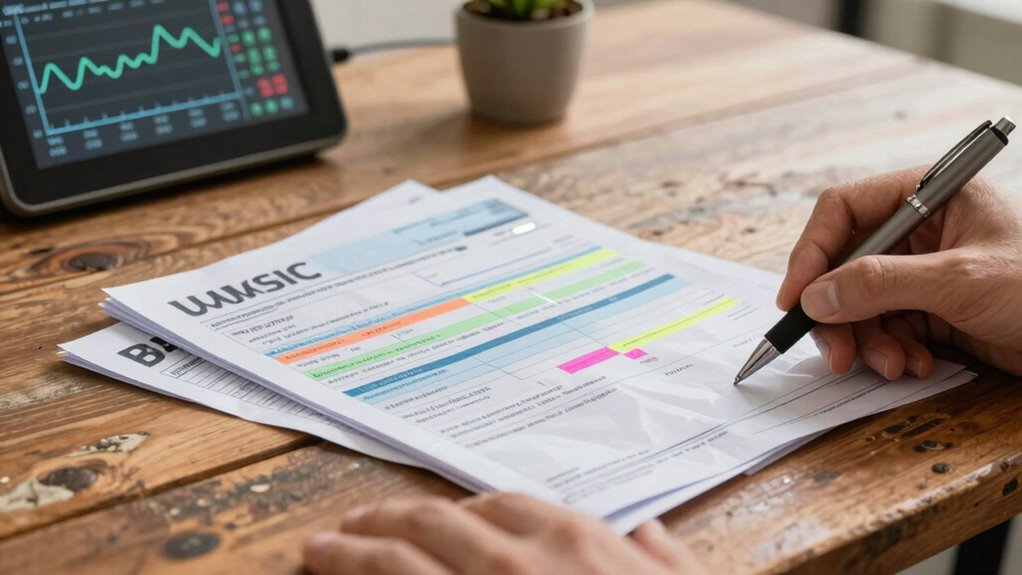

To read a utility bill like a plant manager, start by examining the billing period and usage units, such as kWh, gallons, or therms, and compare current consumption to previous bills to spot patterns or spikes. Understand tiered rates and extra charges, and use visual tools like charts to track trends. Look for discrepancies or rate changes, and recognize opportunities for efficiency upgrades. Keep an eye on your overall management approach—more insights await if you keep exploring.

Prime made for students and young adults
- Fast, free delivery for dorm and study essentials
- Prime Video and Amazon Music included
- Member-only deals
Key Takeaways
- Analyze billing periods and usage units to monitor consumption patterns over time.
- Review rates, tiered pricing, and additional charges for potential discrepancies or savings.
- Use visual tools like graphs to identify trends and unusual spikes in energy use.
- Check for billing errors, rate changes, or unexpected charges through regular bill reviews.
- Manage energy efficiency proactively by comparing usage, identifying waste, and exploring upgrades.
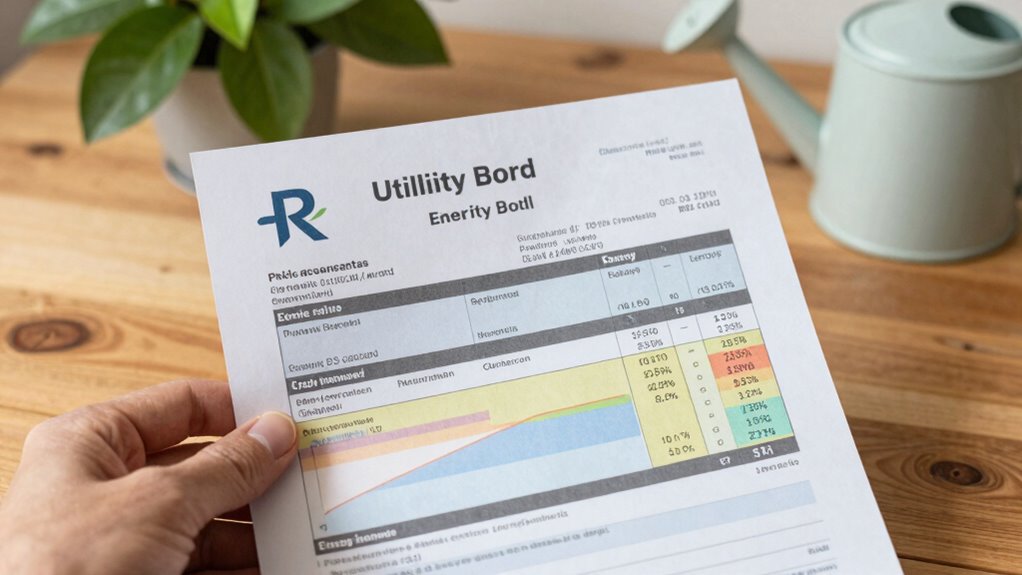
Understanding how to read your utility bill can save you money and help you better manage your household expenses. When you learn to interpret the details, you can identify areas where energy conservation is possible, ultimately reducing your monthly costs. It’s also a good way to spot billing discrepancies early—mistakes or errors that could lead to overcharges. Being proactive about these details puts you in control, just like a plant manager overseeing operations to guarantee efficiency.
Start by reviewing the statement’s main sections. The billing period indicates the duration the charges cover, usually a month. Pay attention to your usage units—kilowatt-hours (kWh) for electricity, cubic feet or gallons for water, and therms or cubic meters for gas. These figures show how much you consumed, and comparing them to previous bills helps you identify unusual spikes that might signal waste or leaks. For instance, a sudden increase in electricity use could mean leaving appliances on or inefficient lighting. Recognizing these patterns allows you to implement energy conservation strategies, like switching to LED bulbs or unplugging devices not in use.
Review your usage units and compare bills to identify spikes and implement energy-saving strategies.
Next, examine the rates applied to your usage. Utility companies often have tiered pricing, where higher consumption leads to higher rates. Understanding this structure can motivate you to keep usage within lower tiers, saving money in the long run. Some bills also include additional charges such as service fees, taxes, or environmental surcharges. Be aware of these extras because they can vary and sometimes lead to billing discrepancies. If your bill seems unusually high or if charges don’t match your expectations, don’t hesitate to contact the provider for clarification or dispute errors. Learning about tiered pricing can help you develop more effective usage habits to stay within lower-cost brackets. Additionally, reviewing your bill regularly can help you stay informed about any unexpected charges or changes in rates that may occur over time.
Another important part of reading your bill is the detailed breakdown of your consumption history. Many bills include graphs or charts comparing current usage to past periods or similar households. These visual aids help you spot trends and set conservation goals. If you notice your consumption is consistently high, it’s a sign to audit your household’s energy habits or consider upgrades like better insulation or energy-efficient appliances. Recognizing patterns in your usage can help you make targeted improvements that save money and energy. Additionally, understanding the biodiversity impact of your energy choices can help you make more sustainable decisions that support conservation efforts beyond your household. Incorporating renewable energy options can further reduce your environmental footprint and potentially lower your bills over time.
Finally, be vigilant about any notices or alerts on your bill. Sometimes utility companies notify customers of outages, maintenance, or potential billing errors. Keeping an eye on these messages ensures you stay informed and can address issues promptly. By approaching your utility bill like a plant manager, you develop a keen eye for details, enabling you to optimize your household’s energy use, prevent billing errors, and ultimately save money.
As an affiliate, we earn on qualifying purchases.
Frequently Asked Questions
How Often Should I Review Utility Bills for Accuracy?
You should review your utility bills at least once every billing cycle, which usually spans a month. Regular reviews help catch billing errors early and identify cost fluctuations that could indicate issues or opportunities for savings. By staying vigilant throughout each cycle, you guarantee accuracy and better manage your plant’s energy and water expenses, preventing surprises and maintaining control over your operational costs.
What Are Common Signs of Billing Errors?
You should watch for billing discrepancies like unexpected charges or sudden rate fluctuations. Common signs include unusually high usage compared to past bills, incorrect account details, or charges that don’t match your agreed rate. Rate fluctuations can cause significant billing errors, so compare current bills with previous ones. If anything seems off, contact your utility provider promptly to clarify or dispute the charges, ensuring your bill accurately reflects your consumption.
How Can I Compare Bills Across Different Utility Providers?
To compare bills across utility providers, you need to become a billing detective. Spot billing discrepancies by examining unit rates, fees, and total charges. Create a side-by-side provider comparison chart, noting differences in charges and services. Don’t forget to check for hidden fees or surcharges. This way, you’ll quickly identify which provider offers the best deal and avoid falling for billing tricks that inflate your costs.
What Impact Do Seasonal Changes Have on Utility Costs?
Seasonal fluctuations substantially impact your utility costs, causing cost variations throughout the year. During peak seasons, like winter or summer, energy use increases due to heating or cooling needs, raising your bills. You should monitor these seasonal patterns and adjust your consumption accordingly. Planning for these fluctuations helps you manage costs better, and understanding how seasonal changes affect your bills allows you to optimize energy efficiency and budget more effectively year-round.
Are There Specific Metrics to Monitor for Energy Efficiency?
You should monitor energy consumption regularly to gauge your plant’s efficiency. Track metrics like energy per unit of production and compare them against industry efficiency benchmarks. Keep an eye on peak demand periods and analyze trends over time to identify areas for improvement. By focusing on these metrics, you can optimize your energy use, reduce costs, and guarantee your plant operates at peak efficiency.
Conclusion
By mastering the art of reading your utility bill, you’re gently tuning into the subtle symphony of your facility’s energy use. Every line reveals a story, hinting at opportunities to improve efficiency and reduce costs. Think of it as a quiet conversation with your plant’s heartbeat. With a little attention, you can guide your operations toward a more sustainable rhythm, ensuring smooth, cost-effective performance—quietly steering your plant toward a brighter, more efficient future.
Fall Picks
fall essentials
As an affiliate, we earn on qualifying purchases.