

You should know that rare earth processing chemistry is back in the spotlight because of growing environmental concerns and supply chain issues. Current methods often produce hazardous waste and harm ecosystems, prompting efforts to develop greener, more efficient techniques. Innovations focus on reducing energy use and recycling waste to make the process more sustainable. If you keep exploring, you’ll discover how these advances aim to transform the future of rare earth material recovery.
Key Takeaways
- Increasing demand for rare earth elements drives the need for more efficient and sustainable processing methods.
- Environmental concerns over hazardous waste and toxic byproducts have prompted innovations in greener chemistry.
- Advances in recycling electronic waste highlight new opportunities for sustainable rare earth recovery.
- Research focuses on developing energy-efficient, less harmful extraction technologies to reduce ecological impact.
- Chemistry innovations are essential for creating a more sustainable, responsible supply chain for rare earth materials.
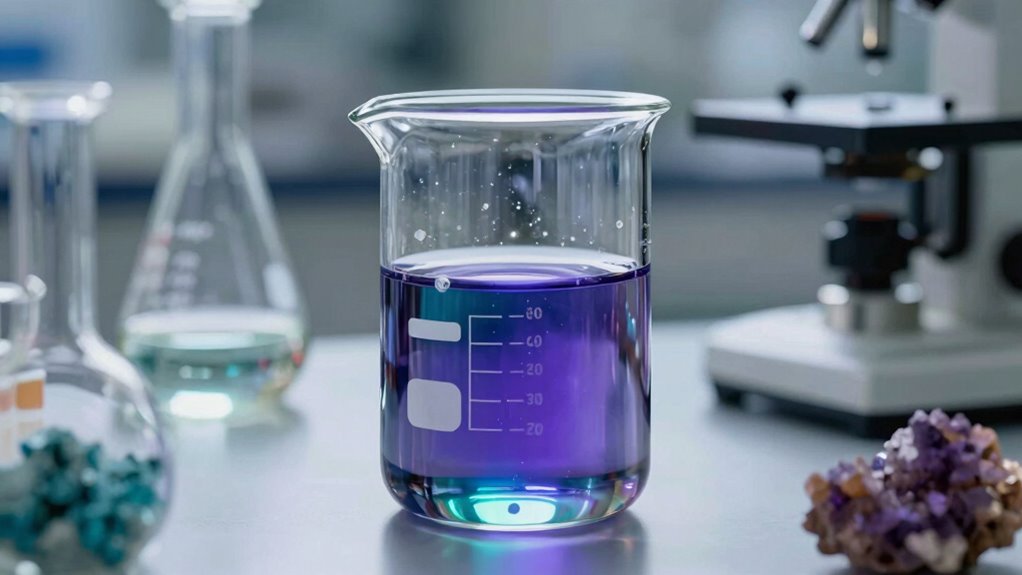
Once the minerals are extracted, you move into the refining phase, where chemistry plays a pivotal role. Here, you use a series of chemical processes—such as solvent extraction, ion exchange, and precipitation—to separate and purify the individual rare earth elements. Because these elements are chemically similar, you need precise control over conditions like pH and temperature to selectively isolate each element. This stage is complex and energy-demanding, often generating hazardous waste that must be carefully managed to minimize environmental impact. It’s in these refining steps that the chemistry becomes essential, as it determines the efficiency, yield, and purity of the final rare earth products. Advances in chemistry aim to reduce the reliance on environmentally damaging processes and make the entire supply chain more sustainable, with innovations like greener solvent systems, recycling of rare earth elements from electronic waste, or alternative extraction methods that consume less energy and produce fewer toxic byproducts. Chemistry plays a crucial role in improving the sustainability of rare earth processing techniques. Additionally, ongoing research focuses on environmentally friendly methods that can further mitigate ecological concerns associated with traditional refining, including the development of greener solvent systems and more sustainable recycling practices. Researchers are also exploring novel extraction technologies that could revolutionize how these valuable elements are recovered, potentially making the process more energy-efficient and environmentally friendly.
rare earth element recycling kits
As an affiliate, we earn on qualifying purchases.
As an affiliate, we earn on qualifying purchases.
Frequently Asked Questions
How Do Rare Earth Elements Impact Global Supply Chains?
You’re affected by rare earth elements’ impact on global supply chains because market volatility and geopolitical influence shape their availability and prices. When countries control these resources, tensions rise, disrupting supply chains and causing delays. You might face higher costs or shortages, especially as nations compete for access. Staying informed about geopolitical shifts helps you anticipate disruptions and adapt your strategies to manage risks associated with rare earth elements.
What Are the Environmental Risks of Rare Earth Processing?
You face environmental risks from rare earth processing, including environmental pollution from toxic chemicals used during extraction and processing. Waste management becomes a challenge as hazardous waste can contaminate soil and water sources if not handled properly. These risks highlight the importance of strict regulations and sustainable practices to minimize environmental damage, protecting ecosystems and communities from long-term pollution and health hazards associated with rare earth element production.
How Are New Technologies Improving Rare Earth Extraction?
New technologies like ion exchange and solvent extraction are making rare earth extraction more efficient and environmentally friendly. You benefit from these advances because they reduce chemical waste and energy use, streamlining the process. Ion exchange selectively separates rare earth elements, while solvent extraction improves purity and yield. These innovations help lower environmental impact, making rare earth processing safer and more sustainable for future demands.
What Countries Dominate the Rare Earth Market?
You should know that China dominates the rare earth market, controlling most of the global supply. This market dominance means fluctuations in production and demand can cause significant market swings. Geopolitical influence plays a vital role, as countries sometimes restrict exports to strengthen their positions. Though other nations like the US and Australia are increasing their capacities, China still holds the upper hand, shaping global supply chains and impacting prices worldwide.
How Does Processing Chemistry Affect Rare Earth Purity?
You might find it surprising, but processing chemistry directly influences rare earth purity. When you perform chemical separation carefully, you effectively remove impurities that can compromise quality. Precise impurity control guarantees the separation process yields high-purity rare earth elements. This meticulous approach minimizes contamination, enhances product value, and supports advanced applications, making the chemistry behind processing essential for achieving the desired purity levels in the final product.
Conclusion
As you explore rare earth processing chemistry, remember that behind the complex reactions lies a essential resource fueling modern technology. While some see it as a challenge, others view it as an opportunity—much like a hidden treasure waiting to be uncovered. In this race for innovation, the chemistry isn’t just a science; it’s the key to shaping our sustainable future. Embrace the complexity, because what’s rare today might become our greatest strength tomorrow.




![Terence Tao Explains 6 Essential Mathematical Concepts [Video]](https://chemicalceo.com/wp-content/uploads/2026/09/terence-tao-explains-6-essential-mathematical-concepts-video-featured-260x140.jpg)