
Many believe natural fragrances are always gentler and safer, but that’s not true. Natural ingredients can still cause irritation or allergic reactions, especially for sensitive skin. Synthetic scents are often tested and formulated to reduce unpredictability and irritation. Your skin’s reaction depends on your unique sensitivities, not just whether a fragrance is natural or synthetic. To understand how different scents affect you, keep exploring the facts behind natural versus synthetic fragrances.
Key Takeaways
- Natural fragrances can still trigger allergic reactions or skin irritation despite being perceived as gentler.
- Both natural and synthetic scents contain compounds that may cause sensitivities, depending on individual skin chemistry.
- Natural oils, like essential oils, can be potent and irritating, challenging the assumption of natural gentleness.
- Synthetic fragrances are often refined and tested for safety, potentially reducing irritation compared to some natural ingredients.
- Personal sensitivities vary; natural does not automatically mean safe or non-irritating for everyone.
Many people assume that natural fragrances are inherently gentler on the skin and less likely to cause irritation. This belief leads many to choose products labeled as “natural,” thinking they’re safer and kinder to sensitive skin. However, this isn’t always the case. Natural doesn’t automatically mean non-irritating. Some natural ingredients can trigger allergic reactions just as easily as synthetic scents. Conversely, many synthetic scents are carefully formulated and tested for safety, making them potentially less likely to cause irritation in some individuals. It’s a common misconception that natural fragrances are universally better for sensitive skin, but the reality is more nuanced.
Natural fragrances aren’t always gentler; both natural and synthetic scents can cause skin irritation depending on individual sensitivities.
Synthetic scents are created in labs using man-made compounds. These ingredients are often highly refined and standardized, which can reduce the risk of unpredictable reactions. Many synthetic fragrances are designed to mimic natural smells but with fewer impurities that could cause skin problems. Yet, because they are artificial, they can still contain chemicals that irritate certain skin types or trigger allergies. Some people find their skin reacts strongly to synthetic scent ingredients, experiencing redness, itching, or even more severe allergic reactions. This highlights that irritation isn’t solely dependent on whether a fragrance is natural or synthetic but rather on individual sensitivities. Additionally, chemical composition plays a crucial role in how a fragrance affects the skin. Recognizing that ingredient variability can influence skin reactions emphasizes the importance of individual testing and awareness.
Furthermore, individual sensitivities vary widely, making it essential to consider personal reactions rather than relying solely on label claims. Allergic reactions can occur with either natural or synthetic fragrances. For some, natural oils like essential oils can cause irritation because they contain potent compounds that the skin perceives as irritants. For others, synthetic fragrances might be the culprit, especially if they contain allergenic chemicals like limonene or linalool, which are common in many perfumes and personal care products. The key is understanding your own skin and sensitivities. Some people tolerate natural fragrances well, while others find they provoke reactions. The complexity of skin chemistry**** further underscores the importance of paying close attention to individual responses, regardless of the source of the scent. Hence, blindly assuming one is safer than the other can lead to unexpected skin issues.
Ultimately, whether you choose natural or synthetic fragrances, it’s essential to pay attention to how your skin responds. Look for products labeled as hypoallergenic if you have sensitive skin, and consider doing a patch test before regular use. Remember, individual reactions vary widely, and what’s gentle for one person could be irritating for another. The myth that natural fragrances are automatically gentler overlooks the complexity of skin chemistry and the ingredients involved. Both natural and synthetic scents can cause allergic reactions, so informed choices and awareness are your best tools in skincare.
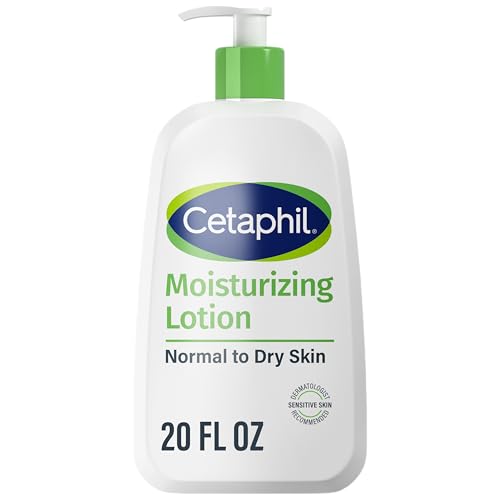
Cetaphil Moisturizing Face & Body Lotion, Sensitive Skin, 20oz
- Suitable for All Skin Types: Lightweight, fast-absorbing, non-greasy
- Provides 48-Hour Hydration: Instantly soothes and strengthens skin barrier
- Ideal for Whole Body Use: Absorbs quickly on hands, feet, elbows, knees
As an affiliate, we earn on qualifying purchases.
As an affiliate, we earn on qualifying purchases.
Frequently Asked Questions
Are Natural Fragrances More Likely to Cause Allergic Reactions?
Natural fragrances aren’t necessarily less likely to cause allergic reactions. Your allergy susceptibility varies, and natural scents can contain potent fragrance irritants that trigger sensitivities. Even plant-based ingredients can provoke skin reactions or allergies. If you have a history of fragrance allergies, it’s wise to test new products carefully. Always read labels, and consider consulting a dermatologist to identify specific irritants and find suitable, hypoallergenic options.
Do Natural Fragrances Last Longer Than Synthetic Ones?
Natural fragrances generally don’t last longer than synthetic ones because their ingredient stability tends to be lower, leading to quicker evaporation. Synthetic fragrances are often formulated for enhanced fragrance longevity, maintaining their scent over time. Your skin’s chemistry also affects how long a fragrance lasts, but overall, synthetics are designed for better lasting power through improved ingredient stability, making them more reliable for long-lasting scent.
Can Natural Fragrances Contain Harmful Toxins?
Yes, natural fragrances can contain harmful toxins, especially if ingredient sourcing isn’t carefully managed. Unlike synthetic options, natural ingredients may have lower chemical stability, making them more susceptible to spoilage or reactions that produce irritants. It’s essential to check how ingredients are sourced and processed, as some natural components might still cause allergic reactions or toxicity. Always research brands that prioritize safe, transparent sourcing to avoid potential toxins.
Are All Natural Ingredients Safe for Sensitive Skin?
Think of natural ingredients as a lush garden—beautiful, but not all plants are suited for everyone. Not all natural ingredients are safe for sensitive skin, as plant extracts can sometimes cause irritation. You need to check ingredient purity and test new products carefully. While many natural ingredients are gentle, some may still trigger reactions, so it’s essential to choose products specifically formulated for sensitive skin to avoid any unwanted flare-ups.
How Do Natural Fragrances Affect the Environment Compared to Synthetics?
Natural fragrances can be more eco-friendly than synthetics because they often involve eco-friendly harvesting practices, reducing environmental harm. They tend to have higher biodegradability rates, meaning they break down more easily in the environment, lessening pollution. However, their environmental impact varies depending on sourcing and production methods. Choosing fragrances with transparent, sustainable practices helps guarantee you’re supporting products that are gentler on the planet.
Conclusion
Think of natural fragrances like a beautiful garden; they can be soothing and calming, but sometimes, a thorn might sneak in. Just because something is natural doesn’t mean it’s gentle or safe for everyone. Like a garden that requires careful tending, choosing scents needs awareness and understanding. So, don’t assume all natural aromas are harmless—approach them like a garden you’re learning to nurture, respecting each bloom’s unique qualities.