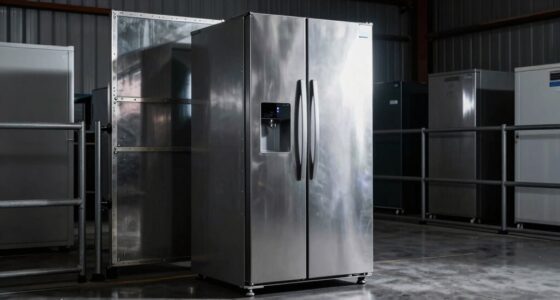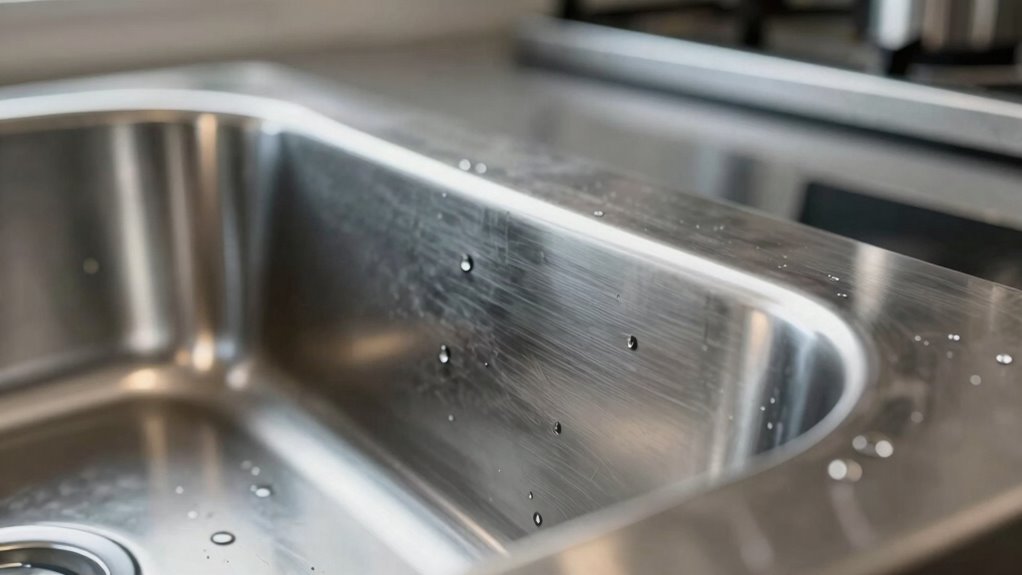

Many believe stainless steel is completely inert, but that’s a misconception. While it resists corrosion and doesn’t react with food, it can still stain, rust, or corrode under certain conditions. Exposure to salty, acidic, or harsh chemicals can damage its surface over time. Proper maintenance and understanding the environment help extend its lifespan. If you want to uncover more details about how stainless steel behaves and stays durable, keep exploring this topic.

Get school and study supplies delivered free — and shop member deals
- Fast, free delivery on millions of items
- Access to Prime Big Deal Days deals on October 6–7
- Prime Video, Amazon Music and more included
Key Takeaways
- Stainless steel is resistant to corrosion but not completely inert; it can still stain or rust under certain conditions.
- Prolonged contact with salty, acidic, or harsh chemicals can damage its surface.
- Surface scratches or damage can harbor bacteria, compromising food safety.
- Proper maintenance and regular inspection are essential to prevent long-term deterioration.
- Environmental factors and material grade influence stainless steel’s durability and inertness.
Have you ever believed everything you’ve heard about stainless steel? Many people assume that because it’s called “stainless,” it means the material is completely inert and immune to any kind of damage or reaction. But that’s not entirely true. While stainless steel is renowned for its corrosion resistance, it’s not completely invulnerable. Under certain conditions, it can still corrode or stain, especially if exposed to harsh chemicals or environments that exceed its design specifications. For example, prolonged contact with salty or acidic substances can compromise its surface, leading to rust or pitting. So, thinking of it as entirely inert might give you a false sense of security, especially in applications where durability and longevity matter.
When it comes to food safety, many assume stainless steel is the safest choice because it’s non-reactive and easy to clean. It’s true that stainless steel is widely used in kitchen appliances, cookware, and food processing equipment precisely because it resists corrosion and doesn’t leach harmful chemicals into food. Still, that doesn’t mean it’s completely inert in all situations. If the surface gets scratched or damaged, tiny crevices can develop where bacteria and food particles might hide, risking contamination. Proper cleaning and maintenance are essential to guarantee food safety; neglecting these can lead to bacterial buildup, which defeats the purpose of choosing stainless steel for food contact. Additionally, understanding stainless steel grades and their specific properties can help you select the best type for your needs and avoid potential issues. Regular inspection and proper sanitation are crucial to maintaining a safe and durable stainless steel surface. Moreover, being aware of environmental factors that impact corrosion can help extend its lifespan and safety in various settings. Recognizing corrosion mechanisms is also beneficial for preventing long-term damage and ensuring its integrity over time. It’s also important to consider the maintenance practices that can prevent damage and preserve its integrity over time.
stainless steel cleaning and maintenance kit
As an affiliate, we earn on qualifying purchases.
As an affiliate, we earn on qualifying purchases.
Frequently Asked Questions
Can Stainless Steel Cause Allergic Reactions?
Yes, stainless steel can cause allergic reactions, especially if you have nickel sensitivity or other metal allergies. Although it’s generally considered hypoallergenic, small amounts of nickel can leach out and trigger reactions in sensitive individuals. If you suspect a metal allergy, it’s best to choose jewelry or items labeled nickel-free or made from alternative materials to avoid discomfort or allergic symptoms.
Is Stainless Steel Safe for Food Contact?
Stainless steel is safe for food contact, with over 80% of kitchen equipment made from it. Its safety depends on surface finishes and manufacturing processes; high-quality finishes reduce corrosion and contamination risks. Properly manufactured stainless steel resists bacteria and is easy to clean. As long as you choose reputable products, stainless steel offers a durable, safe, and hygienic option for food preparation, cooking, and storage.
How Does Stainless Steel Compare to Other Metals?
Stainless steel compares favorably to other metals because it offers excellent corrosion resistance, making it durable and long-lasting in various environments. It’s also more environmentally friendly due to its recyclability and lower lifecycle impact. Unlike some metals that corrode or require frequent replacement, stainless steel maintains its integrity, reducing waste and environmental harm. Overall, it’s a safer and more sustainable choice for many applications.
Does Stainless Steel Corrode Over Time?
Sure, stainless steel might seem invincible, but it’s not immune to corrosion. Over time, surface oxidation occurs, especially when exposed to harsh environmental factors like salt, moisture, or acids. While it resists rust better than most metals, it can still succumb to tarnish and pitting if neglected. So, your shiny investment isn’t entirely forever — just mostly, as long as you keep an eye out for those pesky environmental villains.
Are All Stainless Steels Equally Non-Reactive?
Not all stainless steels are equally non-reactive. Your stainless steel’s surface finish and manufacturing processes considerably influence its reactivity. A smoother, well-polished surface minimizes surface imperfections and reduces corrosion risk, making it more inert. Conversely, rougher finishes or certain production methods may introduce micro-defects, increasing reactivity. So, when choosing stainless steel, consider its surface finish and manufacturing history to guarantee it meets your non-reactive needs.
Conclusion
So, next time you reach for stainless steel, remember it’s not entirely inert—just like how a seemingly harmless surface can sometimes surprise you. It’s funny how we often trust what’s familiar without considering the details, isn’t it? Sometimes, what we assume to be completely safe turns out to be a bit more complex. Keep that in mind; a little awareness can go a long way in avoiding unexpected surprises.
Halloween Picks
halloween
As an affiliate, we earn on qualifying purchases.