

For anyone interested in understanding the complexities of the chemical industry and the factors shaping its business landscape, choosing the right book can be challenging. The best overall pick, “History of the International Chemical Industry: From the Early Days to 2000,” offers a comprehensive historical perspective, while “Business Chemistry: How to Build and Sustain Thriving Businesses in the Chemical Industry” provides practical insights for industry success. Other standout options explore future trends, safety economics, and environmental innovations. The main tradeoffs involve balancing technical depth, strategic insights, and practical applications. Keep reading for a detailed comparison to help you find the perfect fit for your needs.

Get school and study supplies delivered free — and shop member deals
- Fast, free delivery on millions of items
- Access to Prime Big Deal Days deals on October 6–7
- Prime Video, Amazon Music and more included
Key Takeaways
- The most comprehensive books combine historical context with future industry trends, providing a well-rounded perspective.
- Practical guides like ‘Business Chemistry’ are ideal for professionals seeking actionable strategies, but may lack in-depth technical detail.
- Environmental and safety-focused titles are increasingly vital as the industry moves toward sustainability and carbon neutrality.
- Top-ranked books excel in clarity and accessibility, making complex topics understandable for a broad audience.
- Price and depth often trade off, with more detailed books tending to be more expensive and less accessible for casual readers.
| History of the International Chemical Industry: From the Early Days to 2000 | 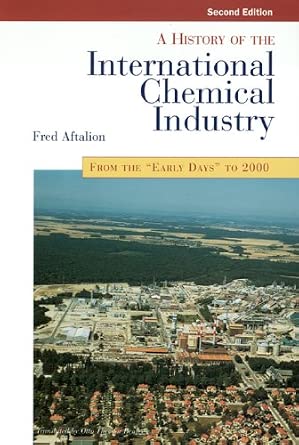 | Best for Historical Context and Industry Evolution | Publication Year: 2002 | Pages: 432 | Focus: Historical industry evolution | VIEW ON AMAZON | See Our Full Breakdown |
| Business Chemistry: How to Build and Sustain Thriving Businesses in the Chemical Industry |  | Best for Industry-Specific Business Strategies | Pages: 256 | Publication Year: 2015 | Focus: Business development in chemicals | VIEW ON AMAZON | See Our Full Breakdown |
| Operational Safety Economics: A Practical Approach Focused on the Chemical and Process Industries |  | Best for Safety and Cost-Effective Risk Management | Pages: 320 | Publication Year: 2018 | Focus: Safety economics for chemical industries | VIEW ON AMAZON | See Our Full Breakdown |
| The Future of the Chemical Industry by 2050 |  | Best for Future Trends and Industry Forecasts | Pages: 280 | Publication Year: 2023 | Focus: Future industry trends and innovations | VIEW ON AMAZON | See Our Full Breakdown |
| Chemicals and Long-Term Economic Growth: Insights from the Chemical Industry |  | Best for Economic Impact and Industry Insights | Pages: 350 | Publication Year: 1999 | Focus: Economic impacts and industry growth | VIEW ON AMAZON | See Our Full Breakdown |
| Fundamentals of Industrial Chemistry: Pharmaceuticals, Polymers, and Business |  | Best for Foundational Knowledge in Industrial Chemistry | Subject Focus: Industrial Chemistry, Pharmaceuticals, Polymers | Intended Audience: Students, Professionals | Coverage: Core principles of industrial chemistry and business practices | VIEW ON AMAZON | See Our Full Breakdown |
| Growth Company: Dow Chemical’s First Century |  | Best for Industry History Enthusiasts and Corporate Insights | Subject Focus: Chemical Industry History | Audience: Historians, Industry Enthusiasts | Length: Detailed, comprehensive | VIEW ON AMAZON | See Our Full Breakdown |
| The Ecological Modernization of the Chemical Industry: Predictors for Adoption of Innovations to Reach Carbon Neutrality in the Chemical Industry |  | Best for Sustainability and Innovation Strategies | Subject Focus: Ecological Modernization, Sustainability | Audience: Environmental Professionals, Policymakers | Focus: Predictors for innovation adoption | VIEW ON AMAZON | See Our Full Breakdown |
| Process Engineering Economics (Chemical Industries) |  | Best for Cost and Financial Decision-Making in Chemical Engineering | Subject Focus: Chemical Engineering Economics | Intended Audience: Engineers, Financial Analysts, Project Managers | Content Type: Economic Principles, Cost Analysis | VIEW ON AMAZON | See Our Full Breakdown |
| Value Creation: Strategies for the Chemical Industry |  | Best for Business Strategy and Industry Performance | Subject Focus: Industry Strategy, Value Creation | Audience: Managers, Business Strategists | Content Type: Management Techniques, Industry Practices | VIEW ON AMAZON | See Our Full Breakdown |
| books on the chemical industry and business | Publication Year | Focus | Pages | Subject Focus |
|---|---|---|---|---|
| History of the International C | 2002 | Historical industry evolution | 432 | — |
| Business Chemistry: How to Bui | 2015 | Business development in chemicals | 256 | — |
| Operational Safety Economics: | 2018 | Safety economics for chemical industries | 320 | — |
| The Future of the Chemical Ind | 2023 | Future industry trends and innovations | 280 | — |
| Chemicals and Long-Term Econom | 1999 | Economic impacts and industry growth | 350 | — |
| Fundamentals of Industrial Che | — | — | — | Industrial Chemistry, Pharmaceuticals, Polymers |
| Growth Company: Dow Chemical’s | Not specified | — | — | Chemical Industry History |
| The Ecological Modernization o | Not specified | Predictors for innovation adoption | — | Ecological Modernization, Sustainability |
| Process Engineering Economics | — | — | — | Chemical Engineering Economics |
| Value Creation: Strategies for | — | — | — | Industry Strategy, Value Creation |
More Details on Our Top Picks
History of the International Chemical Industry: From the Early Days to 2000
This book stands out for its thorough coverage of the historical development of the chemical industry, tracing milestones from its origins through the year 2000. Compared with more technical titles like Operational Safety Economics, which focus on safety strategies, this volume offers a broad contextual understanding that benefits industry historians and strategists alike. Its detailed timeline and industry evolution make it ideal for those seeking to grasp how past innovations and policies shaped current practices. However, its lack of technical content means it may not satisfy readers looking for in-depth chemical processes or safety techniques.
Pros:- Comprehensive historical overview from the industry’s inception to 2000
- Highlights key technological and policy milestones
- Provides context for understanding current industry trends
Cons:- Limited technical or scientific detail on chemical processes
- May be too specialized for casual readers or those seeking practical guidance
Best for: historians, industry analysts, and students interested in the evolution of the chemical sector
Not ideal for: practitioners seeking technical safety or operational strategies, as it lacks technical depth
- Publication Year:2002
- Pages:432
- Focus:Historical industry evolution
Our verdict“This book is best suited for readers wanting a detailed historical background on the chemical industry’s development.”
Business Chemistry: How to Build and Sustain Thriving Businesses in the Chemical Industry
This title makes the most sense for chemical industry executives and entrepreneurs looking for practical, industry-tailored business guidance. Unlike the more technical Operational Safety Economics, which centers on safety management, this book emphasizes strategic practices, marketing, and sustainability to foster growth. Its focus on industry-specific challenges and solutions can help professionals develop resilient business models. However, the limited detail on technical or operational aspects means it’s less suited for those seeking in-depth process or safety strategies, and its lack of reviews makes its practical impact less verifiable.
Pros:- Provides targeted strategies for building and maintaining chemical industry businesses
- Focuses on sustainable practices and long-term growth
- Industry-specific insights that help tailor business models
Cons:- Limited technical or operational content
- No customer reviews or detailed content specifications
Best for: business leaders and entrepreneurs in the chemical sector seeking strategic growth insights
Not ideal for: technical safety managers or process engineers looking for detailed safety protocols or technical specs
- Pages:256
- Publication Year:2015
- Focus:Business development in chemicals
Our verdict“Ideal for chemical business owners and managers seeking strategic insights rather than technical or safety details.”
Operational Safety Economics: A Practical Approach Focused on the Chemical and Process Industries
This pick is ideal for safety managers and operations professionals who need actionable risk assessment and safety strategies. Compared with The Future of the Chemical Industry by 2050, which explores industry trends and future challenges, this book provides concrete safety management techniques tailored for chemical plants. Its focus on cost-effective safety solutions makes it practical, but its technical language and scant case studies could be a barrier for newcomers or those without a safety background. This book is not meant for general readers but serves well for operational teams aiming to reduce risk without excessive expenditure.
Pros:- Provides practical, actionable safety management strategies
- Focuses on cost-effective risk mitigation techniques
- Includes risk assessment methods applicable to chemical industries
Cons:- Limited case studies or real-world examples
- Technical language may challenge beginners
Best for: safety engineers and operations managers in chemical plants seeking practical safety strategies
Not ideal for: industry analysts or students more interested in future trends or economic impacts, as it lacks broader industry context
- Pages:320
- Publication Year:2018
- Focus:Safety economics for chemical industries
Our verdict“Best suited for safety professionals aiming to implement cost-effective safety solutions in chemical operations.”
The Future of the Chemical Industry by 2050
This book excels at presenting in-depth analyses of future technological and sustainability trends, making it ideal for professionals, researchers, and students focused on long-term industry development. Unlike History of the International Chemical Industry, which recounts past milestones, this volume projects upcoming challenges and innovations shaping the chemical landscape. Its lack of detailed specifications or practical case studies limits immediate applicability, but it offers valuable insights into where the industry might head, especially in areas like green chemistry and digital transformation.
Pros:- Provides comprehensive analysis of future industry developments
- Highlights technological and sustainability innovations
- Valuable for strategic planning and educational purposes
Cons:- No detailed technical specifications or real-world case studies
- Focuses heavily on predictions, which may vary in accuracy
Best for: chemical engineers, industry strategists, and sustainability advocates planning for 2050
Not ideal for: practitioners seeking immediate operational or safety strategies, as it concentrates on future projections rather than current practices
- Pages:280
- Publication Year:2023
- Focus:Future industry trends and innovations
Our verdict“This book is best for those looking to understand long-term trends and prepare for future industry shifts.”
Chemicals and Long-Term Economic Growth: Insights from the Chemical Industry
This title provides a broad economic perspective, making it especially useful for industry professionals and economists interested in how chemicals drive economic growth over the long term. Unlike The Future of the Chemical Industry by 2050, which emphasizes future trends and technological shifts, this book examines economic impacts, innovations, and industry contributions to global growth. Its limited technical detail means it’s less suitable for process engineers, but it offers valuable insights into the economic significance of chemical innovations and industry developments.
Pros:- Provides comprehensive insights into the economic role of chemicals
- Highlights industry trends and innovations impacting growth
- Useful for policy and strategic decision-making
Cons:- Lacks detailed technical or process information
- Limited content on current operational practices
Best for: economists, policy makers, and industry analysts focused on economic impacts of chemical development
Not ideal for: practitioners seeking operational or safety strategies, as it concentrates on economic rather than technical aspects
- Pages:350
- Publication Year:1999
- Focus:Economic impacts and industry growth
Our verdict“This book is ideal for those analyzing the economic influence of the chemical industry and industry-driven growth.”
Fundamentals of Industrial Chemistry: Pharmaceuticals, Polymers, and Business
This book stands out for providing a thorough overview of core principles in industrial chemistry, making it an ideal starting point for students and professionals seeking a solid foundation. Compared with Process Engineering Economics, which dives deeper into financial analysis, this title offers broader coverage of chemistry topics but lacks detailed technical specifics. Its focus on pharmaceuticals and polymers bridges chemical theory and business practices, although the absence of a recent edition or detailed content overview might limit its usefulness for those needing the latest insights. Overall, this book helps build essential understanding but may require supplementary sources for advanced or current industry practices.
Pros:- Comprehensive overview of core industrial chemistry topics
- Suitable for both students and professionals
- Includes insights into pharmaceuticals and polymers
Cons:- No specific edition or publication date provided
- Lacks detailed content overview
Best for: Students or early-career professionals in chemical engineering or industrial chemistry who need foundational knowledge.
Not ideal for: Experienced industry professionals seeking advanced technical details or the latest industry trends.
- Subject Focus:Industrial Chemistry, Pharmaceuticals, Polymers
- Intended Audience:Students, Professionals
- Coverage:Core principles of industrial chemistry and business practices
- Edition:Not specified
- Language:English
- Format:Textbook
Our verdict“A solid introductory resource for those new to industrial chemistry, but it may fall short for advanced or specialized industry needs.”
Growth Company: Dow Chemical’s First Century
This book offers a detailed historical account of Dow Chemical’s first hundred years, making it invaluable for those interested in industry evolution and corporate growth. It compares favorably with Value Creation by providing rich context on how a major chemical company expanded and innovated, though it lacks visual aids and might be overly technical for casual readers. Its depth benefits industry historians and corporate strategists but may be less appealing to readers seeking practical, current industry practices. For anyone wanting a comprehensive history of a pioneering chemical firm, this title delivers a well-researched narrative, though it doesn’t include contemporary insights or visual engagement.
Pros:- Extensive historical overview of Dow Chemical
- Insightful for understanding industry evolution
- Well-researched and detailed narrative
Cons:- Lacks visual aids or illustrations
- May be too technical for general audiences
Best for: Chemical industry historians, business strategists, or students interested in corporate growth stories.
Not ideal for: Casual readers or professionals looking for current industry trends or practical business advice.
- Subject Focus:Chemical Industry History
- Audience:Historians, Industry Enthusiasts
- Length:Detailed, comprehensive
- Publication Year:Not specified
- Format:Hardcover/Paperback
- Illustrations:None
Our verdict“This book is ideal for those seeking an in-depth historical perspective on the chemical industry’s growth, but less suitable for current practical applications.”
The Ecological Modernization of the Chemical Industry: Predictors for Adoption of Innovations to Reach Carbon Neutrality in the Chemical Industry
This book provides an analytical look at ecological modernization efforts within the chemical sector, emphasizing predictors for adopting innovations towards carbon neutrality. It complements Value Creation by focusing on sustainability rather than business strategies alone, but it offers limited practical details and lacks clear guidance for implementation. Its focus on ecological modernization makes it particularly relevant for industry professionals and policymakers aiming to understand the drivers for sustainable change, although readers seeking actionable steps or detailed case studies might find it lacking. For those interested in the future of eco-friendly chemical practices, it offers valuable insights, but it may require additional sources to translate theory into practice.
Pros:- Deep analysis of ecological modernization strategies
- Provides predictors for successful innovation adoption
- Focuses on achieving carbon neutrality in the chemical sector
Cons:- Limited practical application details
- No concrete case studies or implementation guidance
Best for: Environmental strategists, industry policymakers, or professionals focused on sustainability initiatives.
Not ideal for: Practitioners seeking hands-on guidance or specific technical solutions for carbon reduction.
- Subject Focus:Ecological Modernization, Sustainability
- Audience:Environmental Professionals, Policymakers
- Focus:Predictors for innovation adoption
- Language:English
- Format:Academic/Professional
- Publication Year:Not specified
Our verdict“A valuable resource for understanding ecological change drivers, but it may fall short in providing actionable steps for immediate application.”
Process Engineering Economics (Chemical Industries)
This book excels in delivering detailed analysis of economic principles specific to chemical engineering, making it an essential resource for professionals making financial decisions. It contrasts with Value Creation by emphasizing cost estimation and economic evaluation over strategic management, but it doesn’t include detailed process descriptions, which might be necessary for technical planning. Its practical case studies are beneficial for students and seasoned engineers alike, though its narrow focus on economics may limit its appeal to those outside the financial decision-making sphere. For anyone involved in project evaluation or cost analysis in chemicals, this book offers clarity, but it might require supplementary technical guides for process design context.
Pros:- In-depth coverage of economic principles in chemical engineering
- Useful for decision-making and project evaluation
- Includes practical examples and case studies
Cons:- Lacks detailed technical process descriptions
- May be too specialized for non-engineering roles
Best for: Chemical engineers, financial analysts, or project managers working on economic evaluations in chemical projects.
Not ideal for: General management professionals or those seeking broad industry trends without financial specifics.
- Subject Focus:Chemical Engineering Economics
- Intended Audience:Engineers, Financial Analysts, Project Managers
- Content Type:Economic Principles, Cost Analysis
- Edition:Likely latest
- Language:English
- Format:Textbook
Our verdict“A targeted resource for financial decision-makers in chemical engineering, though it’s less suitable for those seeking technical process insights.”
Value Creation: Strategies for the Chemical Industry
This book targets professionals interested in enhancing business value through sector-specific strategies, similar in scope to Growth Company but with a more practical focus on management techniques. While it offers clear insights into value creation tailored for the chemical industry, it doesn’t delve into technical specifications or broader market trends, making it less relevant for those outside strategic management. Its strength lies in translating industry practices into actionable strategies, though the narrow focus means it won’t serve those seeking comprehensive industry or technical details. This pick makes the most sense for managers aiming to improve performance through targeted value strategies within the chemical sector.
Pros:- Provides industry-specific strategies
- Enhances understanding of value creation processes
- Practical management insights
Cons:- Limited to the chemical industry alone
- No detailed technical or market trend data
Best for: Chemical industry managers and business strategists seeking practical guidance to improve value creation.
Not ideal for: Technical professionals or newcomers looking for foundational chemistry knowledge or industry history.
- Subject Focus:Industry Strategy, Value Creation
- Audience:Managers, Business Strategists
- Content Type:Management Techniques, Industry Practices
- Language:English
- Format:Trade Paperback
- Scope:Chemical Industry
Our verdict“A practical guide for managers focused on strategic value enhancement within chemicals, but not suited for technical or broad industry insights.”

How We Picked
The books were selected based on a combination of factors including content depth, relevance to current industry challenges, credibility of authors, and overall readability. We prioritized titles that offer a blend of historical insight, strategic analysis, and future outlooks, as these are most valuable for a broad audience interested in the chemical industry and business. Additional considerations included the book’s reputation within professional circles, clarity of presentation, and practical value for different types of readers—from students to industry veterans. The rankings reflect a balance between comprehensive coverage and accessibility, ensuring each book serves a specific reader need.| books on the chemical industry and business | Focus | Subject Focus | Format |
|---|---|---|---|
| History of the International C | Historical industry evolution | — | — |
| Business Chemistry: How to Bui | Business development in chemicals | — | — |
| Operational Safety Economics: | Safety economics for chemical industries | — | — |
| The Future of the Chemical Ind | Future industry trends and innovations | — | — |
| Chemicals and Long-Term Econom | Economic impacts and industry growth | — | — |
| Fundamentals of Industrial Che | — | Industrial Chemistry, Pharmaceuticals, Polymers | Textbook |
| Growth Company: Dow Chemical’s | — | Chemical Industry History | Hardcover/Paperback |
| The Ecological Modernization o | Predictors for innovation adoption | Ecological Modernization, Sustainability | Academic/Professional |
| Process Engineering Economics | — | Chemical Engineering Economics | Textbook |
| Value Creation: Strategies for | — | Industry Strategy, Value Creation | Trade Paperback |
Factors to Consider When Choosing Books On The Chemical Industry And Business
Choosing the right book on the chemical industry and business depends on your specific goals, background, and the type of insights you seek. Consider the depth of technical content, focus on future trends, or practical business strategies when making your selection. Being aware of common pitfalls, such as choosing overly technical texts for casual readers or outdated materials, can help you make a more informed decision. A balanced approach involves weighing the importance of historical context, current industry challenges, and future outlooks to find a book that best aligns with your learning objectives.Content Depth and Technicality
Assess whether you need a highly technical, detailed analysis or a broad overview suitable for general understanding. Technical books benefit professionals seeking in-depth knowledge, but they can be dense for newcomers. Conversely, introductory titles may lack the detail needed for advanced industry insights. Consider your background and purpose to choose a book that matches your familiarity with chemical industry concepts.Focus on Future Trends and Innovation
With the industry facing rapid technological and environmental changes, books that explore future scenarios, sustainability, and innovation are increasingly valuable. Ensure the book covers recent developments or predicted trends to stay relevant. However, be cautious of overly speculative titles that lack a solid factual basis, which can mislead readers about industry directions.Practicality and Strategic Insights
Some books emphasize strategic management, operational safety, or market dynamics, which are particularly useful for industry professionals. Others focus on historical analysis or scientific fundamentals, better suited for students or researchers. Decide whether your priority is actionable advice or a foundational understanding, and select accordingly.Author credibility and Industry Relevance
Check the authors’ backgrounds—industry experience, academic credentials, and reputation matter. Well-regarded authors tend to produce more accurate, balanced perspectives. Also, look for titles that are current or have been updated recently, ensuring relevance amid industry evolution.Price and Accessibility
Price varies widely, often reflecting the depth and breadth of coverage. More comprehensive books tend to be more costly but provide more value for serious learners. Consider your budget and how frequently you’ll reference the book—more affordable options may suffice for casual reading, while professional use warrants investment in higher-tier titles.Frequently Asked Questions
Which book provides the best overview of the chemical industry’s history?
“History of the International Chemical Industry: From the Early Days to 2000” stands out for its detailed chronological account, making it ideal for readers seeking a comprehensive understanding of the industry’s evolution. It covers major milestones, technological advances, and market shifts, providing context that helps interpret current industry trends. While it offers valuable historical insights, it may lack in-depth analysis of contemporary challenges or future outlooks, so consider supplementing with more recent titles for a complete picture.
Are there books focused on sustainability and environmental challenges in the chemical industry?
Yes, titles like “The Ecological Modernization of the Chemical Industry” directly address sustainability, innovations for carbon neutrality, and environmental regulations. These books are essential for professionals or students interested in how the industry is responding to ecological pressures. However, they often delve into technical aspects of environmental technology, which may be complex for casual readers. If your focus is on sustainable practices, prioritize these titles for their actionable insights and forward-looking analysis.
Can I find practical management advice in these books?
Absolutely, books such as “Business Chemistry” and “Value Creation” provide strategic and operational guidance tailored to the chemical industry. They focus on building resilient businesses, market strategies, and operational efficiency, making them suitable for managers and entrepreneurs. However, these titles might lack the scientific or technical detail found in more research-focused books, so if you’re seeking in-depth scientific knowledge, you should complement them with technical texts.
Which books are best suited for someone new to the industry?
Introductory titles like “Fundamentals of Industrial Chemistry” or simplified overviews within broader books serve well for beginners. These books break down complex concepts into accessible language and provide foundational knowledge needed to understand industry basics. Avoid overly technical or highly specialized books unless you already possess background expertise, as they can be overwhelming for newcomers.
How important is the publication date when choosing a book on the chemical industry?
The chemical industry evolves rapidly, especially regarding environmental standards, technological innovations, and market dynamics. Therefore, more recent publications tend to offer up-to-date analysis and reflect current challenges and opportunities. Older books can provide valuable historical context but may lack relevance to today’s industry landscape. Balancing foundational knowledge with current insights is key, so consider the publication date alongside the book’s content focus.
Conclusion
For general industry professionals seeking a comprehensive overview, “History of the International Chemical Industry” offers deep historical context combined with strategic insights. Those looking for practical management strategies will find “Business Chemistry” and “Value Creation” most useful. Beginners should start with accessible titles like “Fundamentals of Industrial Chemistry” for a solid foundation. For readers focused on sustainability and future trends, titles like “The Ecological Modernization of the Chemical Industry” are highly recommended. Ultimately, your choice depends on your familiarity with the industry, your specific interests, and whether you prioritize historical context, strategic guidance, or technical detail.
Fall Picks
fall essentials
As an affiliate, we earn on qualifying purchases.