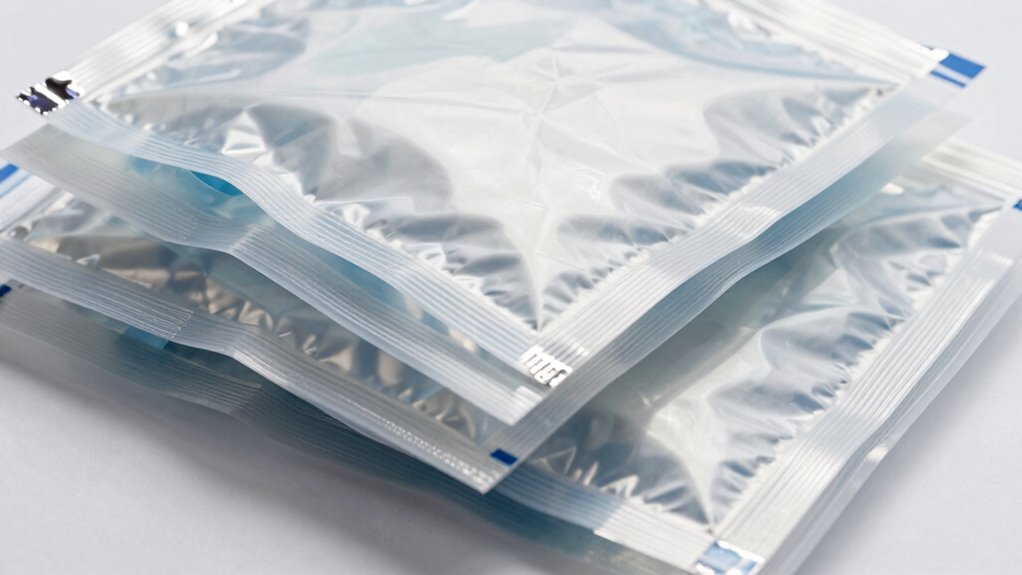

When selecting medical packaging materials, you need options that provide reliable barrier properties, ensuring sterility throughout storage and use. The materials must withstand sterilization methods like gamma irradiation, ethylene oxide, or steam without degrading or reacting with contents. They should also be biocompatible and stable over time to prevent safety issues or migration of substances. By choosing the right materials, you help protect healthcare products and patients. Keep exploring to discover how to optimize your packaging choices further.

Get school and study supplies delivered free — and shop member deals
- Fast, free delivery on millions of items
- Access to Prime Big Deal Days deals on October 6–7
- Prime Video, Amazon Music and more included
Key Takeaways
- Effective medical packaging materials must provide reliable barrier properties to protect contents from contamination and environmental factors.
- Compatibility with sterilization methods like gamma irradiation, ethylene oxide, or steam is essential for maintaining integrity.
- Materials must be biocompatible and inert to prevent adverse reactions or migration into healthcare products.
- Long-term stability and resistance to aging ensure packaging preserves safety and functionality over time.
- Selecting materials that balance barrier performance, sterilization resistance, and biocompatibility ensures overall product safety and effectiveness.

Sterility is another critical factor, and packaging sterilization methods come into play here. You must select materials that can withstand sterilization processes such as gamma irradiation, ethylene oxide, or steam sterilization without compromising their integrity. The right packaging material will respond predictably to sterilization, maintaining its barrier properties and structural stability. This way, you guarantee that the healthcare product arrives sterile and ready for use, minimizing infection risks. Additionally, understanding the effects of sterilization on packaging materials ensures their long-term performance and safety. Biocompatibility testing is equally important when evaluating medical packaging materials. You need to verify that the materials won’t induce any adverse reactions when in contact with biological tissues or fluids. This testing helps prevent potential toxicity or allergic responses that could compromise patient safety. By choosing biocompatible materials, you’re making sure the packaging doesn’t negatively impact the healthcare product or the patient, especially for items like implants, syringes, or other devices that come into direct contact with tissues. Moreover, compatibility extends beyond biocompatibility. You want packaging materials that won’t interact chemically or physically with the contents. Any migration of substances from packaging into the product could reduce efficacy or cause safety issues. That’s why selecting materials that are chemically stable and inert during sterilization and storage is essential. Ensuring that packaging materials are chemical stability helps prevent degradation or migration of harmful substances. You also need to consider how packaging materials behave over time, ensuring they don’t become brittle, degrade, or lose their barrier properties. Conducting aging tests under simulated conditions can help predict long-term performance and durability. Proper evaluation of material aging is crucial for guaranteeing long-term safety and effectiveness. In practice, you’ll often rely on testing protocols that simulate real-world conditions, verifying that your chosen materials retain their protective qualities during sterilization, storage, and use. Additionally, understanding the impact of sterilization on different materials can aid in selecting the most suitable options for specific applications. This thorough approach helps you avoid costly recalls or safety hazards down the line. Ultimately, the goal is to find packaging materials that combine excellent barrier properties, withstand sterilization processes, and are biocompatible and chemically stable. Doing so guarantees that healthcare products remain sterile, effective, and safe throughout their lifecycle, protecting both healthcare providers and patients.
medical sterilization packaging materials
As an affiliate, we earn on qualifying purchases.
As an affiliate, we earn on qualifying purchases.
Frequently Asked Questions
How Do Packaging Materials Impact the Shelf Life of Medical Products?
Your choice of packaging materials profoundly impacts the shelf life of medical products. Low material permeability prevents moisture and gases from entering, helping preserve product integrity over time. Additionally, packaging durability ensures the barrier remains intact against physical damage, contamination, or environmental factors. By selecting materials with appropriate permeability and strength, you extend shelf life, maintain sterility, and guarantee the product stays effective until its intended use.
What Are the Environmental Considerations for Medical Packaging Disposal?
You should prioritize sustainable disposal of medical packaging to minimize environmental impact. Recycling challenges often arise due to contamination and complex materials, making recycling difficult. To address this, you can choose eco-friendly packaging options, properly segregate waste, and support initiatives promoting biodegradable or recyclable materials. By doing so, you help reduce landfill waste and promote responsible environmental practices in healthcare settings.
How Are Packaging Materials Tested for Sterility Assurance?
You plunge into sterility validation like a detective searching for clues, ensuring packaging integrity stays unbroken. You test materials through rigorous methods such as microbial challenge tests and leak tests, simulating real-world threats. These steps confirm that the packaging can keep contaminants out and sterile conditions intact. By validating sterility, you guarantee the safety of the product inside, turning fragile assurance into a robust shield for medical essentials.
What Innovations Are Emerging in Medical Packaging Barrier Materials?
You’ll see innovations like nanocoatings and smart sensors emerging in medical packaging barrier materials. Nanocoatings enhance barrier properties, making packaging more resistant to moisture and gases, thereby extending shelf life. Smart sensors, on the other hand, monitor conditions like temperature and integrity in real-time, ensuring sterility and safety throughout transport and storage. These advancements help improve reliability and provide better protection for sensitive medical devices and pharmaceuticals.
How Do Packaging Materials Influence Drug Stability During Transport?
Your packaging materials act like a superhero shield, preventing drug degradation during transport. They control packaging permeability, guaranteeing moisture and oxygen don’t compromise stability. However, if material toxicity is high, it can damage the drug or cause safety issues. By selecting materials with ideal permeability and low toxicity, you protect drug potency, extend shelf life, and ensure safe delivery, making your packaging a crucial part of maintaining drug stability during transport.
Conclusion
In summary, choosing the right medical packaging materials is essential for maintaining barrier protection, sterility, and compatibility. Did you know that the global medical packaging market is expected to reach over $35 billion by 2025? This highlights how important effective packaging is to healthcare. By understanding these materials, you can guarantee patient safety, extend product shelf life, and meet regulatory standards, ultimately making a significant impact on healthcare outcomes.
Halloween Picks
halloween
As an affiliate, we earn on qualifying purchases.